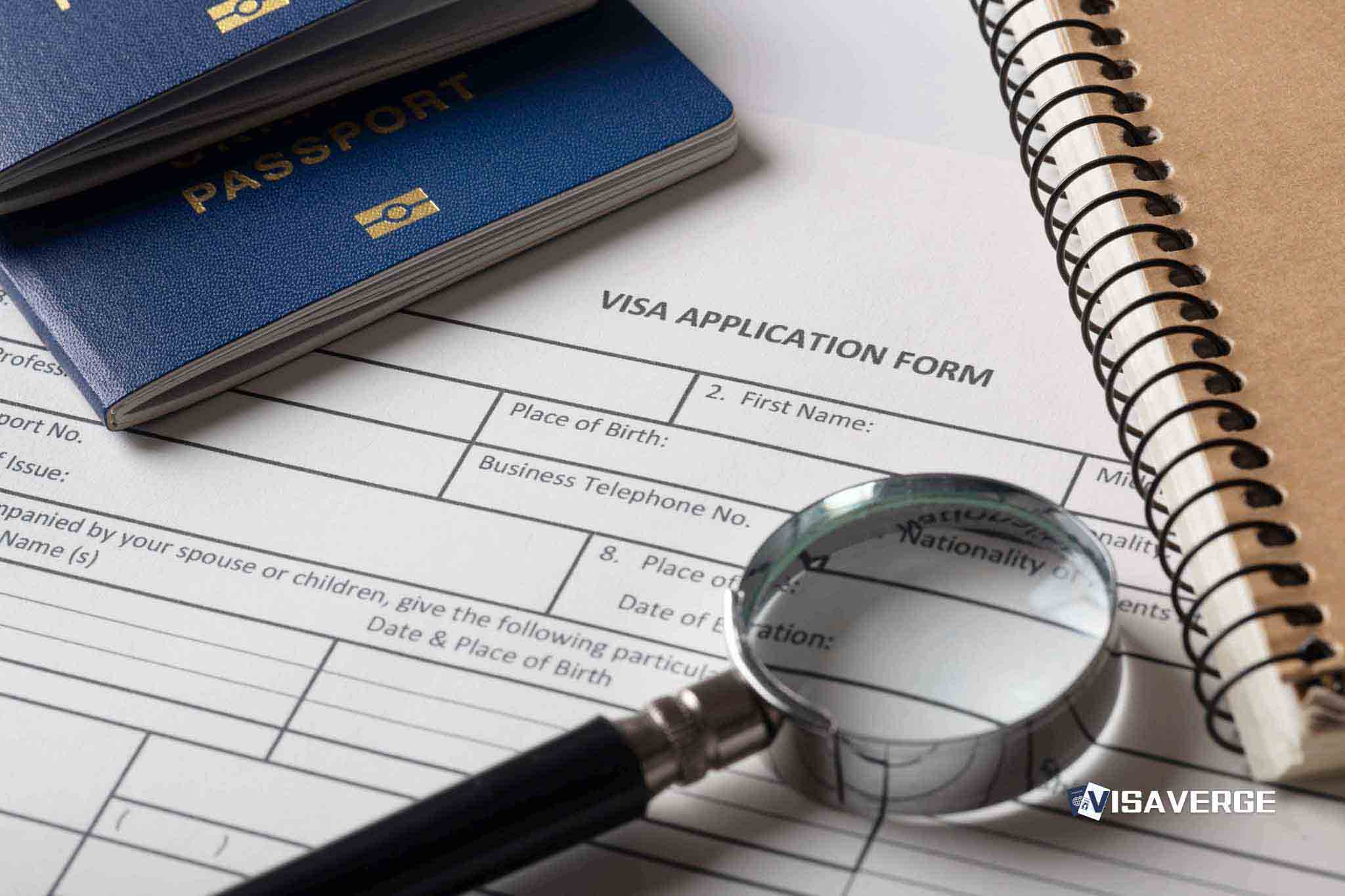
(U.S.) U.S. Passport Applications are not automatically blocked because of your name, even if your name sounds foreign or is very common. What people often call a “block” is usually extra processing by the U.S. Department of State to confirm identity or clear a database match.
For travelers, students, and immigrants who need a valid passport for visas, work travel, or consular appointments, that distinction matters. A temporary hold can feel personal, but it is normally a routine check that applies to everyone.

The State Department runs every application through standardized identity and security systems. When something does not line up perfectly, the file can move from automated handling to a manual officer review. That shift can add days or weeks, and it sometimes triggers a letter asking for more documents.
The fastest way through the system is simple: send clean paperwork, make your name history easy to follow, and answer any request quickly. This guide explains the full journey, from preparing documents to clearing additional review, with practical steps that reduce delays.
If you are renewing, the main forms are DS-82 for renewals by mail and DS-11 for first-time applicants or many replacements. Use the official instructions and fee tables at the State Department’s passport site, https://travel.state.gov/, and keep copies of everything you send. Those basics prevent many of the scary stories shared online. According to analysis by VisaVerge.com, most delays trace back to paperwork gaps, not secret lists.
Where the “Automatically Blocked” rumor comes from
Posts that claim name-based passport blocks usually start with a real delay and then add a dramatic explanation. A traveler sends a renewal, weeks pass, and the only update is “in process.” In immigrant communities, that silence lands hard, because passports connect to jobs, status, and family plans.
The viral version often says people with “foreign-sounding” names are denied without appeal. That framing leaves out how passport work is built. Most files finish through automated checks, but a smaller share gets pulled for human review. When that happens, the applicant may not get a detailed reason, because security systems are not described case by case.
Common confusions include:
- Mixing U.S. passport rules with other countries’ processes.
- Confusing passport issues with visa denials.
- Misreading court fights over gender markers as name disputes.
The result is panic and rushed decisions, like canceling trips or sending duplicate applications that slow processing even more.
Fear-driven posts also ignore the State Department’s published process. Passport specialists can suspend an application and send a letter for missing proof (for example, a marriage certificate for a name change). That is not a denial — it is a request to finish the file. Once the record matches, processing restarts.
Treat the rumor as noise, and focus on documents and deadlines instead.
The checks every applicant goes through
Every passport file is screened through identity and eligibility checks that apply to U.S. citizens, including citizens by birth. The State Department compares what you submit against prior passport records and against identity documents like birth certificates and ID.
- Automated systems handle most screening.
- When a system finds a potential match that needs a closer look, the application is routed to a manual officer review.
- Common names increase the chance of a false positive because the system matches strings and dates, not cultural origin.
Extra review can be triggered by:
- Missing or inconsistent name elements (middle name absent, spelling changes, reversed surname order).
- Listing a name change without including supporting proof.
- Legal restrictions or court orders that require confirmation.
The State Department does not typically explain internal checks item-by-item. What applicants receive is one of:
- A request for documents, or
- A status notice that processing continues, or
- Instructions for urgent travel if applicable.
A manual review is frustrating, but it remains a path to approval.
Step-by-step: from prep to pickup
Plan your passport process like a small project. Most problems show up before you seal the envelope.
- Choose the right application path
– Use DS-82 if you qualify to renew by mail.
– Use DS-11 for a first passport, a replacement, or when you cannot use DS-82.
– Expect to gather originals and copies.
- Build a clean identity package
– Put your proof of citizenship and photo ID in a single stack.
– Make sure the spelling of your name matches across records.
– If you changed your name, include the legal document that links every version.
- Submit and track
– Mail the application or apply in person as required.
– Status will usually show as received and then in process.
– Standard files move through automated checks first.
- Handle additional review fast
– If your file is pulled, you may receive a letter asking for more evidence or clarification.
– Reply with the exact items requested and include your file locator number on every page.
- Receive the passport and protect it
– When approved, you’ll get the new passport and, separately, your supporting documents.
– Check the printed name and data immediately.
– For corrections, use DS-5504 and send it promptly.
If your passport was lost or stolen, report it and apply again using DS-64 with DS-11. That situation can add review because identity must be rebuilt from scratch.
Timeframes vary, but extra review is the main reason an application drifts beyond normal service targets. Apply well before any international trip, immigration interview, or visa renewal window. For urgent travel, follow the State Department’s urgent and expedited instructions at https://travel.state.gov/ and be ready to show proof of travel.
Keep your old passport until the new one arrives.
Name consistency: the fastest way to avoid delays
Most extra processing tied to names starts with paperwork, not prejudice. The officer must be able to see a straight line from the person on the birth record to the person asking for a passport today.
Send documents that prove each change. Marriage certificates, divorce decrees, and court orders connect old and new identities in a verifiable way. If you use more than one surname style, pick one for the application and document it.
Before you file, do this quick audit:
- Compare the application name to your prior passport, birth certificate, and photo ID.
- Check spelling, spacing, hyphens, accent marks, and middle names.
- If you naturalized and your Certificate of Naturalization uses a different spelling, consider aligning your IDs before renewal.
- For children, make sure parental names and consent paperwork match the child’s documents.
When a mismatch exists, a computer can flag the file and route it for a human decision. That is where “Automatically Blocked” stories often begin.
If the State Department requests proof, answer with clear, complete copies and add a short cover note listing your names in date order. Simple timelines prevent repeat letters.
Applicants with dual nationality should also make sure their airline tickets match the U.S. passport name they will present. Mismatched tickets create airport stress even after approval.
Why passport rumors hit immigrants and visa holders hardest
A passport is more than a travel booklet. For many immigrants who are now U.S. citizens, it is the document that unlocks mobility and protects work plans. If a renewal stalls, the ripple can reach visa stamping trips for family members, employer travel, and time-sensitive consular appointments.
That is why online claims about secret lists spread fast. They speak to real fear, especially for people who have faced discrimination elsewhere. But in the passport system, the problem is usually ordinary: mismatched records, missing proof, or a database hit that needs a human to clear it.
If you receive a State Department letter, treat it like a deadline notice:
- Send the requested evidence in one package.
- Keep your mailing proof.
- Save copies for future filings.
If you need to travel while an issue is being fixed, follow the urgent travel instructions at https://travel.state.gov/ and bring your receipt and travel proof.
U.S. Passport Applications move best when your identity story is consistent and easy to verify. The system is strict, but it is not built to automatically block people because of their names.
If you spot a viral post, check it against official guidance before changing plans. Share facts, not fear, with relatives overseas who depend on your travel. Good records today also help later when you apply for Global Entry or other trusted traveler programs and when you replace documents.
Contrary to viral rumors, the U.S. State Department does not block passport applications based on name origin. Instead, inconsistent paperwork triggers manual officer reviews. Applicants should focus on maintaining a clear ‘identity line’ from birth records to current IDs. Providing legal proof for name changes, such as marriage certificates, is the best way to prevent delays and ensure smooth international travel eligibility.