


(UNITED STATES) A new proposal in Congress, called the Exclusive Citizenship Act of 2025, would force Americans with dual nationality to choose one nationality within one year or risk losing their U.S. status, drawing sharp attention from immigrant communities and constitutional lawyers across the country. The measure, introduced by Senator Marco Rubio (R‑FL), is part of a growing political push to tighten immigration rules and redefine what it means to be American in an increasingly global society.
What the bill would do
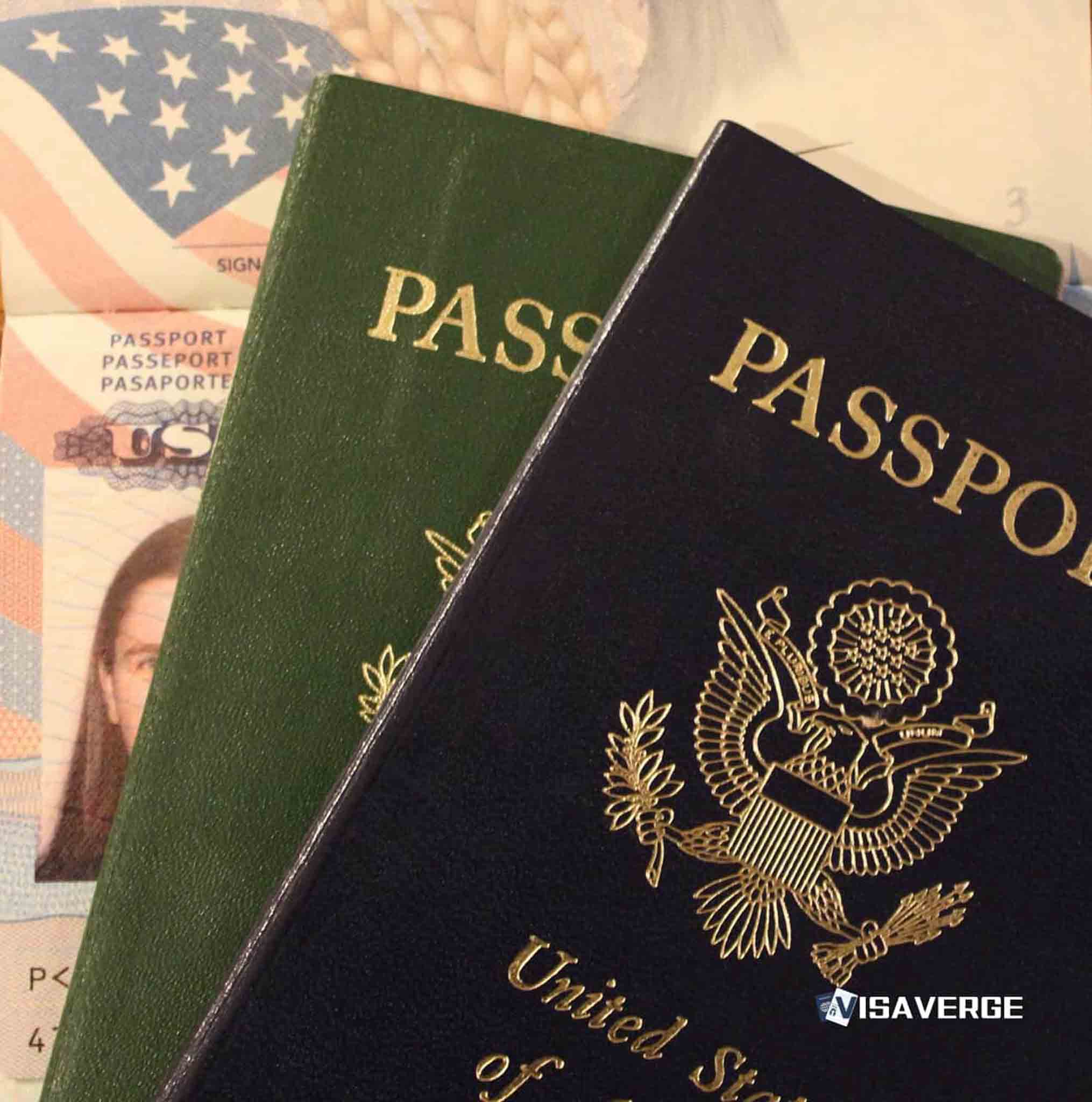
According to recent reports cited by Indica News and The National Herald, the bill would apply to all U.S. citizens who also hold another nationality, regardless of how that other nationality was obtained.
This includes:
– People born abroad to American parents.
– Immigrants who became naturalized in the United States while retaining their original nationality.
– Americans born in the United States who later claimed citizenship through a parent or grandparent overseas.
Under the main provision of the Exclusive Citizenship Act of 2025, these dual citizens would have one year from the date the law takes effect to formally renounce one of their passports. If they fail to do so within that one‑year window, they could lose their U.S. citizenship altogether.
Supporters argue this strict rule is necessary to prevent what they call “divided loyalties” amid rising security concerns and tense global politics.
Rationale from supporters
Backers contend that:
– U.S. citizens, especially those in government or security‑sensitive jobs, should have only one legal allegiance.
– Holding dual citizenship gives individuals rights and duties to more than one state, which may create conflicts.
The push to restrict dual nationality comes as debates over immigration, national identity, and foreign influence continue to influence election campaigns and public messaging in the United States.
How current policy differs
The scope of the proposal is unusually broad for U.S. law. Today, the U.S. Department of State acknowledges that many Americans hold more than one nationality and explains this on its official page on dual nationality.
The State Department currently:
– Advises dual citizens to enter and leave the country on a U.S. passport.
– Warns that other countries may treat them as their nationals as well.
The Exclusive Citizenship Act of 2025 would mark a sharp departure from this long‑standing approach by effectively forcing a single choice.
Related legislation: Disqualifying Dual Loyalty Act
Another bill now before Congress, the Disqualifying Dual Loyalty Act, would go further. Introduced in October 2025 by Congressman Randy Fine (R‑FL‑06), this separate measure would bar any person with foreign citizenship from serving in the U.S. Congress.
Key point of the bill:
– Candidates for the House or Senate would have to renounce any non‑U.S. nationality before taking office.
Randy Fine said:
“I think it’s a fair argument to say you can only swear allegiance to one country, and if you’re in Congress, that allegiance should be to America.”
His statement echoes the core idea behind the Exclusive Citizenship Act: that dual citizenship is not just a legal status but a question of loyalty and trust at the highest levels of government.
Legislative status and reactions
Both the Exclusive Citizenship Act and the Disqualifying Dual Loyalty Act are now before the House Committee on the Judiciary for review, according to Economic Times and a release from Congressman Randy Fine’s office.
- Neither bill has become law, and no vote has yet been scheduled.
- Nonetheless, the proposals have already sparked intense reactions from advocacy groups and affected communities.
Who would be affected — scope and human impact
If passed, experts say the bill would force a painful calculation for many families. Reports cited by The National Herald estimate hundreds of thousands of Americans could be affected.
Potential consequences include:
– Families where parents, children, or spouses hold different passports may have to decide whether to give up connections to their country of origin or cut formal ties to the United States and accept the loss of rights such as voting and consular protection.
– People who grew up between cultures — born abroad but raised in the U.S., or born in the U.S. with strong family ties overseas — would face emotionally fraught choices.
– Naturalized citizens who retained their original nationality because their home countries still consider them citizens would be forced to rethink past choices.
Immigration lawyers warn the proposal would reshape the meaning of naturalization and add new pressure to those who became U.S. citizens while holding another nationality.
Practical and procedural questions
The bills raise many unanswered procedural questions, including:
– How would the government track who holds another citizenship?
– What process would people follow to renounce foreign nationality?
– What enforcement mechanisms would determine loss of U.S. citizenship?
Current materials do not spell out those steps, and officials have not released detailed guidance, leaving many affected Americans waiting for answers as the debate continues.
Public opinion and advocacy responses
Public reaction is mixed.
Supporters say:
– These measures are common sense given modern threats like cyberwarfare, espionage, and foreign lobbying.
Critics argue:
– Dual citizenship alone does not prove disloyalty.
– The bills would punish law‑abiding Americans who want to preserve family and cultural links.
– There is a real danger of splitting families by law, with some members forced to give up U.S. citizenship to keep another nationality.
Immigration news outlets, including VisaVerge.com, note that even public discussion of ending dual citizenship creates anxiety for communities already under political pressure. For many, the prospect of a one‑year deadline to make such a life‑altering choice is a source of fear, despite the bills remaining in committee.
Current status and next steps
Until Congress acts, existing policy remains in place, and the State Department continues to recognize that Americans can hold more than one citizenship simultaneously.
The Exclusive Citizenship Act of 2025 and the Disqualifying Dual Loyalty Act, however, show that the future of dual citizenship is now a direct target in Washington. The next moves rest with lawmakers on the House Judiciary Committee, and observers are advised to follow congressional developments closely as the debate unfolds.
The Exclusive Citizenship Act of 2025, proposed by Senator Marco Rubio, would require U.S. citizens with another nationality to renounce one within one year or risk losing U.S. citizenship. The measure covers those born abroad, naturalized citizens, and people with inherited foreign nationality. A companion Disqualifying Dual Loyalty Act would bar foreign nationals from serving in Congress. Both bills are under review in the House Judiciary Committee, generating legal concerns and anxiety in affected communities.







I believe that Ohio Republican Sen. Bernie Moreno – not Rubio – introduced the bill.