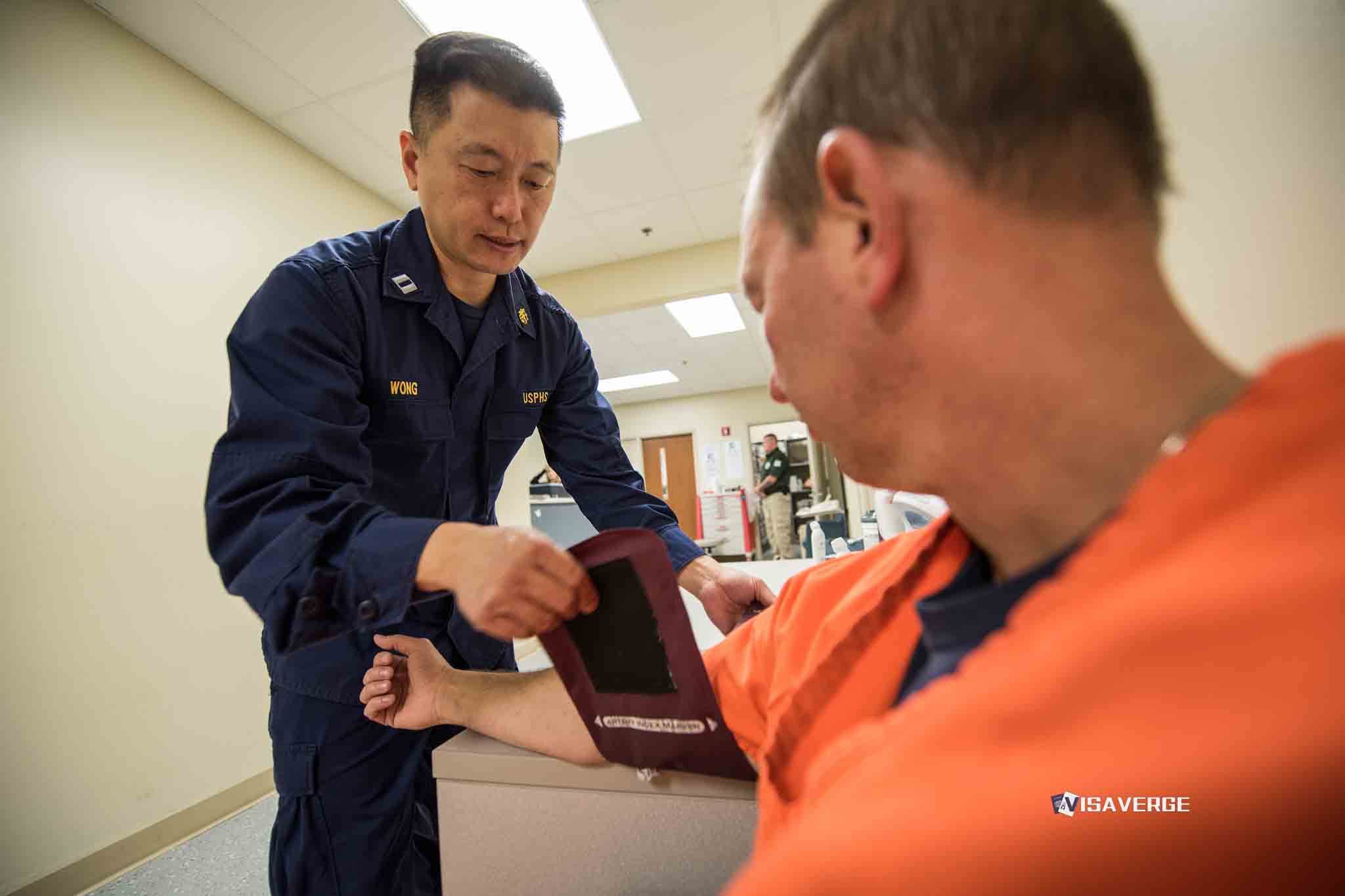
- Nebraska judges face an unprecedented wave of lawsuits from immigrants challenging their detention without bond hearings.
- Over 60 petitions were filed since September 2025, making Nebraska a national focal point for immigration litigation.
- Federal court rulings have vacated the no-bond policy, yet agency officials reportedly continue to apply mandatory detention rules.
(NEBRASKA) — Federal judges in Nebraska are handling what court watchers describe as an “unprecedented” wave of lawsuits from immigrants who say the government wrongfully detained them without a chance to seek release.
The petitions, filed as writs of habeas corpus, challenge ICE decisions that place people in mandatory immigration detention and keep them there while their removal cases proceed.
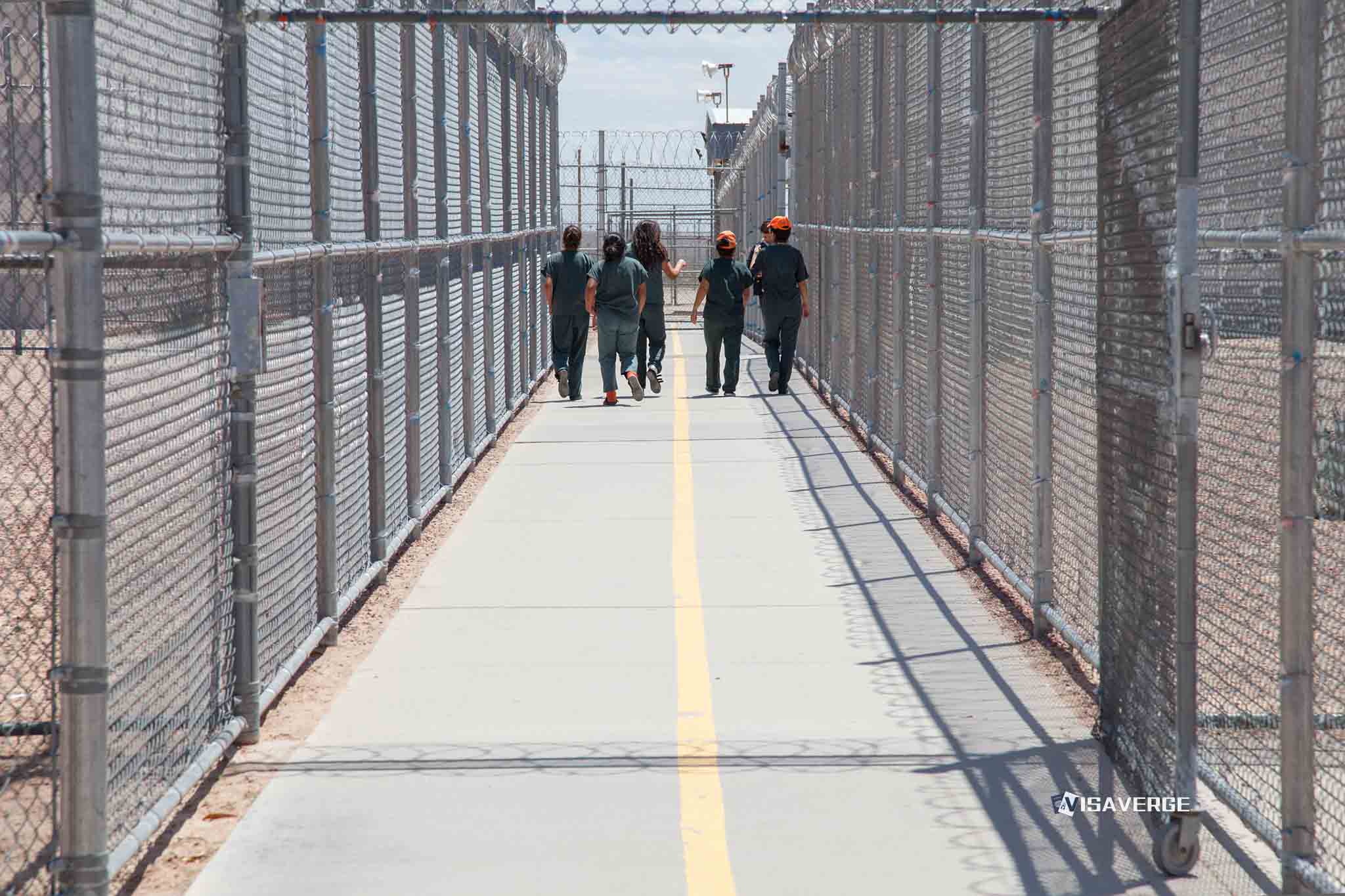
More than 60 wrongful detention petitions have been filed in Nebraska since September 2025, and 36 cases were filed in the first two months of 2026 alone.
The spike has made Nebraska a focal point because many detainees are held inside the state and must file custody challenges where they are confined, putting the dispute in the U.S. District Court for the District of Nebraska.
At the center is a fast-moving fight over how DHS and ICE classify people for detention, and whether long-resident immigrants can be treated as “arriving aliens” and held without bond hearings.
DHS has framed its posture as aggressive enforcement backed by legal authority to detain. In a January 26, 2026 press release about enforcement actions, DHS Assistant Secretary Tricia McLaughlin said, “President Trump and Secretary Noem unleashed ICE to target the worst of the worst, including national security threats. We are delivering on the American people’s mandate to make America safe again, and we’re just getting started.”
In a January 28, 2026 statement responding to allegations about access to counsel and wrongful detention, a DHS spokesperson said, “Any allegations people detained by ICE do not have access to attorneys are false. All detainees receive full due process.”
Immigrants pressing these claims in court argue that ICE wrongly placed them in mandatory detention, denied them bond hearings, and violated due process as the agency expanded its use of detention authority.
Filings and orders in Nebraska indicate an ongoing dispute over how the government applies the detention statute in individual cases, especially when detainees argue they should receive bond hearings rather than automatic confinement.
The litigation surge tracks a sequence of policy and legal triggers that began in mid-2025. Lawyers challenging detention point to a July 2025 ICE directive and a September 5, 2025 decision by the Board of Immigration Appeals, Matter of Yajure Hurtado (29 I&N Dec. 216).
That policy reclassifies long-resident immigrants who entered without inspection as “arriving aliens,” making them subject to mandatory detention under 8 U.S.C. § 1225(b) without the possibility of a bond hearing.
A major turning point came on February 18, 2026, when a federal judge in Maldonado Bautista v. Santacruz issued an enforcement order vacating the “no-bond” policy and ruling it an “unlawful” interpretation of the Immigration and Nationality Act.
Even after that order, the detention framework continued to drive petitions in Nebraska as detainees sought rapid court review of custody decisions and asked judges to order bond hearings or release.
The dispute has also surfaced inside the immigration court system. Chief Judge Teresa Riley reportedly issued an internal memo to immigration judges on January 13, 2026, directing them to continue following the mandatory detention framework, writing, “Yajure Hurtado remains binding [precedent],” notwithstanding federal court rulings that it is “no longer controlling.”
Many of the petitions involve people held at the McCook Detention Center, a state-run facility converted into an ICE detention hub in late 2025.
Nebraska’s role also reflects contracting decisions that shape where detainees are housed. The McCook facility operates under a $14 million annual contract between Nebraska and DHS, placing bed space inside the state and channeling detention challenges into Nebraska federal court.
Individual cases have put the bond-hearing fight into sharp relief, as judges in Nebraska order fast timelines that can determine whether a detainee stays locked up while litigation unfolds.
Joel Angel-Becerril, a DACA recipient, was detained for three months despite having active DACA status and no criminal convictions. He was released on February 23, 2026, after a federal judge ordered a bond hearing and DHS then moved to dismiss his deportation case.
Another order came in the case of Carlos Chang, a Guatemalan citizen living in the U.S. for 20 years. On February 10, 2026, U.S. District Judge Susan Bazis ordered ICE to provide him a bond hearing within seven days or release him, rejecting ICE’s claim of mandatory detention.
Those orders show how judges are addressing mandatory detention arguments case by case, often focusing on whether the government can keep someone confined without a bond hearing based on its classification decision.
Court operations have also shifted under the volume. All five federal district court judges in Nebraska are presiding over the cases, and the court has set specialized morning dockets to manage what has been described as a “historic high” in habeas filings.
Because habeas petitions challenge time-sensitive custody decisions, they can move faster than many other civil cases, forcing quick briefing schedules and rapid orders that affect whether detainees remain in McCook or other facilities.
The legal stakes have expanded beyond individual custody fights, with the surge described as a “constitutional crisis” tied to allegations that executive agencies are disregarding federal district court rulings to maintain a mass detention posture.
That characterization centers on the tension between immigration adjudication inside the executive branch and federal judicial review of detention through habeas, as petitioners argue that court orders require bond hearings while agency adjudicators apply detention rules in removal proceedings.
Outcomes can still turn on individual facts and procedural posture, even when detainees challenge the same detention framework, and judges have issued orders tailored to each person’s custody status and case timeline.
The records that shape these disputes span multiple systems. Coverage of these cases often cites DHS materials and press statements available through the DHS Press Room, along with immigration court and Board of Immigration Appeals decisions posted by the Justice Department at EOIR decisions.
Federal court filings and orders in the District of Nebraska provide the day-to-day account of how judges respond to detention challenges, including orders requiring bond hearings on short deadlines. Nebraska Public Media has tracked the surge in detail at Nebraska Public Media.
As petitions continue to land in Nebraska, the fight has left judges weighing urgent claims of wrongful detention against a detention posture DHS has defended as lawful, while detainees press for bond hearings that can decide whether they wait for immigration court behind bars.