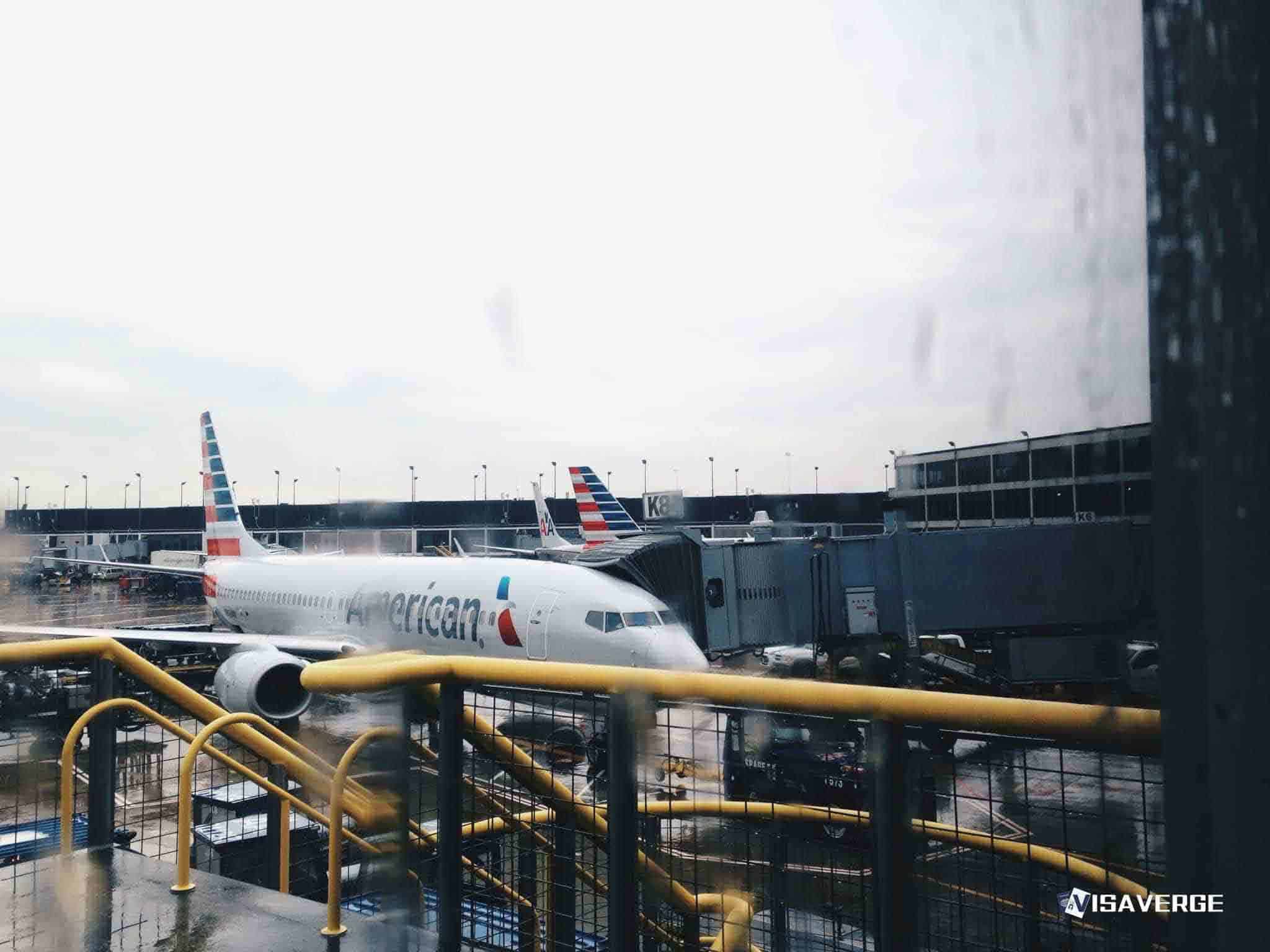
(HOUSTON, TEXAS, UNITED STATES) — A pair of departures at Houston Bush Intercontinental came within minutes of a potential catastrophe on December 18, after a wrong-way turn put two jets on converging paths just after liftoff. If you were flying out of Houston that morning, this is the kind of event that can trigger delays, gate holds, and reroutes long after the aircraft involved land safely.
The incident involved a Volaris El Salvador Airbus A320neo operating flight N3-4321 from Houston (IAH) to San Salvador (SAL) and a United Express Embraer ERJ-145 operated by CommuteAir operating flight UA-4814 from IAH to Jackson, Mississippi (JAN). Both were departing on Houston’s parallel runways 33L and 33R, a setup designed to move traffic quickly while keeping aircraft separated with carefully planned diverging turns.
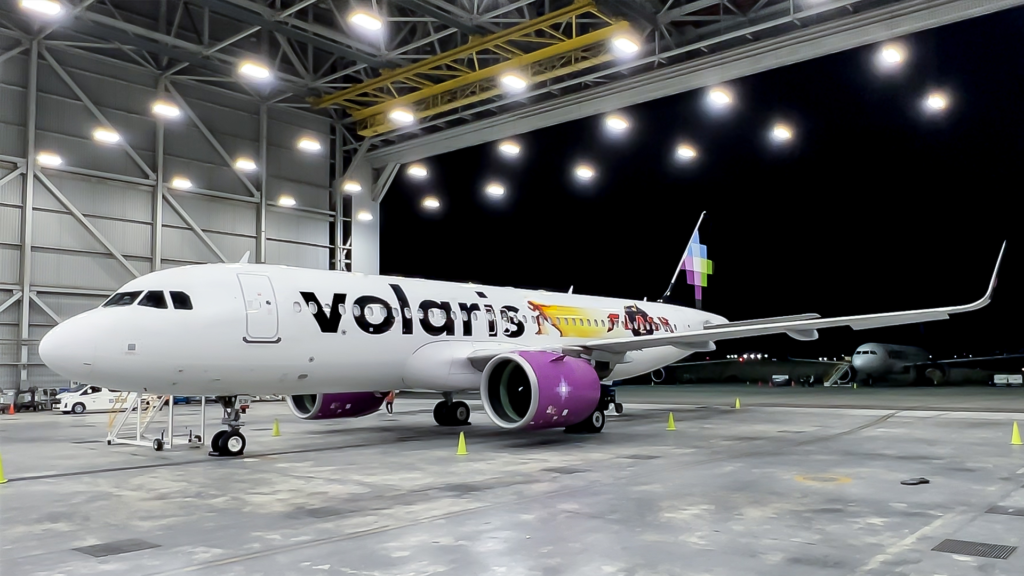
What happened near Houston after takeoff
Air traffic controllers cleared the Volaris flight for takeoff on runway 33L and instructed it to turn left to a heading of 110 degrees. The United Express flight was cleared from runway 33R and directed to turn right to heading 340 degrees. Those opposite turns are standard procedure for parallel departures at many large U.S. hubs.
Despite a correct readback, the Volaris pilots turned right instead. That turn placed the A320neo into the United Express jet’s departure path at roughly 1,200 to 1,300 feet.
At that point, the last-resort safety layer kicked in. Both planes’ Traffic Collision Avoidance Systems (TCAS) issued Resolution Advisories (RAs), directing immediate vertical maneuvers to increase separation. With the RA guidance followed, the aircraft avoided a mid-air collision. Aviation-watchers estimate the closest pass, absent the evasive response, would have been a few hundred feet vertically and about a quarter-mile laterally.
Air traffic control audio indicates the controller was briefly occupied with another clearance. After the United Express crew reported the TCAS RA, the controller responded with “stand by.”
Both flights continued to their destinations without reported injuries.
Quick reference: flights and runways involved
| Detail | Information |
|---|---|
| Airport | Houston George Bush Intercontinental (IAH) |
| Date | December 18, 2025 |
| Runways | 33L and 33R |
| Volaris flight | Volaris El Salvador N3-4321 (IAH → SAL), Airbus A320neo |
| United flight | United Express UA-4814 (IAH → JAN), CommuteAir Embraer ERJ-145 |
| Trigger | Incorrect turn after takeoff despite correct readback |
| Safety backstop | TCAS Resolution Advisories on both aircraft |
What airlines and regulators are saying
As of December 28–29, neither airline had publicly responded to media inquiries about the event. The Federal Aviation Administration (FAA) said it would address information requests on Monday, December 29.
Aviation specialists noted Houston’s occasional “long way around” departure turns. Those can exceed 180 degrees and may need clearer phrasing to reduce the chance of cockpit confusion.
Operational impacts for travelers
Near-miss events like this rarely affect your ticket directly, but they can ripple through airport operations and passenger itineraries:
- Short-term disruption
- Temporary departure slowdowns, increased spacing, and ground delays are common after serious separation events.
- That can lead to missed connections for travelers with tight schedules.
- Crew and aircraft displacement
- Extra vectoring or holding can affect downstream schedules, especially late in the day.
- Customer service strain
- When the system backs up at a hub, rebooking lines and phone hold times increase quickly.
Houston is a major connecting point for United and also handles heavy low-cost and international traffic. When parallel runway flows are constrained, multiple airlines can feel the effects—not just those directly involved.
⚠️ Heads Up: If you connect in Houston, a 35-minute “legal” connection can still be a bad bet during irregular operations. Book a longer buffer when you can.
Mileage and loyalty: protecting your earnings
This incident doesn’t change published earning rules, but disruptions can affect how—and whether—you get credit.
If you were rerouted or reaccommodated after delays in Houston:
Save boarding passes and receipts if rerouted; check mileage postings after disruptions, as rebooking can change fare buckets. If miles don’t post correctly, file a retro-credit request promptly.
- Save your boarding passes and receipt emails. These are essential for mileage disputes.
- Check your posting category. Rebookings can move you into a different fare bucket, especially on partner or interline tickets.
- United MileagePlus flyers: If reprotected onto another United flight, earnings usually follow the flown segments. If something posts incorrectly, file a retro-credit request promptly.
- Volaris travelers: If booked through an online travel agency, keep screenshots of the original itinerary to aid mileage dispute resolution.
Why parallel runways are a pressure point
Parallel-runway departures are routine at major U.S. airports—Atlanta, Dallas/Fort Worth, Los Angeles, and Houston among them. The tradeoff is simple:
- Benefit: High capacity and efficient flows.
- Risk: Very little margin for heading errors at low altitude.
That’s precisely where TCAS becomes critical: pilots have seconds, not minutes, to respond to an imminent conflict.
What to do if you’re flying IAH this week
- Turn on push alerts in your airline app for gate changes and departure updates.
- Watch your flight status closely in the 24 hours before travel.
- If connecting through New Year travel, give yourself extra time and choose seats that help you move quickly on arrival.
- If the FAA releases findings or procedural changes after December 29, check your departure notes for any runway or routing adjustments before you head to the airport.
A Volaris El Salvador jet and a United Express flight experienced a serious near-miss at Houston Bush Intercontinental Airport. After a pilot navigation error led to converging flight paths, onboard TCAS technology successfully directed evasive maneuvers. The FAA is currently investigating the communication and procedural failures that occurred. Travelers at Houston may face minor operational ripples and should monitor their flight statuses and mileage credits closely.