(WASHINGTON, D.C.) Most immigrants swept up in President Trump’s 2025 D.C. crackdown were picked up despite having no criminal records, according to federal data from mid-2025 that undercuts repeated claims that stepped-up enforcement in the nation’s capital was focused on “criminal aliens.” The figures show that only about 30% of those detained in the area had prior criminal convictions, while non-criminal arrests surged dramatically as Immigration and Customs Enforcement expanded operations across the region.
Scope of the arrests and what the data shows
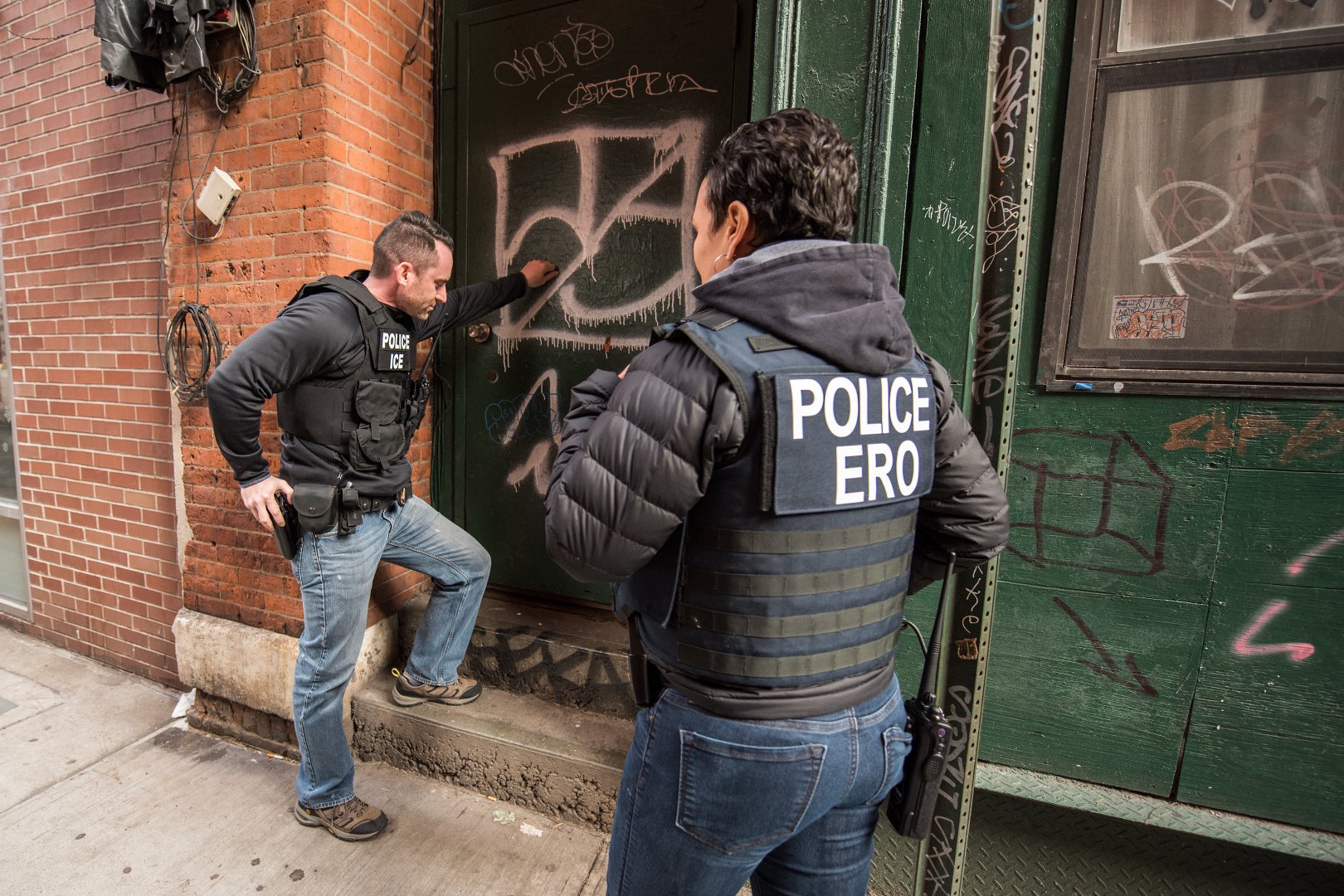
The data, analyzed by researchers and immigrant advocates, paints a picture of a broad enforcement dragnet rather than a targeted crime-control effort.
- Around 27% of people detained in connection with the D.C. crackdown had only pending charges, not convictions, at the time they were taken into custody.
- Only 8.5% of those with any criminal record were tied to violent offenses — a very small slice of the total population held in ICE custody under the initiative.
The way those numbers are counted also matters. TRAC Reports, a research group that tracks immigration enforcement, noted that people with only pending charges are no longer counted as having a criminal record in federal statistics. That change makes the pattern even clearer: the majority of ICE arrests in the Washington region in 2025 involved people who either had no charges at all or whose cases had not yet been resolved in court.
According to analysis by VisaVerge.com, this shift confirms that the government’s focus had moved well beyond people with proven criminal histories.
Key takeaway: the bulk of arrests in the D.C. crackdown were of people without convictions — many had no charges or only pending charges.
Political pressure and operational changes
Behind the scenes, pressure from political allies helped drive the rise in ICE arrests.
- Officials including South Dakota Governor Kristi Noem and former White House adviser Stephen Miller pushed ICE leadership to dramatically increase daily detention numbers, aiming for 3,000 arrests per day nationwide.
- Those marching orders included expanding warrantless arrests and taking in so-called “collaterals” — people who were not original targets but happened to be present when agents carried out operations (roommates, relatives, co-workers encountered during home or workplace checks).
The impact of that pressure became visible in the nation’s capital after April 2025, when enforcement activity sharply increased. Federal data shows that in the Washington area, non-criminal arrests jumped by more than 800% after that point.
In practice, that meant more long-term residents with clean records suddenly faced detention and the threat of deportation, sometimes after years of living quietly in the United States 🇺🇸. For many families, a knock on the door for one person quickly turned into multiple arrests in the same household.
Changes in detention and monitoring
Nationwide, the enforcement push reshaped detention numbers in a matter of weeks.
- By mid-March 2025, ICE was holding over 46,000 people in custody, up from 41,000 at the start of the year — an increase of more than 5,000 detainees in a short period.
Advocates say many of those added to the rolls under the D.C. crackdown and similar efforts elsewhere did not fit the image of dangerous criminals that the administration often highlighted.
In the capital region, ICE did not rely on jail cells alone. The Washington, D.C. field office sharply increased its use of ankle monitors, electronic tracking devices that allow the agency to keep tabs on people while they remain in the community.
- The number of people monitored with ankle monitors jumped from 795 in May to 2,339 by late July 2025, nearly tripling in just a couple of months.
For those forced to wear them, the devices served as a constant reminder that they could be detained again at any time, even if they had never been convicted of a crime.
Civil liberties concerns
Civil liberties groups argue that this mix of detention and intensive electronic monitoring blurs the line between criminal punishment and civil immigration enforcement.
- Immigration violations are civil, not criminal, so people held by ICE do not have the same rights to public defenders as defendants in criminal court.
- Yet they can still spend months in detention or under strict surveillance while they fight their cases, often with limited legal help.
Information from U.S. Immigration and Customs Enforcement confirms that the agency has wide discretion to decide who to detain, who to release, and which supervision tools to use.
Supporters’ arguments and critics’ responses
Supporters of tougher enforcement say higher arrest numbers show the system is working as intended.
- They argue anyone in the country without legal status is subject to removal.
- They say broader enforcement sends a strong signal to would-be migrants.
But critics counter that the 2025 D.C. crackdown went far beyond public safety goals, sweeping in parents, workers, and long-term residents whose only issue was their immigration status.
- They warn that broad non-criminal arrests can drive victims and witnesses away from local police, because people fear any contact with authorities could lead to ICE involvement.
Community impact and legal knock-on effects
Lawyers in the Washington region report many clients detained during this period had deep ties to local communities.
- Many detainees had U.S.-citizen children, steady jobs, and no prior contact with law enforcement.
- For these families, a single enforcement action could mean the sudden loss of a breadwinner, skipped rent or mortgage payments, and children left in the care of relatives or neighbors.
Those ripple effects rarely show up in official detention statistics but shape how communities experience federal policy on the ground.
Resource questions and the central debate
The new data has also raised questions about how resources are used.
- With tens of thousands of people in custody and more under ankle monitoring, advocates say ICE is spending heavily to target people who do not match the administration’s public messaging about criminals.
- The fact that only about 30% of those detained in the D.C. area had criminal convictions — and that just 8.5% of those involved violent offenses — is central to the debate over whether these tactics are justified or sustainable.
For many in the capital, the numbers confirm what they felt during raids and arrests in 2025: the crackdown appeared to be aimed less at crime and more at presence alone.
Federal mid-2025 figures reveal most detainees in the D.C. enforcement push lacked criminal convictions: roughly 30% had convictions, 27% faced pending charges, and only 8.5% of those with records were linked to violent crimes. Political pressure to increase daily arrests and expand warrantless, collateral arrests coincided with an over 800% rise in non-criminal arrests. ICE custody rose above 46,000 and ankle monitor use nearly tripled, prompting civil liberties and resource debates.