(MINNESOTA) — Minnesota, Minneapolis and St. Paul sued the Department of Homeland Security (DHS) on Monday to block “Operation Metro Surge,” a 30-day federal push that has brought roughly 2,000 additional immigration and law enforcement agents to the Twin Cities.
the lawsuit, filed as of January 12, 2026, asks a federal court to halt or limit the operation, a move that would quickly affect how aggressively federal agents can conduct arrests, interviews and related enforcement actions across the region.
Federal framing and official statements
dhs secretary kristi noem framed the crackdown as a public safety and fraud effort, writing on January 7, 2026: “DHS has surged law enforcement to minneapolis and has already arrested more than 1,500 crooks and creeps: murderers, rapists, pedophiles, and gang members. [.] @POTUS Trump and @Sec_Noem have rallied DHS law enforcement personnel to keep Americans safe and ERADICATE fraud.”
Federal officials have also linked the surge to a broader fraud campaign, including USCIS activity in Minnesota, and described the operation as part of a “war on fraud” and a public safety push.
USCIS Director Joseph B. Edlow said on January 7, 2026: “USCIS is declaring an all-out war on immigration fraud. We will relentlessly pursue everyone involved in undermining the integrity of our immigration system and laws. Under President Trump, we will leave no stone unturned.”
USCIS spokesperson Matthew Tragesser said the same day: “Minnesota is ground zero for the war on fraud. USCIS’ show of force in Minnesota demonstrates that USCIS will not stand idly by as the U.S. immigration system is weaponized by those seeking to defraud the American people. American citizens first, always.”
Allegations, legal claims and the lawsuit
Minnesota Attorney General Keith Ellison’s lawsuit alleges the surge is “arbitrary and capricious” and amounts to political retaliation against a “sanctuary” state, putting a constitutional fight over immigration enforcement and state sovereignty in front of a federal judge.
The suit raises First Amendment concerns, arguing federal agents are targeting individuals based on political speech and associations, including those protesting the administration’s policies. Such claims generally turn on whether government action is alleged to punish protected speech or association, rather than enforce laws neutrally.
The suit also alleges federal officials are blocking state-level investigations into the fatal shooting of Renee Nicole Good, with local authorities including the Minnesota Bureau of Criminal Apprehension (BCA) complaining of interference.
The shooting of Renee Nicole Good and related accounts
Operation Metro Surge drew heightened scrutiny after the fatal shooting of Renee Nicole Good by an ICE officer, an incident that became a central point of political and legal conflict as Minnesota moved to court.
On January 9, 2026, DHS spokesperson Tricia McLaughlin addressed the shooting in a media briefing, saying an agent fired a “defensive shot” after a driver “weaponized his vehicle and attempted to run over the law enforcement agents.”
The shooting has become a focal point for accountability debates because it intersects with jurisdictional questions, access to evidence and how federal and state authorities coordinate after a death involving a federal officer. McLaughlin’s account described a “defensive shot,” while Minnesota officials have made obstruction claims in court filings.
Scope of the operation and enforcement activity
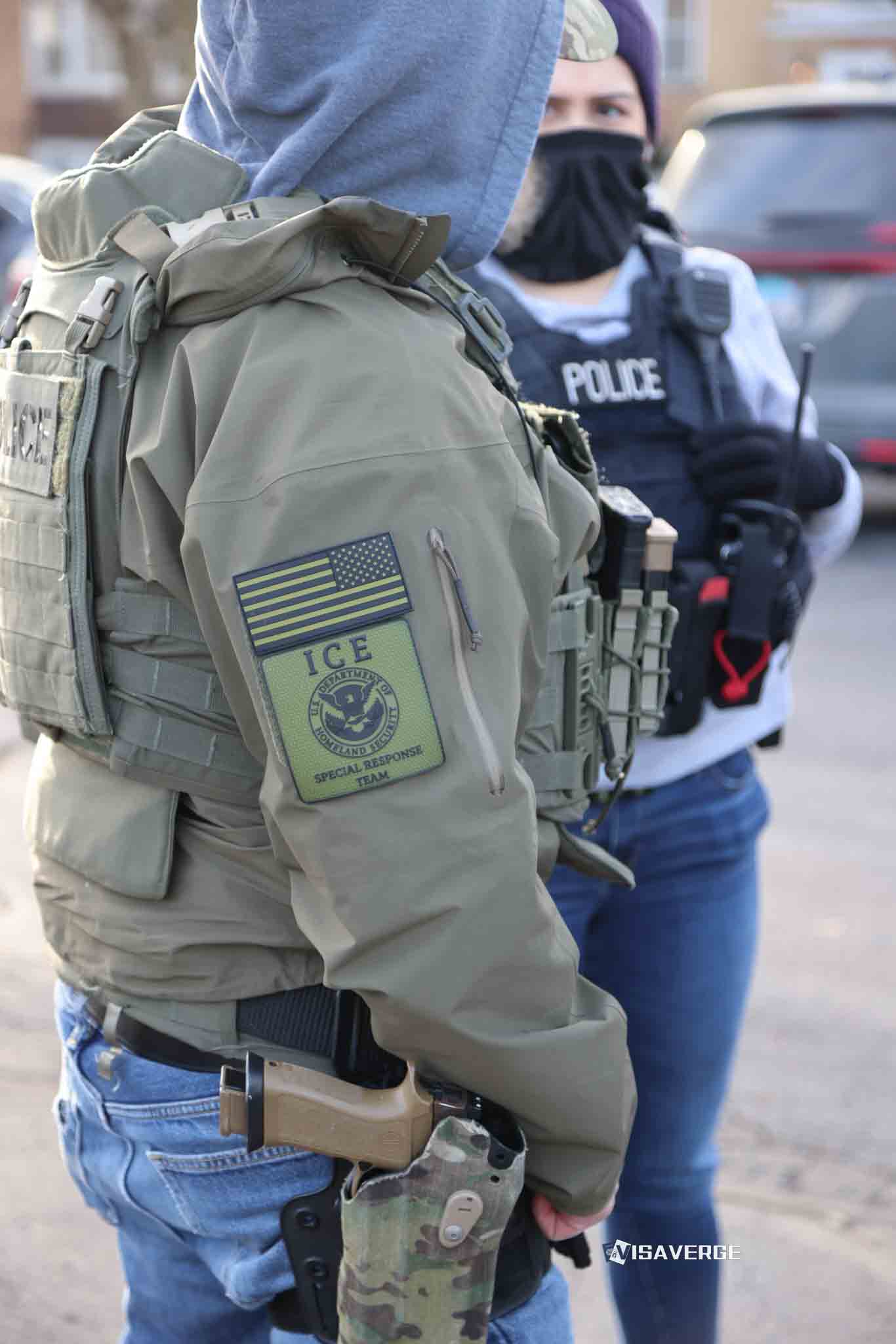
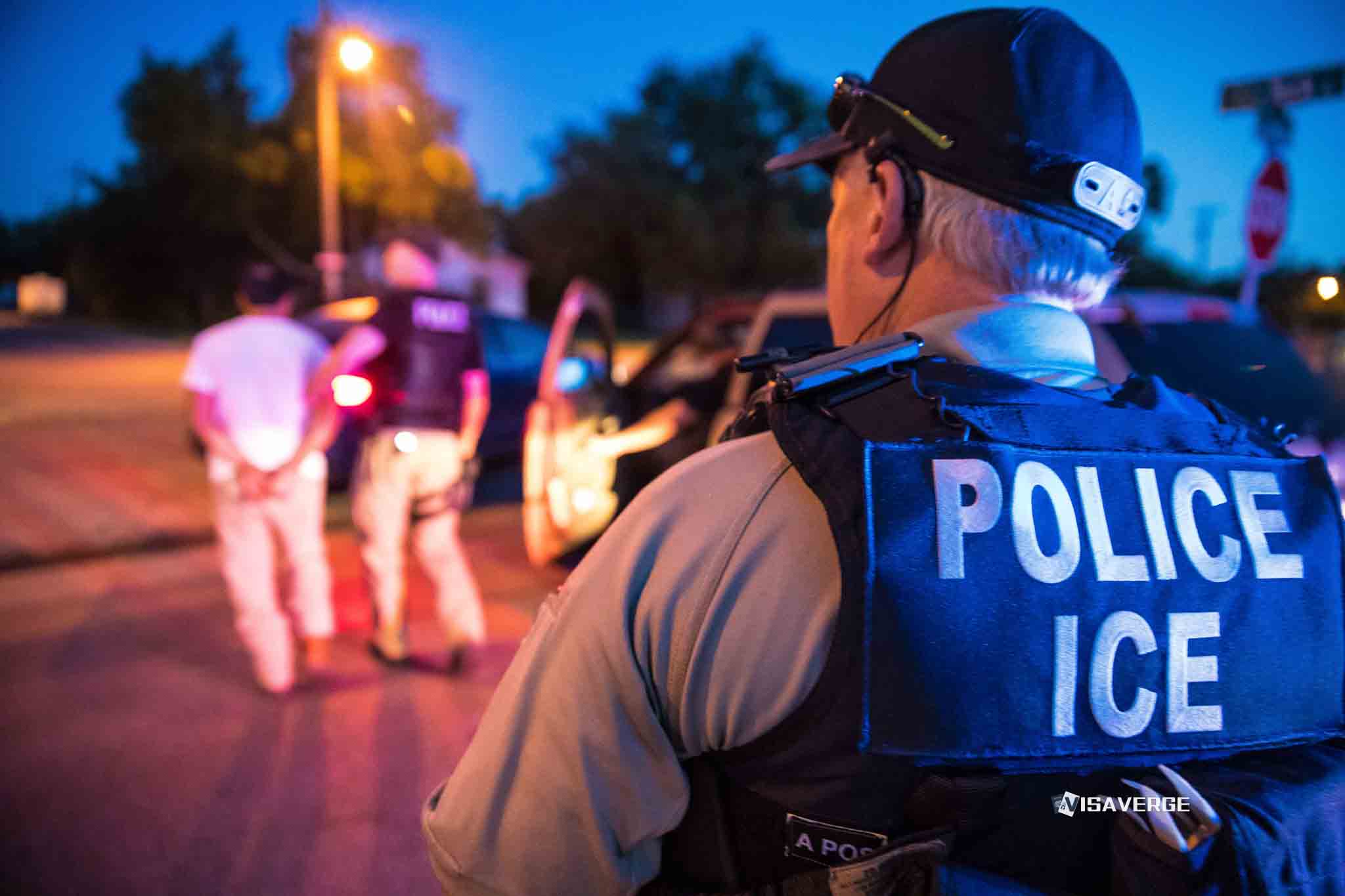
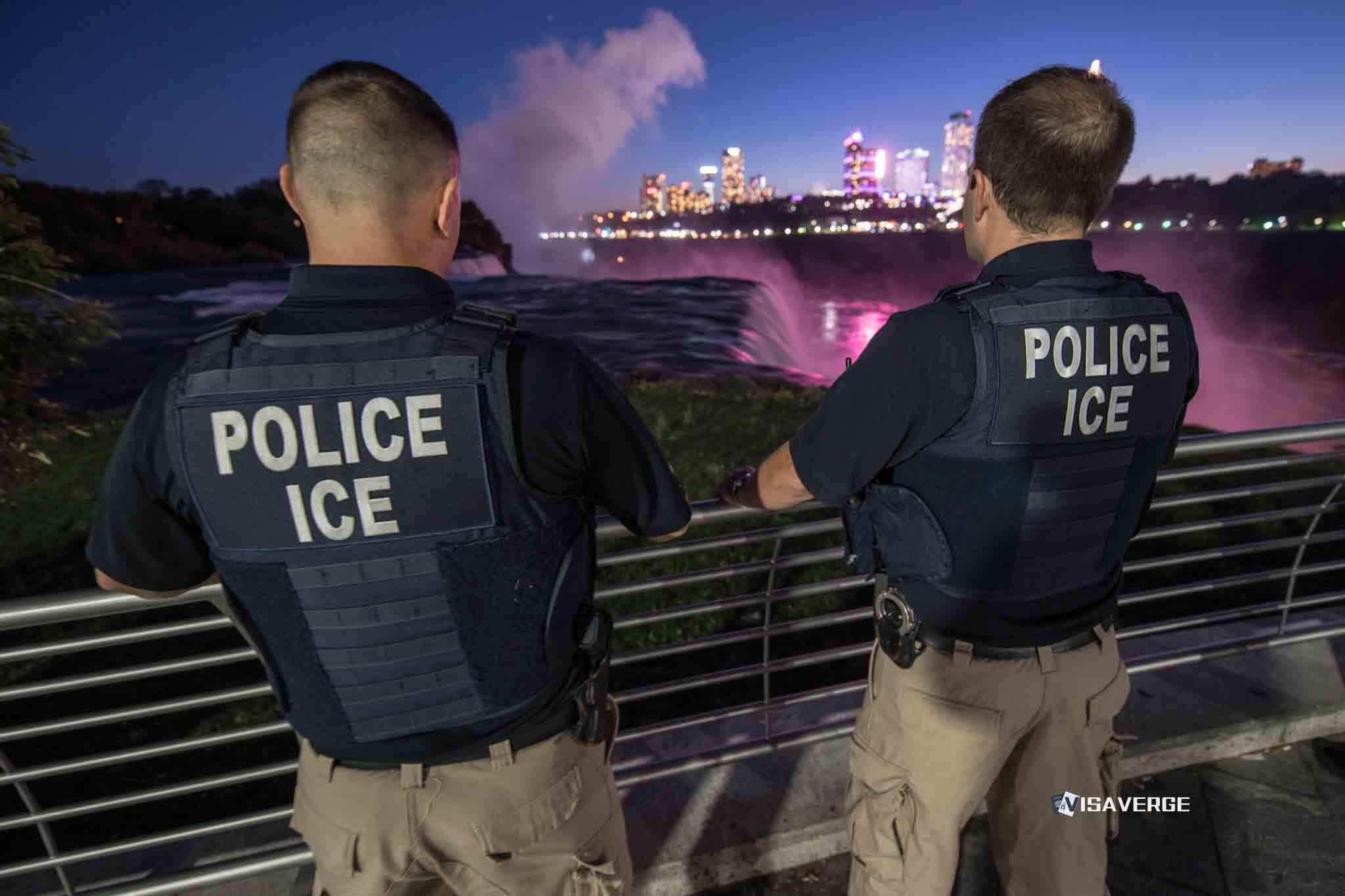
Operation Metro Surge is described in the case and federal statements as a major enforcement escalation that adds staffing and intensifies federal activity. The operation involves ICE, HSI and CBP, with roughly 2,000 additional federal agents deployed to the Twin Cities for 30 days.
- ICE
- HSI
- CBP
ICE has called it its “largest enforcement operation ever,” a characterization that underscores the scale of the Minnesota deployment and helps explain the legal and political conflict now playing out.
DHS has pointed to arrests as evidence the surge is producing results. As of January 7, 2026, DHS claimed to have made over 2,000 arrests in the region since the surge began, including 150 in a single day on January 5.
Those figures, as presented by DHS, describe arrests rather than convictions. The statistics do not, on their own, resolve what criminal charges were filed in individual cases, what immigration proceedings may follow, or how many people may be held under immigration authority rather than in a state criminal process.
USCIS, refugees and Operation PARRIS
A second enforcement track tied to Minnesota has focused on refugees and status reviews through USCIS. Operation PARRIS, launched in mid-December 2025, stands for “Post-Admission Refugee Reverification and Integrity Strengthening,” and aims to re-examine the legal status of approximately 5,600 refugees in Minnesota.
The PARRIS effort, described in connection with USCIS’s fraud messaging, raises a different set of concerns for refugees and legal residents: a status review or re-interview can involve renewed scrutiny of prior applications and admissions, potentially triggering administrative immigration consequences even without a separate criminal prosecution.
Fraud claims and competing narratives
Federal officials have justified the broader crackdown by citing a purported $9 billion fraud scheme involving state-run social service programs, including child care and nutrition, while state officials argue federal agents lack the expertise to investigate those specific state programs.
The legal dispute reflects competing narratives about public safety and community stability. Federal officials emphasize deterrence, fraud enforcement and public safety outcomes, while state and local officials argue the surge is harming coordination, sowing fear and undermining trust.
Community impacts and on-the-ground effects
Community impacts described alongside the operation include residents reporting a climate of fear, with “sirens and helicopters” constant in some neighborhoods. The surge has also led to clashes between masked federal agents and whistle-blowing bystanders, according to the account presented with the lawsuit’s broader claims about disruption.
Operation Metro Surge also creates practical ripple effects beyond the arrest tally, particularly for mixed-status families, refugees and employers trying to determine what heightened enforcement means day to day.
During a surge, residents may encounter more stops, more questioning and a greater likelihood that routine encounters can escalate into detention or administrative processing, even when the underlying issue is alleged fraud rather than violent crime. The federal government’s public framing has emphasized serious criminality, while the state’s legal claims focus on boundaries and harms.
Refugees and other beneficiaries facing re-interviews or status reviews under PARRIS may confront document requests and questions about prior filings and admissions. The process can be stressful and disruptive, and the outcome can carry immigration consequences, including the possibility of removal, as described in the account of “re-interviews” and potential deportation.
For local communities, the lawsuit claims the surge has disrupted local law enforcement’s ability to maintain public order and strained relations between the community and state police, a concern that can affect how residents report crimes or cooperate with investigations.
Legal stakes and judicial considerations
Emergency requests to block a federal operation typically seek rapid court intervention that can stop actions while a case proceeds, with judges weighing whether plaintiffs show immediate harm and whether the balance of equities and public interest supports short-term relief.
Court fights over emergency relief can turn on tangible harms, including whether a surge is alleged to chill speech, destabilize communities or interfere with state investigations. Judges can also consider the federal government’s asserted interest in enforcing immigration law and addressing fraud, especially when officials frame actions as necessary for public safety.
Where to find authoritative information
For immigrants and refugees trying to make sense of the fast-moving situation, the most reliable updates generally come from primary documents and official channels rather than viral posts.
DHS publishes press releases and statements through its news pages, while USCIS posts updates through its newsroom, including announcements tied to fraud enforcement and operational initiatives.
Minnesota’s legal position and next court steps can be tracked through statements and filings from the Minnesota Attorney General Office, and federal litigation responses often surface through the U.S. Department of Justice.
Readers seeking authoritative information can consult DHS Press Releases, the USCIS Newsroom, the Minnesota Attorney General Office, and the U.S. Department of Justice as the case develops and as any court orders affecting Operation Metro Surge are issued.
Minnesota authorities are suing the Department of Homeland Security to stop ‘Operation Metro Surge,’ a massive deployment of 2,000 federal agents. Federal officials defend the surge as a necessary ‘war on fraud’ targeting criminal elements. However, state officials allege the operation is political retaliation that causes community fear, obstructs local police investigations, and violates constitutional rights, particularly following a fatal shooting involving a federal officer.