(MINNESOTA) Reports that more ICE detainees are being moved out of Minnesota this year remain unproven, even as local leaders and Somali community members say they are seeing a sharp rise in federal immigration activity inside the state. That activity includes enforcement sweeps in the Twin Cities and renewed talk of building or repurposing detention space in Minnesota.
What the public reporting shows (through December 2025)
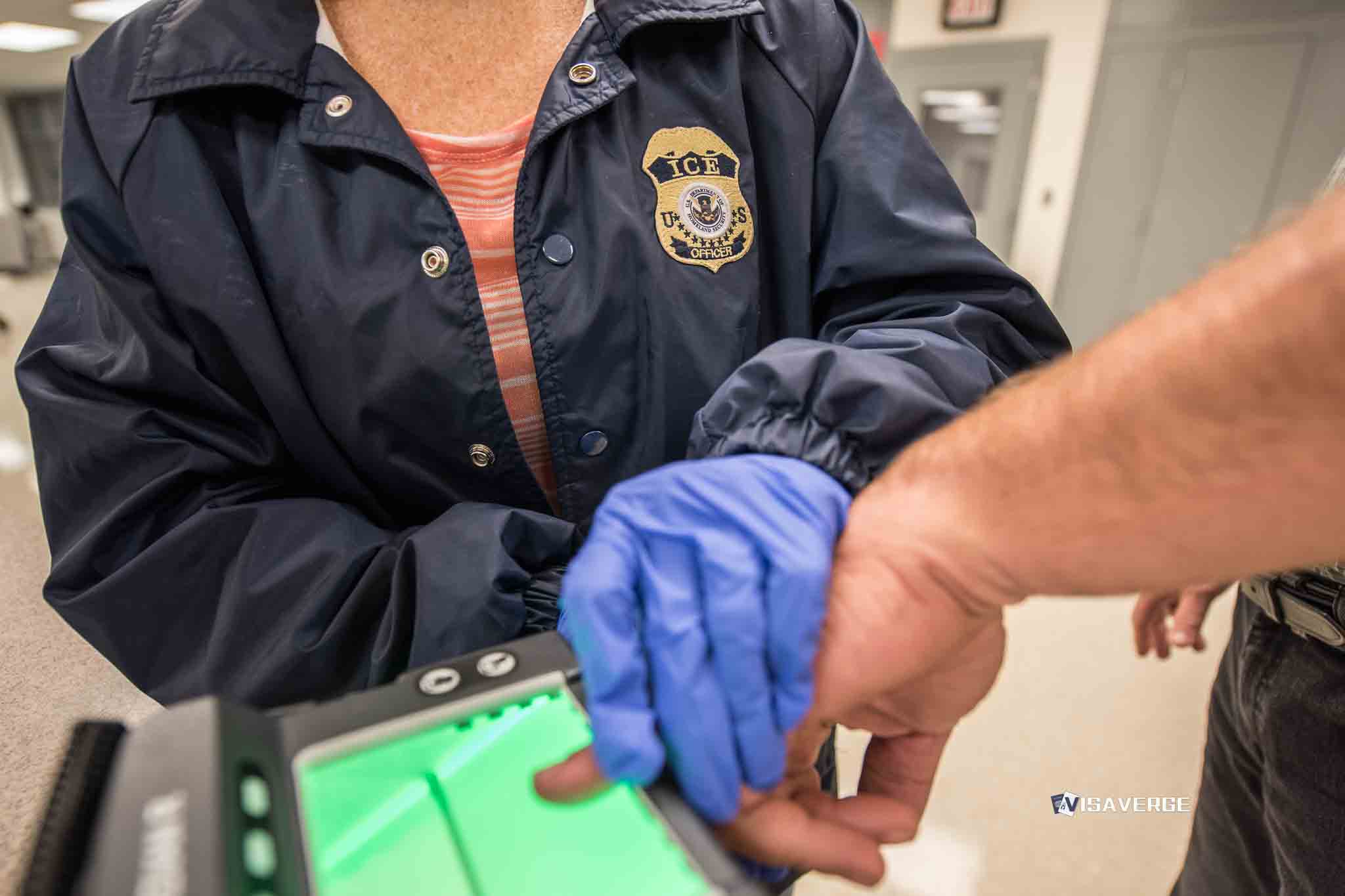
Available public reporting through December 2025 does not confirm a clear increase in transfers of people from Minnesota to detention sites in other states. Instead, the clearest pattern in the reporting is an expanded ICE presence on the ground in Minnesota.
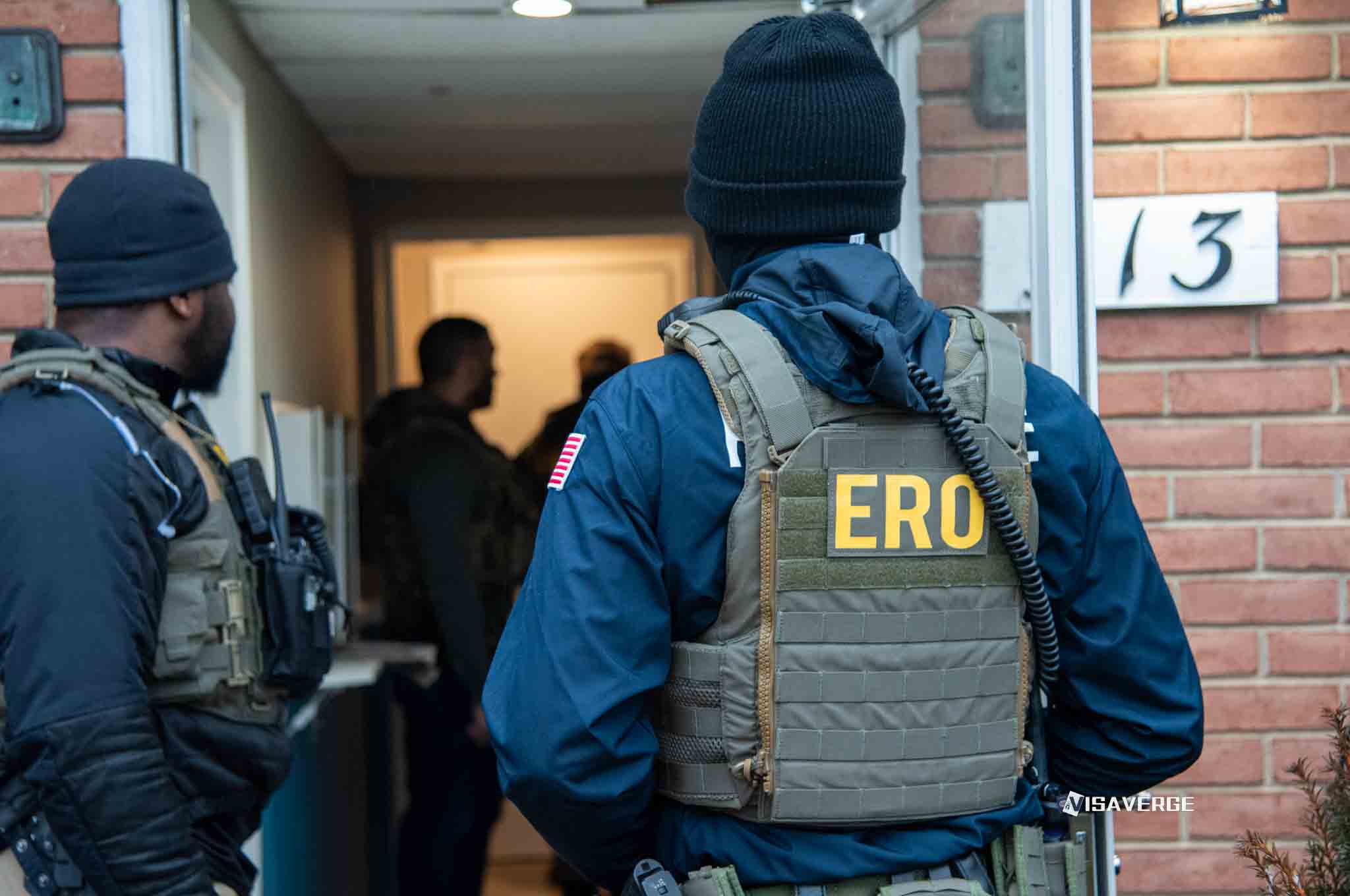
- Multiple law enforcement officials told ABC News that an influx of ICE agents arrived in Minnesota this week with operations aimed at Somali immigrants, amid allegations of fraud tied to tax dollars being funneled to Al-Shabaab.
- The reporting focuses on in‑state enforcement and on possible new Minnesota detention capacity, rather than on measured increases in outbound transfers.
Local reaction and community impact
The timing and scale of enforcement actions have rattled families across the Twin Cities, community leaders said. Parents described weighing daily risks that most residents never have to calculate.
“We are neighbors. We are workers. We contribute into this community,” Eid Ali, a Somali community leader, said, describing fearful calls from people asking whether they should send children to school or even go grocery shopping.
- Mayors’ responses: Minneapolis Mayor Jacob Frey and St. Paul Mayor Melvin Carter condemned the operations and said they would not compromise their cities’ values toward immigrant communities.
- Governor’s response: Gov. Tim Walz predicted a visible rise in federal activity and criticized the White House, saying, “My expectation is today we will probably see an increased presence of immigration folks in our city.”
Local leaders can publicly denounce tactics they see as harmful, but they do not control federal immigration arrests, detention decisions, or facility placements.
The question of transfers vs. local detentions
For families, fear escalates because arrests can lead to transfers far from where someone was picked up. In many cases nationwide, ICE detainees are moved within days depending on bed space and contracts with jails or private facilities.
- On the specific question—are more people being relocated out of Minnesota in 2025?—the documentation is thin.
- The source material explicitly notes that “no verified data confirms” a rise in relocations outside Minnesota this year.
- To get exact transfer numbers, the reporting says, would require Freedom of Information Act (FOIA) requests or official ICE releases.
Why verified data matters
Lack of verified data shapes public perception. Claims about widespread transfers can spread quickly and fuel panic.
- Without case‑by‑case tracking, families often piece together information from:
- Phone calls
- Attorneys
- Online searches
- Sometimes loved ones only learn a person has been moved when they can no longer visit or easily communicate.
Practical tools for families
Practical resources can be lifelines. The federal detainee locator is one such tool, though it has limits.
- Official ICE detainee locator: ICE Detainee Locator
- Depends on correct spelling and biographical details.
- May not show everyone immediately after an arrest.
- Advocates warn it can lag, especially in the first hours.
Common legal and community recommendations include:
- Keep key phone numbers handy.
- Make a child-care plan if a parent is detained.
- Consult qualified legal counsel quickly — immigration cases can move fast once someone is in custody.
Possible expansion of detention capacity in Minnesota
Beyond enforcement actions, reporting from August 2025 raised questions about detention capacity in the state.
- Two separate reports indicated consideration of expanded detention space in Minnesota:
- One report said a Minnesota prison was being considered for conversion into an ICE detention facility.
- Another indicated ICE had eyed a site in western Minnesota for a new detention center (the source corrected earlier wording that mistakenly pointed to eastern Minnesota).
These were reported as considerations, not confirmed projects. The implications differ depending on how capacity is used:
- If Minnesota adds beds, it could mean more people held closer to home.
- Alternatively, Minnesota could become a hub that holds people from other places, depending on federal contracting and enforcement patterns.
Either way, proposals for detention capacity have immediate effects on immigrant communities, because even talk of new facilities signals a policy direction that can feel permanent.
The role of security narratives and community fear
The allegations tied to ICE activity—claims of fraud connected to Al-Shabaab—add another layer of worry for Somali Minnesotans.
- Many residents fear being treated as targets because of:
- Country of birth
- Language
- Religious practice
- This is true even for people who have lived in the U.S. for decades and have deep roots in Minnesota.
According to analysis by VisaVerge.com, spikes in enforcement activity often trigger two immediate problems:
- Families avoid public spaces.
- People miss legal deadlines because they fear going to appointments, courthouses, or routine check‑ins.
Local officials can try to calm fears by sharing reliable information and urging residents to know their rights, but those messages can be drowned out when neighbors see federal agents in the area.
City responses and advice
- Minneapolis has shared immigrant‑rights information during the operations as city leaders responded in real time.
- Lawyers and community groups commonly advise families to:
- Keep important contacts and documents accessible
- Prepare a plan for childcare and household needs
- Seek prompt legal representation
Bottom line
What the available reporting shows is a concentration of federal activity in Minnesota, not a verified wave of out‑of‑state relocations in 2025. The mayors’ statements, Gov. Walz’s warnings, and Eid Ali’s accounts all point to the same central fact:
- Somali immigrants in Minnesota are feeling the immediate impact of increased federal immigration enforcement close to home, whether or not relocation numbers ever confirm the rumors that more ICE detainees are being moved elsewhere this year.
Reporting through December 2025 shows a concentration of ICE activity in Minnesota—particularly operations targeting Somali communities—but no verified increase in transfers out of state. Local leaders and community members expressed alarm as reports also mentioned possible expansion of detention capacity. Public sources emphasize that confirmed transfer numbers are unavailable without FOIA requests or official ICE disclosures. Families are urged to keep legal contacts, use the detainee locator carefully, and seek counsel quickly if someone is detained.