- ICE arrested over 3,100 people in Michigan during 2025, nearly tripling the previous year’s total volume.
- Approximately 65% of those arrested had no criminal convictions, despite official claims focusing on serious offenders.
- Operations like ‘Angel’s Honor’ targeted individuals in community settings such as homes and daily travel routes.
(MICHIGAN) — U.S. immigration and customs enforcement arrested over 2,300 individuals in Michigan over the past year, official reports released on January 11, 2026 showed, as residents and local advocates described a rise in community arrests that has reached teens at home and a father getting coffee.
The same reports and news accounts linked the arrests to enforcement activity connected to the Detroit ICE Field Office, which is responsible for Michigan and Ohio, and to a series of late 2025 and early 2026 operations that focused on people ICE described as “at-large” in the community.
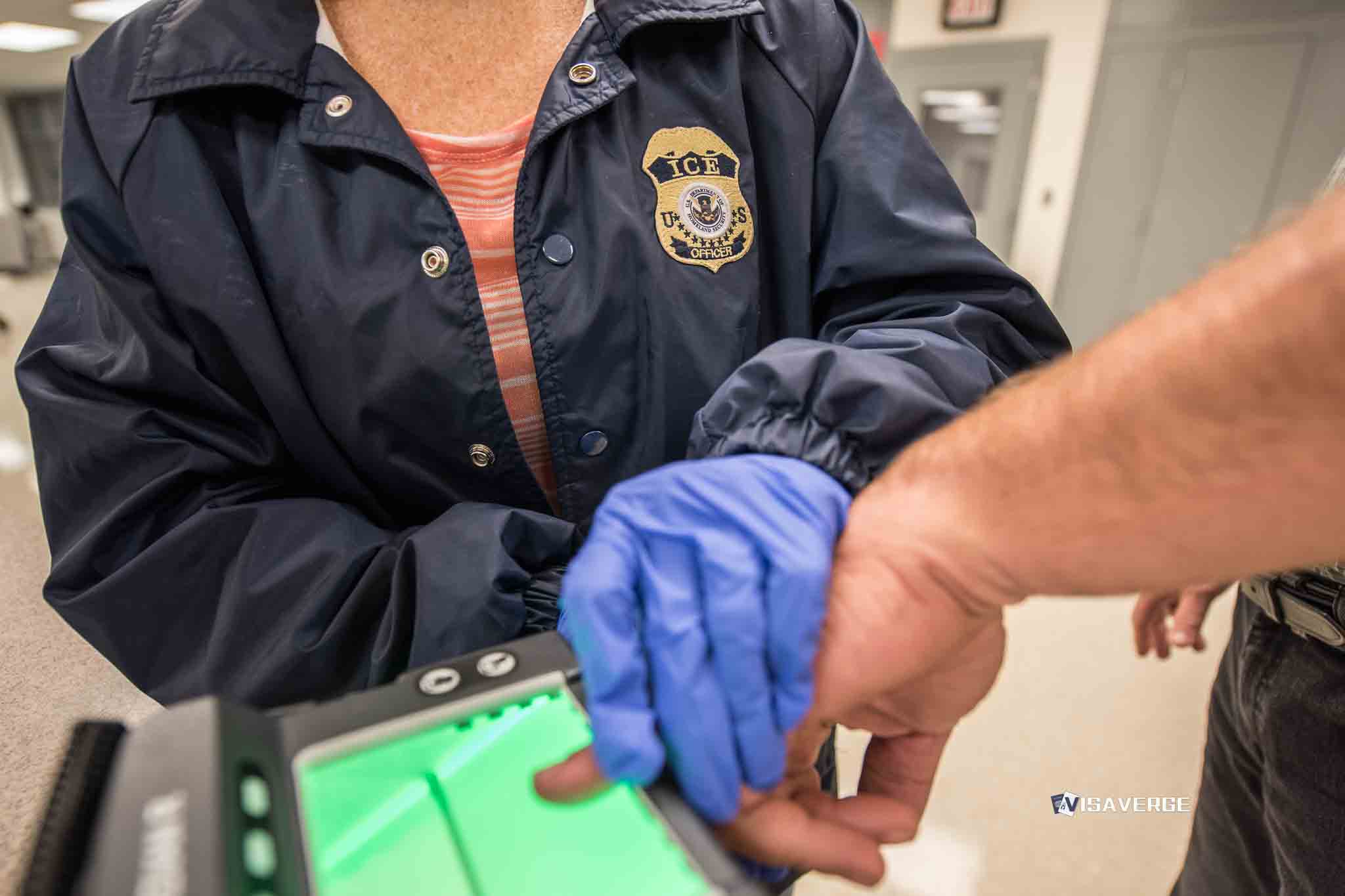
In public statements, dhs and ice framed the activity as focused on serious offenders, even as an outside data analysis and local news reports pointed to a large share of arrests involving people with no criminal convictions.
What the surge means in practice
A surge can mean different things to families and neighborhoods, but the reported increase centers on more enforcement encounters that start outside jail settings, including arrests at homes, after traffic stops, and during routine errands.
In practical terms, residents may see a higher ICE presence tied to check-ins and community enforcement, with outcomes that can move quickly from arrest to detention and, in some cases, removal.
An arrest is when ICE takes a person into custody. Detention refers to holding someone in custody, including in federal facilities, while immigration proceedings move forward.
A removal, sometimes called a deportation, is the formal process of sending someone out of the united states under immigration authority.
Official framing from DHS and ICE
The volume cited in the michigan reports came as DHS and ICE continued to promote a public-safety narrative around enforcement. A DHS press release on January 7, 2026, titled “ICE Arrests Worst of Worst Criminal Illegal Aliens,” included the line: “ICE continues to arrest violent criminal illegal aliens. despite resistance from activists and sanctuary politicians. Our courageous officers have proven their commitment to upholding the rule of law in the United States and making America safe again.”
DHS Secretary Kristi Noem, speaking at a press conference in Gary, Indiana, on October 30, 2025 about Midwestern operations that included Michigan and Ohio, also offered a categorical denial that Americans were being swept up.
“There’s no American citizens have been arrested or detained. We focus on those that are here illegally. And anything that you would hear or report that would be different than that is simply not true and false reporting,” Noem said.
In another statement, DHS pushed back against sympathetic portrayals of a father deported after a traffic stop. “Attempts to cast [the individual] as a sympathetic figure ignore the facts and insult the victims of his crimes. He was deported and is no longer a threat to the safety of Americans,” DHS said on June 30, 2025, in what it described as an official “fact-check” response to media reports.
Numbers and outside analysis
Alongside those claims, Michigan numbers cited in the same set of reports were stark. The Detroit ICE Field Office oversaw over 2,300 deportations in the first six months of 2025 alone, covering Michigan and Ohio, according to the figures provided.
Total arrests in Michigan for the year 2025 were estimated to be over 3,100, nearly triple the volume of the previous year.
A separate analysis cited in the Michigan reporting, drawing on the Deportation Data Project and local news reports from the Ann Arbor News and Detroit News, found that approximately 65% of those arrested in Michigan between January and July 2025 had no criminal convictions.
The analysis and the enforcement messaging measure different things, and they can move in different directions because an immigration arrest can be based on immigration status violations even when there is no criminal conviction.
How enforcement is categorized and counted
DHS and ICE often describe enforcement in categories that emphasize criminal histories and public safety. Operations can be presented in press releases with lists of goals and totals, sometimes with limited detail about how targets were identified or how many total encounters led to arrests.
For readers, that can make the timing, location, and definitions crucial for interpreting what is being counted.
Operations tied to the surge
The Michigan reporting tied the surge to specific operations, including “Operation Angel’s Honor” and “Operation Midway Blitz,” launched in late 2025 and early 2026. The operations were described as targeting “at-large” individuals, a term generally used to mean arrests in community settings rather than transfers from local jails or prisons.
Community arrests differ from custody transfers in how they begin and how visible they can be. A custody transfer typically involves ICE taking someone into immigration custody from a jail after a local arrest.
At-large enforcement, as described in the Michigan reports, can involve ICE officers approaching people at residences, during everyday travel, or after local law enforcement contacts such as traffic stops.
Community impacts and notable scenes
Local advocates and families have pointed to settings that feel unpredictable, including homes and routine errands. The Michigan reporting referenced community and school-related concerns while noting that public accounts can be shaped by what is visible, what is recorded, and what is later confirmed through official statements.
One high-profile line in the Michigan accounts was “dad getting coffee,” used to describe arrests that occurred during daily life rather than after serious criminal proceedings.
In one case cited, Lu Yang, described as a father of six and a Vietnam War refugee, was arrested in July 2025 and remained in custody despite receiving a pardon from Michigan Governor Gretchen Whitmer on October 22, 2025.
A state pardon can be significant in criminal law, but immigration consequences can follow different rules and processes, and the Michigan reporting emphasized that the arrest and continued custody still occurred in Yang’s case.
The account became a reference point for critics who said the enforcement surge was sweeping too broadly, while DHS has continued to describe its actions in public-safety terms.
The Michigan reporting also described teen cases that drew attention because of their connection to school and asylum. At least four Detroit teenagers seeking asylum, all students at Western International High School, were reportedly arrested and jailed in federal facilities as of November 2025.
One case involved 18-year-old Michael Begoya Darte, who was detained following a traffic stop on the way to a field trip, according to the Michigan accounts. Teen cases can intensify scrutiny because they touch schools, and because the line between a traffic encounter and federal custody can be hard for families to anticipate.
From arrest to outcomes
The path from an ICE arrest to longer-term outcomes can vary widely. After arrest, a person may be detained or released, and the process can include a Notice to Appear, immigration court proceedings, and requirements such as ICE check-ins.
Some cases move to removal; others can stretch out while claims are reviewed, but the Michigan reporting focused on the immediate surge in arrests and detentions rather than detailed court timelines.
The distinction between arrest, charge, and conviction also matters when officials and critics debate who is being targeted. An arrest does not mean a person has been convicted of a crime, and “no criminal convictions” does not mean no contact with the criminal legal system.
It can also mean the enforcement basis is an immigration violation rather than a criminal conviction, which is a recurring flashpoint in public debate.
Sources, reporting streams, and public reaction
The Michigan accounts cited government materials and outside analysis as separate streams of information. Official data and statements tend to be treated as primary for what the government claims it is doing and how it counts actions like arrests and removals, while third-party datasets and local reporting can highlight patterns, disputes, and individual cases that shape public understanding.
In Southwest Detroit, the reporting described a public reaction that included protests. A July 2025 incident involved ICE agents using pepper spray on protesters attempting to block an arrest, according to the Michigan accounts.
High-visibility enforcement can change behavior in communities even among people who are not direct targets, as families reconsider travel routes, work routines, and school participation. The Michigan reporting described protests and wider public attention, reflecting how enforcement visibility can become a community issue rather than only an individual legal crisis.
Public response can also shape how quickly information spreads, and how often rumors or partial accounts circulate before details are confirmed. The Michigan reporting emphasized day-to-day arrests and school-related concerns, along with official DHS language that stressed priorities and dismissed certain reports as false.
Interpreting numbers and timelines
For readers trying to weigh competing claims, the type of source and what it measures can be as important as the headline number. ICE press releases and DHS statements often emphasize categories of targets and overall totals, while dashboards can present aggregate statistics without the narrative framing of a press conference.
Outside analyses may focus on criminal conviction status, which can answer a different question than an agency’s public-safety messaging.
Michigan’s reported increase was framed in the accounts as part of a broader “mass deportation” campaign, with the Detroit ICE Field Office playing a central regional role because it covers both Michigan and Ohio.
The October 2025 press conference in Gary, Indiana, was described as addressing Midwestern operations, including Michigan and Ohio, underscoring that enforcement announcements can be regional even when impacts are felt locally.
Official materials and where to find them
Official materials cited in the Michigan reporting included the ICE newsroom, DHS press releases, the ICE ERO statistics dashboard, and Detroit Field Office information.
Readers can find those pages at ICE Newsroom, DHS Press Releases, ICE ERO Statistics Dashboard, and Detroit Field Office Information.
Comparisons, windows, and takeaways
Comparing numbers across sources can be difficult because counting methods can differ, and the Michigan reporting itself presented multiple measures across different time windows.
The reports cited over 2,300 arrests in Michigan over the past year as of January 11, 2026, over 2,300 deportations in the first six months of 2025 alone for the Detroit ICE Field Office’s Michigan and Ohio area, and an estimate of over 3,100 Michigan arrests for the year 2025.
The same accounts pointed to approximately 65% of those arrested in Michigan between January and July 2025 having no criminal convictions, a figure that can be read as a window into who was being picked up, not necessarily a full picture of who DHS and ICE said they were targeting.
The enforcement surge was also tied to late 2025 and early 2026 operations, and to incidents and cases in July 2025, October 22, 2025, and November 2025.
For readers trying to visualize the story, timelines help clarify what changed and when, especially when a single year includes both a summer protest and winter enforcement announcements. Clear labeling matters: time window, geography, and definitions of arrest versus removal can change the interpretation of the same dataset.
Maps can also help distinguish statewide claims from office-level figures, particularly because the Detroit ICE Field Office covers Michigan and Ohio. Year-over-year comparisons can be useful, but the Michigan reporting’s note that the 2025 arrest estimate was nearly triple the previous year shows why the baseline year and the measuring method need to be stated each time.
Criminal-history breakdowns can also be charted, but readers should note the difference between arrests and convictions, and between immigration violations and criminal convictions.
Cross-checking official releases with statistics dashboards and credible local reporting can help readers evaluate claims, and the Michigan accounts showed how individual cases, including teens and a father of six, can become focal points as the enforcement surge continues to reverberate across daily life.
Immigration enforcement in Michigan surged in 2025, with over 3,100 arrests reported by the Detroit ICE Field Office. Despite official narratives focusing on criminal targets, data reveals a majority of those arrested lacked criminal records. The surge, characterized by community-based ‘at-large’ arrests, has significantly impacted local families and schools, leading to widespread protests and increased scrutiny of federal immigration tactics and their transparency.