(MERRIMACK, NEW HAMPSHIRE) — USCIS family- and employment-based case processing times remain in the multi‑month range as of January 2026, with many applicants seeing stable or slightly slower timelines in interview-scheduled cases. The news that ICE is considering “Surprise” plans for a temporary processing and detention site in Merrimack is separate from USCIS benefits adjudications, but it has increased urgency for many New Hampshire families to confirm case status, keep addresses current, and avoid missed USCIS deadlines.
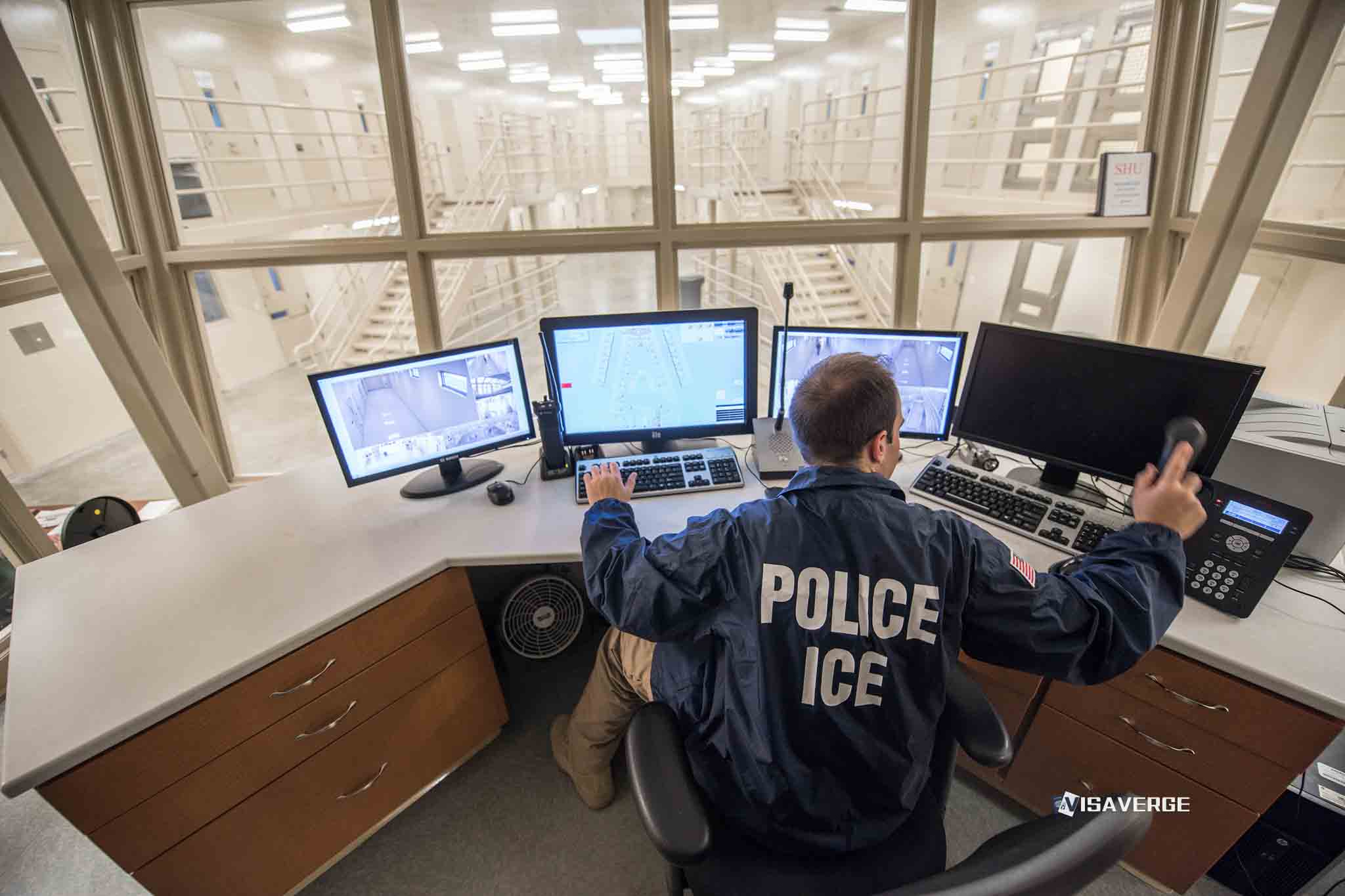
Reports describe a possible ICE “feeder” facility in Merrimack that could hold hundreds of people for short periods. DHS has said plans discussed in reporting were “not final,” and Merrimack officials said they had no prior notice. Even without a confirmed site, enforcement activity can affect immigrants who have pending USCIS applications, court dates, or upcoming biometrics.

Current USCIS processing time ranges (estimates)
USCIS processing times are estimates and vary by form type, eligibility category, and office workload. The most reliable numbers come from the USCIS processing time tool at egov.uscis.gov/processing-times/.
Processing time comparison (common benefits)
Estimates as of January 2026. Check your exact category and field office in the USCIS tool.
| Benefit (Form) | What it covers | Typical processing range |
|---|---|---|
| Form I-485, Application to Register Permanent Residence or Adjust Status | Green card in the U.S. | 8–20 months (often longer if an interview is required) |
| Form I-765, Application for Employment Authorization | Work permit (EAD) | 2–8 months |
| Form I-131, Application for Travel Document | Advance parole / travel document | 3–12 months |
| Form N-400, Application for Naturalization | U.S. citizenship | 6–14 months |
| Form I-90, Application to Replace Permanent Resident Card | Renew/replace green card | 8–18 months |
Processing times by service center (example ranges)
Estimates as of January 2026. Your receipt notice shows the service center.
| Service Center | Common forms | Typical range (varies by category) |
|---|---|---|
| NBC (National Benefits Center) | Many I-485 pre-processing and I-765 | I-485: 10–18 months / I-765: 2–6 months |
| TSC (Texas Service Center) | Some I-765, I-131, and petition types | 3–10 months depending on form |
| NSC (Nebraska Service Center) | Some I-765, I-131, and petition types | 3–10 months depending on form |
| CSC (California Service Center) | Some I-765, I-131, and petition types | 3–10 months depending on form |
| VSC (Vermont Service Center) | Certain humanitarian and petition types | 6–18 months depending on form |
⏱️ Processing Time: These ranges are USCIS estimates as of January 2026. Times vary by category, service center, and local field office. Check egov.uscis.gov/processing-times/.
Why cases take longer than the estimate
Several issues can extend processing beyond the posted range:
- Requests for Evidence (RFEs). Missing documents and unclear translations are common triggers.
- Interviews. Many Form I-485 cases require an in‑person interview. Scheduling depends on your field office.
- Security checks. Background checks can extend timelines with no public “deadline.”
- Address changes and returned mail. Missed biometrics or interview notices can cause denial.
- Multiple agencies involved. Some cases require interagency review, especially with prior immigration history.
In Merrimack and across New Hampshire, community concern about ICE activity has also led applicants to ask whether enforcement changes USCIS timelines. USCIS and ICE are separate components within DHS, with different missions. Still, enforcement encounters can create urgent deadlines, especially if someone is placed into removal proceedings.
Fees to expect (verify before filing)
USCIS fees change periodically. Always confirm the current amount at uscis.gov/fees before you mail a package.
Create a single PDF folder with all filings, receipts, and notices. Bring it to biometrics and interviews, and regularly verify fees and forms on the official USCIS site before sending.
| Form | Purpose | Fee (as of January 2026)* | Notes |
|---|---|---|---|
| I-485 | Adjustment of Status | $1,225 | Commonly includes biometrics in many categories |
| I-130, Petition for Alien Relative | Family petition | $625 | Amount can vary by filing method |
| I-765 | EAD | $410 | Some categories pay $0 when filed with I-485 |
| I-131 | Travel document | Varies | Depends on category and whether filed with I-485 |
| Form I-912, Request for Fee Waiver | Fee waiver | $0 | Only available for eligible filings |
*These are common figures cited by applicants and publications as of January 2026. Verify at uscis.gov/fees. Wrong fees can cause rejection.
💰 Current Fee: Confirm the exact fee at uscis.gov/fees. Incorrect fees or payee lines can trigger a lockbox rejection.
When an expedite request may help
USCIS may consider expedite requests for certain forms, including EADs and travel documents, if you meet USCIS criteria. USCIS generally looks for:
- Severe financial loss to a person or company.
- Urgent humanitarian reasons or an emergency.
- Nonprofit work furthering cultural or social interests.
- Government interests or clear USCIS error.
If ICE activity or “Surprise” enforcement planning in your area creates an emergency, document the urgency. Provide dates, proof of income loss, medical records, or employer letters.
⚠️ Common Mistake: Expediting without evidence often fails. Send documents that show urgency, dollar amounts, and deadlines.
How to check your case status and avoid missed notices
Use official tools and keep your contact information current:
- Create or sign in to your account at my.uscis.gov.
- Check “Case Status” using your receipt number.
- Sign up for text and email updates if available.
- File address changes promptly using the USCIS online change of address tool through uscis.gov.
- Bring all notices to biometrics and interviews, plus photo ID.
If you are in removal proceedings, or ICE contact is possible, speak with qualified counsel before travel or any filing that could affect your strategy.
Use the USCIS processing times tool regularly for your exact form and office. Save a snapshot, note your receipt number, and set reminders to check status weekly so you don’t miss changes.
✅ Pro Tip: Keep a single PDF file of every filing, receipt, and notice. Bring it to biometrics, interviews, and attorney meetings.
Practical next steps (January 2026)
- Check your form’s current estimate at egov.uscis.gov/processing-times/, using your category and office.
- Confirm filing fees at uscis.gov/fees before submitting any package.
- Review your address and mailing reliability, especially if you recently moved in Merrimack or elsewhere in New Hampshire.
- Use my.uscis.gov to track status and store receipt numbers in one place.
📋 Official Resources: Download forms at uscis.gov/forms. Check processing times at egov.uscis.gov/processing-times. Fees and processing times are subject to change—always verify current information at uscis.gov.
Immigration processing times in early 2026 show Green Card applications taking 8–20 months and naturalization 6–14 months. Amidst these timelines, news of a potential ICE detention facility in Merrimack, New Hampshire, has surfaced, though not yet finalized. USCIS emphasizes the need for accurate filing, proper fees, and evidence-backed expedite requests. Applicants are encouraged to use official digital tools to track their status and ensure all contact information is current.