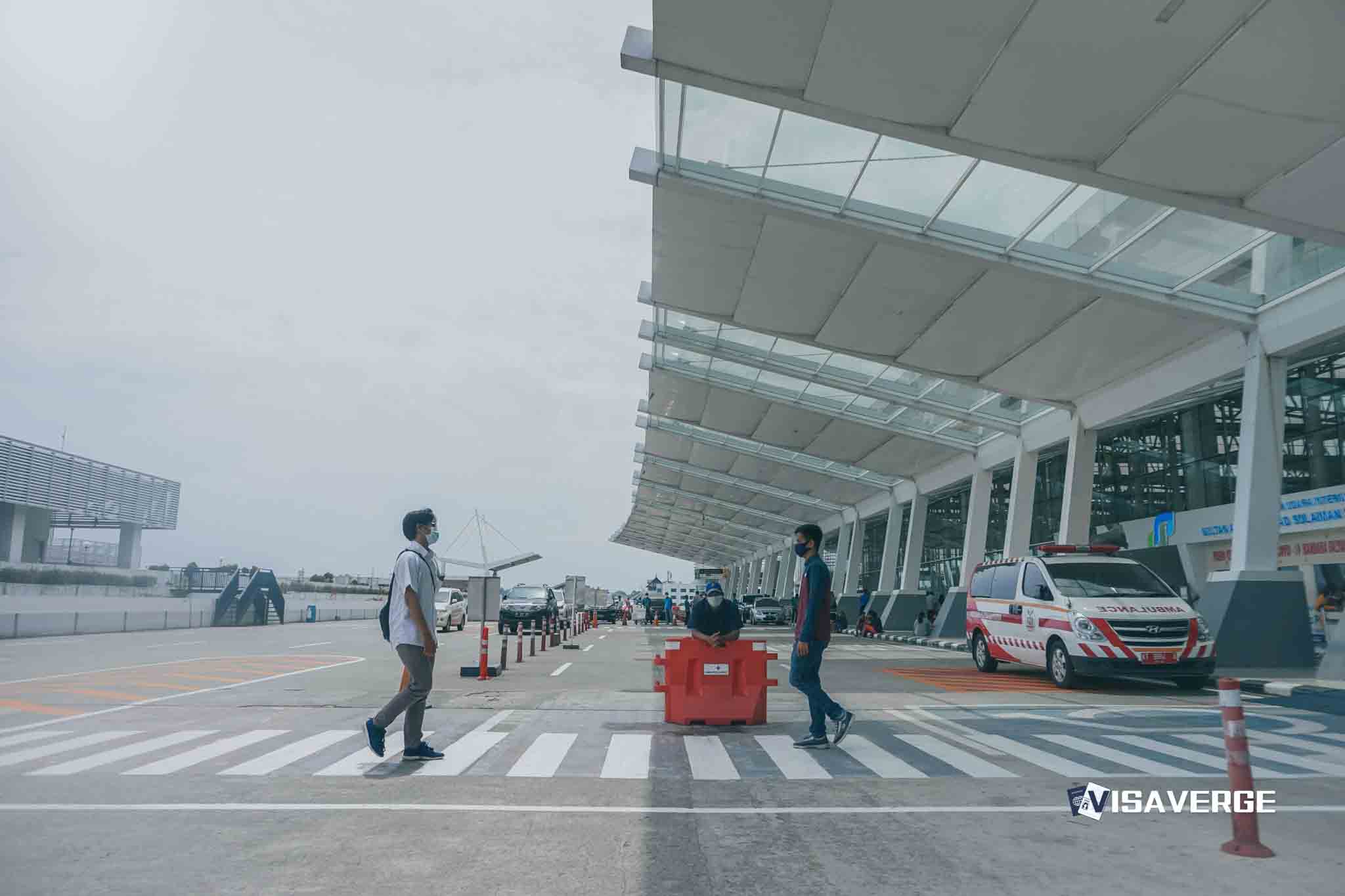
(INDIA) Massive flight cancellations by IndiGo on December 5 and 6, 2025, triggered chaos across Indian airports, stranding tens of thousands of passengers, including international travelers with tight visa appointments and onward connections. More than 1,000 IndiGo flights were grounded on December 5, followed by over 400 cancellations on December 6, turning major hubs like Delhi and Mumbai into makeshift waiting halls, with families sleeping on the floor and foreign visitors scrambling to reschedule immigration interviews and connecting flights.
Government response and probe
India’s Ministry of Civil Aviation moved quickly to contain the fallout, ordering a high-level probe into how the country’s largest airline allowed operations to collapse so sharply.
- The investigation is being led by a four-member panel from the Directorate General of Civil Aviation.
- Named to the committee were Joint Director General Sanjay K Brahmane and Deputy Director General Amit Gupta.
- The panel has been given two weeks to examine:
- crew management failures,
- gaps in compliance with the new Flight Duty Time Limitation (FDTL) norms,
- weaknesses in IndiGo’s internal oversight systems.
According to the Ministry, the team will review rosters, operational data, and communication records to determine whether IndiGo ignored warning signs as pilot availability tightened before the rule change.
Cause cited by the minister
Civil Aviation Minister Kinjarapu Ram Mohan Naidu said the primary cause was IndiGo’s poor handling of the new FDTL rules for pilots, which led to severe crew shortages and last‑minute flight cancellations.
- He described the situation as a “humanitarian crisis”, pointing to passengers traveling for medical treatment, official work, and time‑sensitive immigration matters who were left with no clear information or support.
- The minister assigned clear responsibility to the airline, saying IndiGo’s mismanagement of crew schedules and lack of planning for the new duty time rules lay at the heart of the crisis.
“Whoever was responsible for this needs to pay for it.”
Minister Naidu also confirmed that the government has granted temporary relaxations to IndiGo on the FDTL rules as an emergency step to stabilize operations while the airline adjusts its pilot rosters.
What the FDTL rules change
Under the revised Flight Duty Time Limitation (FDTL) framework:
- Pilots’ working hours, rest periods, and night duty limits have been tightened.
- The changes aim to improve safety and reduce fatigue.
Airlines had months of lead time to prepare, but IndiGo appears to have underestimated the operational impact. Many crew members reportedly went out of hours on the first days of implementation, creating a domino effect:
- One canceled leg stranded aircraft and crew.
- Subsequent sectors could not be operated, pushing more pilots past allowed duty limits.
- This compounded into further massive cancellations.
IndiGo’s response and operational adjustments
Facing intense criticism, IndiGo’s CEO Pieter Elbers issued an apology to passengers while pointing to multiple contributing factors:
- Technology glitches
- Adverse weather
- Congestion at busy airports
- Complexity of shifting to new FDTL rules
Elbers announced operational changes:
- IndiGo will cut back its flight schedule from December 8 to create a buffer.
- The airline aims to fully restore normal operations by February 10, 2026.
For travelers, especially those syncing flights with visa expiry dates or work start dates abroad, this likely means allowing extra time for potential disruptions in the coming weeks.
Consumer protections and government directives
The government imposed strict conditions while IndiGo works through the crisis:
- IndiGo must send regular public updates on flight status.
- The airline must automatically issue full refunds for all canceled flights.
- IndiGo is required to arrange hotel accommodation for stranded passengers when needed.
- Authorities ordered IndiGo to clear all pending refunds by 8 PM on December 7, 2025, after complaints that passengers were offered vouchers instead of cash.
To protect consumers from price spikes, the Ministry moved to cap airfares on the hardest-hit routes, as ticket prices had started soaring when capacity suddenly dropped.
Quick summary table: key dates and mandates
| Item | Details |
|---|---|
| Flight cancellations | >1,000 on Dec 5; >400 on Dec 6, 2025 |
| Probe panel | Four members from DGCA; includes Sanjay K Brahmane, Amit Gupta |
| Deadline for probe | Two weeks to report |
| Refund deadline ordered | 8 PM, Dec 7, 2025 |
| Schedule cutback starts | Dec 8, 2025 |
| Target for full recovery | Feb 10, 2026 |
Impact on travelers, visas and international connections
For many overseas passengers and Indian migrants returning to jobs and schools abroad, the timing was particularly harsh:
- December is a peak travel month (year‑end holidays, visa renewals, university reporting).
- Missed IndiGo flights caused some travelers to lose connecting segments on other carriers.
- Passengers were often forced to rebook at high last‑minute fares or risk overstaying visas in transit countries.
- Analysis by VisaVerge.com warns that air travel chaos can easily spill into immigration trouble when people miss fixed consulate appointments or arrive after a visa’s validity window.
Broader regulatory and industry implications
While the crisis centered on domestic operations, it has raised broader questions about how airlines balance rapid growth with compliance to safety rules like the FDTL:
- IndiGo built a reputation for on-time performance and low fares, and has expanded rapidly domestically and on short‑haul international routes.
- The struggle with FDTL is now a test of whether fast‑growing carriers can adapt to tighter, safety-driven regulations without stranding passengers.
- The probe’s findings could lead to stricter oversight, clearer contingency obligations, and possibly penalties or management changes for IndiGo.
Minister Naidu framed the episode as a sector-wide wake-up call, stressing that delays sometimes produce consequences far beyond inconvenience:
- Delays can change someone’s legal status abroad, cause loss of a job offer, or push a student beyond a college reporting deadline.
- The minister’s stance indicates future regulatory changes affecting airlines’ operations will likely be accompanied by closer government tracking of airline readiness.
DGCA position and traveler concerns
The Directorate General of Civil Aviation — which oversees aviation safety and enforcement in India — has stated that safety will not be compromised as it works with IndiGo through the crisis.
- Officials insist any temporary easing of FDTL limits will still keep pilot fatigue within safe thresholds.
- The long‑term goal remains full compliance with the stricter norms.
For travelers, however, the principal concerns are practical:
- Will my flight actually depart?
- If it’s canceled, will I get prompt help and refunds without days of waiting?
What happens next
As passengers slowly move out of crowded terminals, the larger story is still unfolding:
- The DGCA panel’s report, due within two weeks, will determine if IndiGo faces penalties, structural reforms, or enhanced monitoring.
- Airlines, regulators, and travelers—both in India and on international routes linked to Indian airports—are watching to see whether this breakdown leads to stronger protections and better contingency planning the next time a major operational shock meets stricter rules such as the FDTL framework.
IndiGo canceled over 1,400 flights on Dec. 5–6, 2025 after failing to manage tighter FDTL pilot rules, stranding thousands. The Civil Aviation Ministry ordered a DGCA four-member probe with a two-week deadline to examine crew management, compliance gaps, and oversight failures. IndiGo apologized, cited tech and weather factors, cut schedules from Dec. 8, and aims to resume normal operations by Feb. 10, 2026. Authorities mandated full refunds, hotel accommodations, fare caps, and regular public updates to protect travelers.