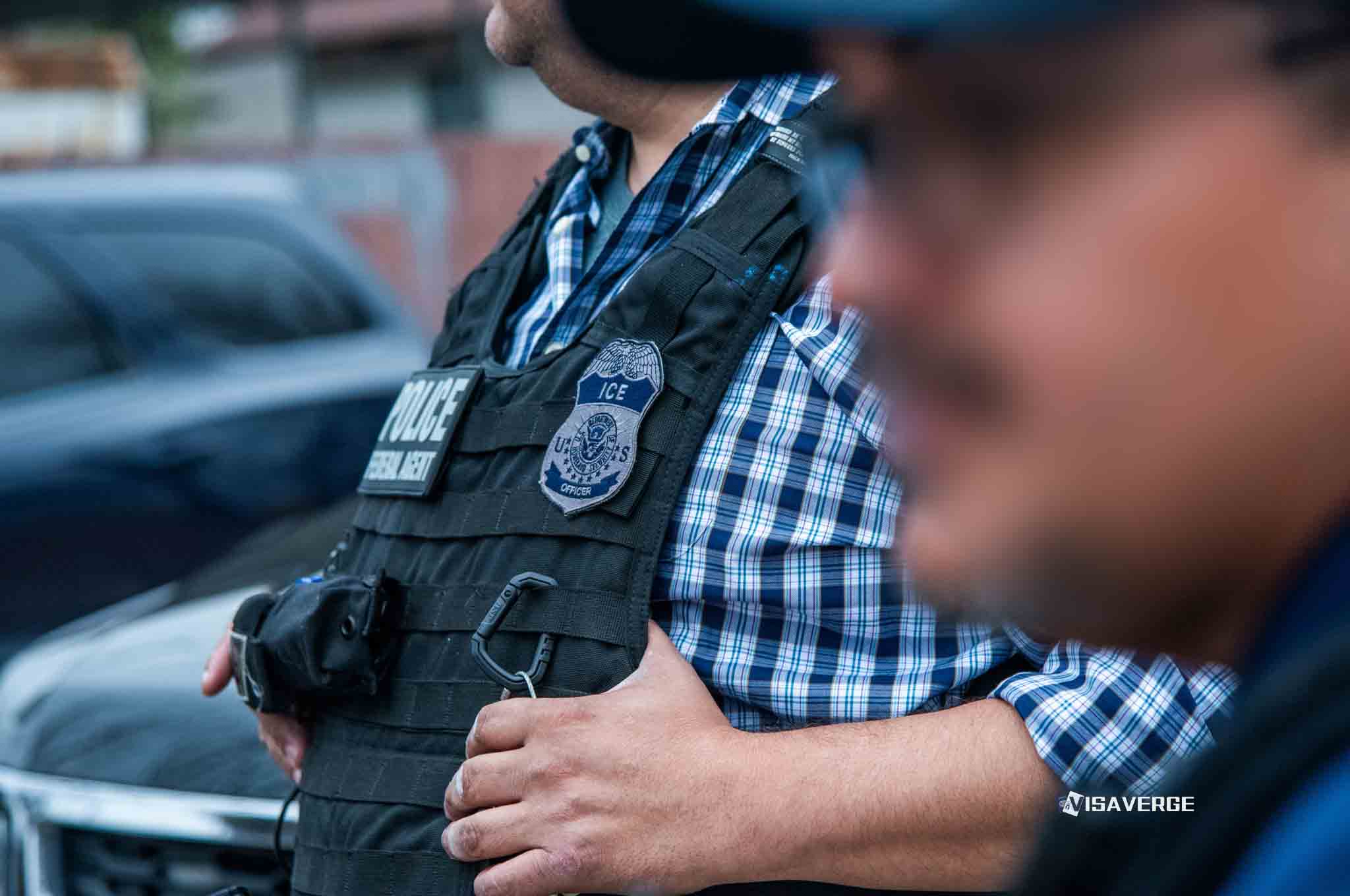
(IONIA, MICHIGAN) A man has died in U.S. Immigration and Customs Enforcement custody in 2025 at Michigan’s newest immigration detention facility in Ionia, a death that advocates and researchers say adds to the “deadliest year” in ICE detention since at least 2004 and raises fresh questions about oversight as the agency holds tens of thousands of people a day.
Public details about the death in Ionia remain limited. Current reporting describes the facility as Michigan’s newest ICE detention site, but ICE has not posted a stand‑alone detainee death press release explicitly titled for an Ionia or Michigan death in 2025. That gap means the man’s name, age, nationality, the precise cause of death, where he was taken for medical care, and which official signed any formal notice have not been clearly established in widely available national records so far.
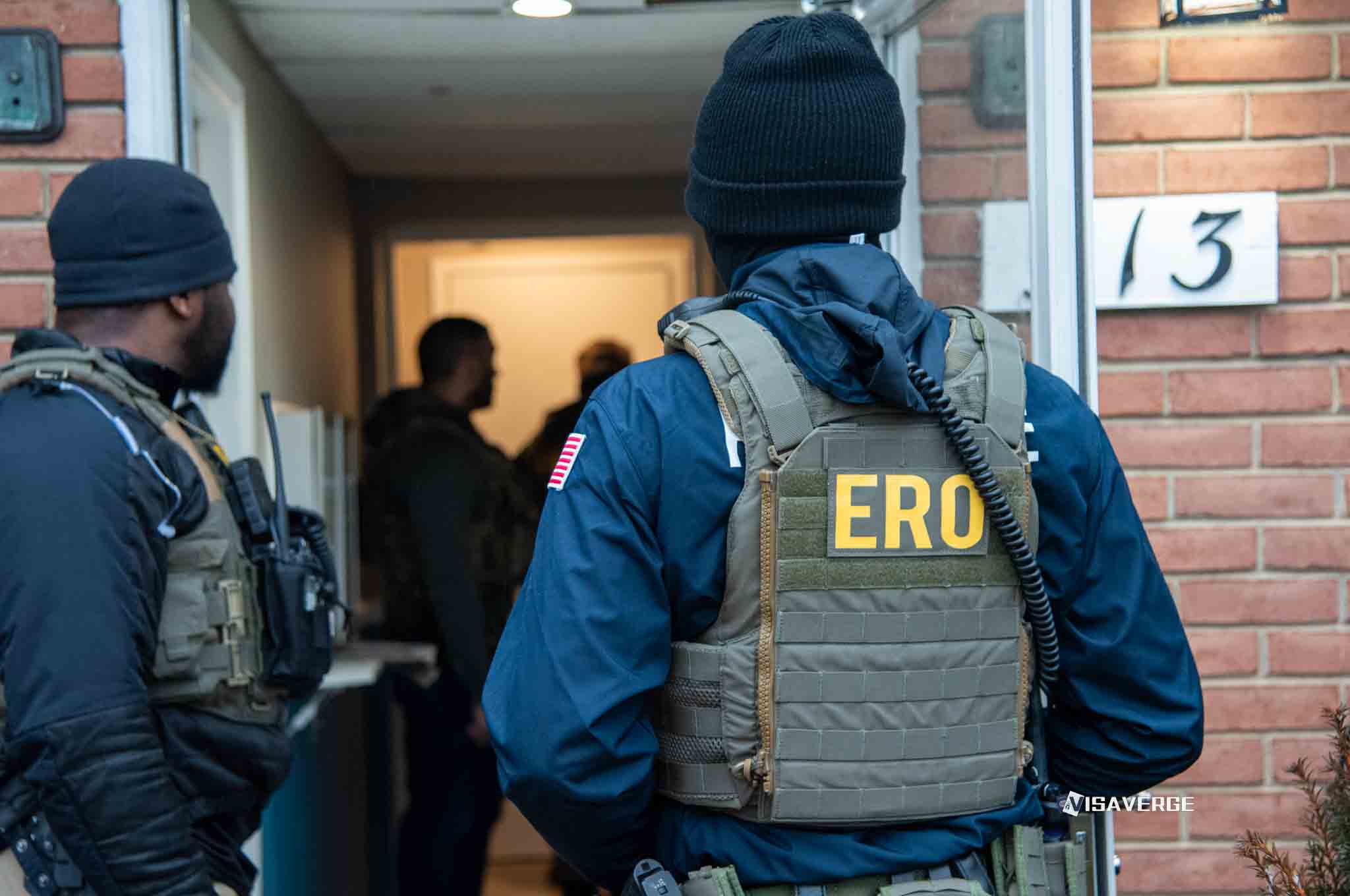
Still, the death lands in a fiscal year in which ICE itself reported 18 deaths in FY 2025, which ended September 30, while the American Immigration Council said it identified 23 deaths in ICE custody for FY 2025 after reviewing ICE press releases. The council said the real toll is likely higher, arguing that federal reporting can miss people who die after being transferred out of detention to outside hospitals.
“The way that ICE defines a death in detention is pretty narrow,” said Rebekah Wolf, an attorney with the American Immigration Council, explaining that detainees moved to outside facilities who later die are often not counted as ICE detention deaths.
Researchers and advocates say that dynamic can make it hard for families, lawyers and the public to track where someone was being held, and can also obscure the role of a particular facility—especially as ICE expands its use of newer sites and a patchwork of local and private arrangements.
The debate over the numbers is sharpened by the size of the increase compared with recent years. Official ICE tallies cited in America Magazine and the American Immigration Council show 12 deaths in FY 2024, 4 in FY 2023, 3 in FY 2022, 5 in FY 2021, 21 in FY 2020 (COVID peak), 8 in FY 2019, and 6 in FY 2018. The council’s analysis said FY 2025 had the highest number of deaths in ICE detention since 2004, when 32 people died.
In Michigan, the Ionia death is tied to a detention footprint that has grown in the Great Lakes and Midwest. Reporting cited in the source material describes a newly contracted immigration detention center in Michigan, operated under an intergovernmental service agreement and a private vendor contract, with naming conventions varying by source. For residents in and around Ionia, the lack of clear public identification has made the story harder to pin down: a death is confirmed in 2025 while the person’s identity and circumstances are not yet laid out in the federal public record.
Advocates say that uncertainty is not an administrative quirk but a barrier to accountability. ICE sometimes reports the location of death—often a local hospital—rather than the detention facility where the person was actually being held, which can leave deaths associated with a particular site appearing in national statistics without clearly labeling that facility in public-facing documents. That is one reason, advocates say, why Michigan’s newest ICE detention facility in Ionia can be linked to a death in 2025 even as a facility‑named ICE press release has not appeared.
Across the country, ICE’s own press releases and public lists show deaths in a wide range of detention settings, including newer or recently expanded sites. The source material points to multiple deaths in places such as Moshannon Valley Processing Center in Pennsylvania, Karnes County Immigration Processing Center in Texas, Eloy Detention Center in Arizona, and Central Arizona Correctional Complex, illustrating how widely spread detention has become and how quickly cases can move between facilities and hospitals.
Among those publicly identified for 2025, ICE reported that Genry Donaldo Ruiz‑Guillen, 29, a citizen of Honduras, died January 23, 2025 at Larkin Community Hospital Palm Springs in Hialeah, Florida, after detention at Krome Service Processing Center. ICE reported Serawit Gezahegn Dejene, 45, a citizen of Ethiopia, died January 29, 2025 at Banner University Medical Center in Phoenix after being held at Eloy Detention Center in Arizona. ICE also reported the death of Juan Alexis Tineo‑Martinez, 44, a citizen of the Dominican Republic, who died at Centro Medico Hospital in San Juan, Puerto Rico after a narcotics and human‑smuggling interdiction.
Other deaths listed in the source material include Brayan Rayo‑Garzon, 27, a citizen of Colombia, who was found unresponsive and later died at Phelps County Jail in Rolla, Missouri; Nhon Ngoc Nguyen, 55, a citizen of Vietnam, who died at a long‑term acute care hospital in El Paso, Texas after being in ICE custody there; and Marie Ange Blaise, 44, a citizen of Haiti, who died at Broward Transitional Center in Pompano Beach, Florida.
ICE reported that Jesus Molina‑Veya, 45, a citizen of Mexico, was pronounced dead June 7, 2025 at Phoebe Sumter Hospital in Americus, Georgia after being found unresponsive in his cell at Stewart Detention Center in Lumpkin, Georgia. An ICE spokesperson called it “an apparent suicide.” ICE also reported Isidro Perez, 75, a citizen of Cuba, was pronounced dead June 26, 2024 at HCA Kendall Florida Hospital in Miami after chest pains at Krome Service Processing Center, and that ICE did not publicly post the death until a June 29, 2025 press release.
ICE reported that Tien Xuan Phan, 55, a citizen of Vietnam, died July 19, 2025 at Methodist Hospital Northeast in Live Oak, Texas after being detained at Karnes County Immigration Processing Center. The agency also reported Chaofeng Ge, 32, a citizen of China, died by suicide on August 5, 2025 at Moshannon Valley Processing Center in Philipsburg, Pennsylvania, and that ICE and Pennsylvania State Police determined the death was suicide. ICE reported that Lorenzo Antonio Batrez Vargas, 32, a citizen of Mexico, was pronounced dead August 31, 2025 by a doctor at Mountain Vista Medical Center in Mesa, Arizona after being detained at Central Arizona Correctional Complex in Florence, Arizona. ICE also reported that Oscar Rascon Duarte, 58, a citizen of Mexico, died September 8, 2025 at Banner Desert Medical Center after being detained at Eloy Detention Center.
One case listed late in the fiscal year involved Ismael Ayala‑Uribe, 39, a citizen of Mexico and a former DACA recipient who had lived in the United States since age 4. ICE reported he died September 22, 2025 at Victor Valley Global Medical Center in Victorville, California; his family told advocates he “complained of a fever and had a persistent cough” in the weeks before he died.
Advocates argue those examples, while specific, do not capture the full picture of FY 2025. The American Immigration Council’s higher count includes additional deaths tied to detention that are not all on ICE’s public list, according to the source material. The council and medical experts also point to patterns in causes and conditions—suicide, cardiac events, chronic illness complications, and acute untreated or poorly treated conditions—describing recurring failures such as delayed emergency response, inadequate chronic‑disease management, poor mental‑health care, lack of language access, and failures in monitoring people at high risk of suicide.
The council’s critique draws on a large documentary record. The source material says the American Immigration Council and medical experts, after reviewing “over 14,500 pages of documents” and ICE’s own investigatory files, concluded that the Department of Homeland Security has failed to conduct rigorous investigations, impose meaningful consequences, or improve conditions that cause immigrants to die in ICE detention.
The growing death toll is unfolding as detention itself has expanded. Wolf said ICE is operating a policy of “near‑universal detention,” with an average of about 60,000 people detained per day in 2025—roughly double to triple the typical 18,000–30,000 daily population of the prior several years. Separately, TRAC data show that as of November 30, 2025, 48,377 out of 65,735 people in ICE detention—73.6%—had no criminal conviction, a statistic advocates cite to argue that many detainees are being held for civil immigration violations rather than criminal sentences.
“This administration has dehumanized immigrants and, accordingly, they are treating them inhumanely,” said Kevin Appleby, senior fellow at the Center for Migration Studies of New York, describing the 2025 surge as “a direct result of the policy of mass deportations.”
“There’s not an incentive there for ICE to comply with basic standards that treat people as human beings. They’re not rewarded for that. They’re rewarded for the number of people that they can detain and deport,” Appleby added.
Religious leaders have also reacted to the year’s death count. Bishop Mark Seitz of El Paso, speaking about the 23 deaths the American Immigration Council counted for FY 2025, said:
“Twenty‑three people… My God.”
Chieko Noguchi, spokesperson for the U.S. Conference of Catholic Bishops, said bishops “are of course concerned with any deaths in detention facilities and disturbed by the recent reports of the increase in the rates of death.”
Oversight concerns have extended beyond long‑term detention centers to short‑term holding sites. In a separate case involving conditions at a short‑term ICE holding facility in Broadview, Illinois, the source material says a federal judge on November 5, 2025 ordered ICE and DHS to improve conditions after evidence that people were being held for days or weeks in a 12‑hour facility, “denying them access to sufficient food, water, showers, hygiene products, and medical care,” with no beds or blankets, forcing people to sleep “on the cold and dirty floor.”
“Community members are being kidnapped off the streets, packed in [holding] cells, denied food, medical care and basic necessities, and forced to sign away their legal rights… This is a vicious abuse of power and gross violation of basic human rights by ICE and the Department of Homeland Security. It must end now,” said Maja Van Brunt, an attorney.
The source material also points to whistleblower reports that DHS halted more than 500 civil rights investigations when it shut down an internal oversight office, a move advocates say weakened safeguards at the same moment detention numbers rose and more facilities—from county jails to contracted centers—were brought into the system.
In Ionia, the lack of a facility‑named federal press release leaves local and national observers piecing together a basic but unsettling outline: a man died in custody at Michigan’s newest immigration detention facility during FY 2025, and the death is being counted in a year already marked by unusually high mortality in detention. For families trying to locate loved ones, advocates say that the shifting lines between detention centers and hospitals can complicate even the first questions: where someone was held, who provided medical care, and what steps were taken in the hours before death.
ICE maintains a public page where it posts detainee death information and related releases, and any future posting could clarify whether the Ionia death is later listed under a hospital location or under the facility itself. The agency’s detainee death information is available through its official site at ICE Detainee Death Reporting.
Until more details emerge, the Ionia case is likely to remain emblematic of the broader FY 2025 pattern described by advocates: a system expanding quickly, reporting death counts that differ depending on definitions, and a public record that can lag behind events on the ground. For a community like Ionia, that means the most basic facts about a death connected to its newest detention facility—who the man was, and how he died—are still not clearly answered in the documents the public can easily access.
A death at a new ICE facility in Ionia, Michigan, highlights a significant spike in detainee mortality during fiscal year 2025. With up to 23 recorded deaths, advocates argue this is the deadliest year in two decades. The increase follows a shift toward mass detention, with 60,000 daily detainees. Critics blame inadequate medical oversight and a lack of transparency for the rising human toll.