- Thailand and the Maldives introduced temporary visa relief for tourists stranded by Middle East airspace closures.
- Thailand activated force majeure provisions offering financial support and waiving overstay penalties for affected travelers.
- The Maldives automated visa extensions online to support over 4,000 passengers facing flight cancellations.
(THAILAND) — Thailand and the Maldives introduced temporary visa relief on Tuesday to help tourists stranded by flight cancellations after Middle East airspace closures disrupted routes through Gulf hubs.
The measures came after U.S.-Israel strikes on Iran on February 28, 2026, and Iran’s retaliatory attacks triggered aviation restrictions that forced airlines to cancel flights or reroute them, leaving travelers in leisure destinations without outbound connections.
Tourism officials in both countries treated the immigration changes as a way to prevent inadvertent overstays and to steady local tourism systems as schedules remained unstable into early March.
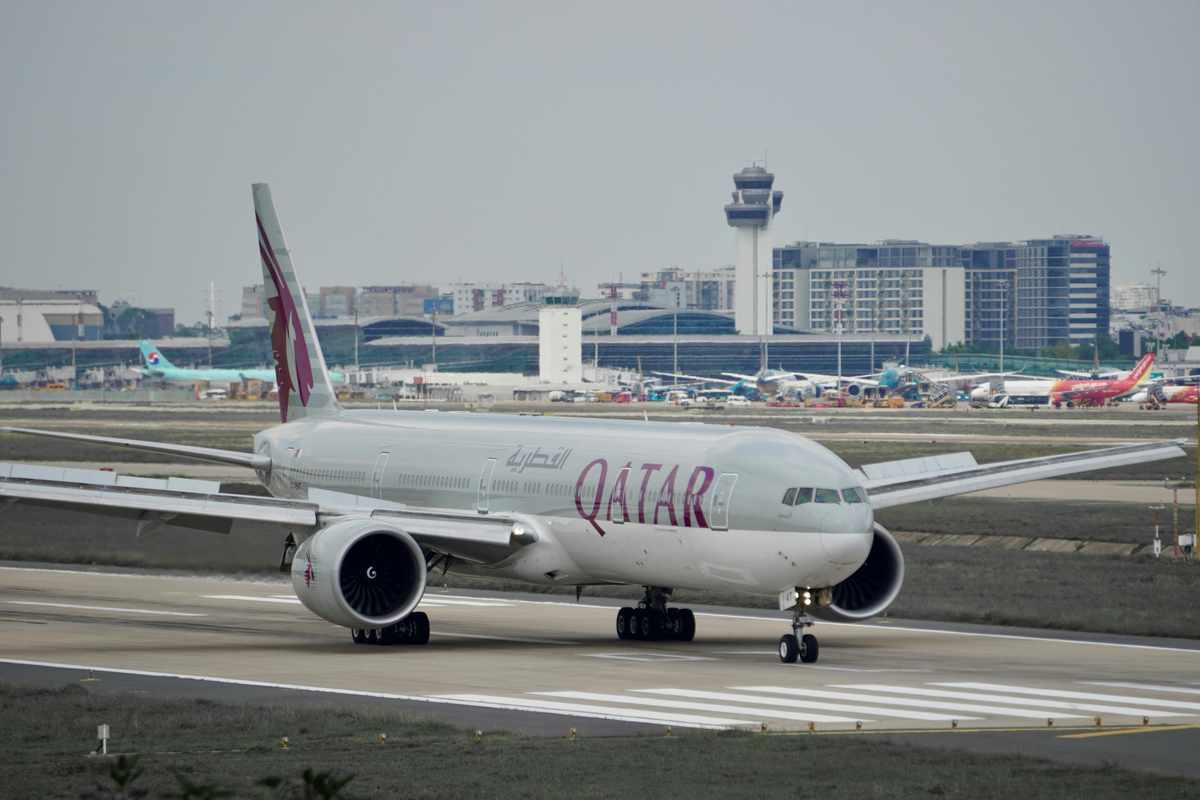
Late-February disruptions through the Gulf quickly rippled into popular holiday markets, where visitors often depend on connections via Doha, Dubai, and Abu Dhabi rather than direct long-haul flights.
In Thailand, the Ministry of Tourism and Sports moved to reduce the immediate financial impact on stranded visitors and to limit crowding and confusion at immigration counters and airports as cancellations piled up.
In the Maldives, the response centered on keeping tourists lawfully in status while airlines worked through backlogs at Velana International Airport, the main gateway for international arrivals.
Thailand’s Ministry of Tourism and Sports, led by Permanent Secretary Ms. Natthariya Thaweewong, activated force majeure provisions that apply when disruptions run over eight hours, creating a formal trigger for emergency support.
Under that framework, Thailand offered up to 2,000 baht ($63) per person per day to help cover extended stays, with a cap of 20,000 baht ($633) total per person.
The ministry’s approach signaled that authorities viewed the disruption as beyond travelers’ control, allowing officials and businesses to apply special terms designed for exceptional events.
Immigration authorities, under Pol Maj Gen Choengron Rimpadee, the deputy immigration police chief, waived overstay penalties and administrative fees for affected tourists whose departures were disrupted.
That waiver aimed to protect travelers caught by sudden cancellations from fines and other immigration consequences, while also easing pressure on officers who would otherwise need to process penalty cases.
Tourists can extend visas in 30-day increments at any immigration office, giving them a mechanism to remain in Thailand legally while they wait for rebooked flights or new routings.
Officials framed the measures as temporary and tied to the restoration of stable flight patterns, rather than a permanent shift in entry or overstay rules.
The aviation disruption hit routes via Dubai and affected four major airports, prompting crisis coordination with the Tourism Authority of Thailand, the Tourism Council of Thailand, and the Thai Hotel Association.
Those bodies worked with the hotel sector and tour operators to manage capacity and traveler needs, in part to avoid bottlenecks in the highest-traffic tourist areas.
Assistance in Thailand concentrated in Phuket, Krabi, Phang Nga, Chiang Mai, and Bangkok, reflecting the places where the tourism footprint is large and where stranded volumes can quickly strain rooms and transport.
Hotels and tour operators in those priority areas provided discounted rates and onward travel packages, as businesses tried to keep visitors housed and moving while schedules changed.
Provincial offices surveyed and assisted stranded guests, an operational layer intended to match available rooms and local services with travelers whose plans collapsed when flights were canceled.
Coordination across agencies and the private sector also aimed to preserve confidence among travelers who might otherwise face rising costs and uncertainty while waiting for their next flight.
In the Maldives, Maldives Immigration announced extensions for tourist visas for visitors unable to depart because of cancellations linked to the February 28 conflict.
Tourist visas are normally 30 days on arrival, and the extension policy aimed to prevent visitors from falling into irregular status when they could not leave as planned.
The immediate scale of disruption appeared at Velana International Airport (VIA), where affected tourists totaled over 4,000 across the weekend.
More than 1,000 affected tourists were at VIA on Saturday, plus 3,530 on Sunday, as cancellations and rebookings pushed passengers back into the terminal or into new queues for seats.
Maldives Immigration directed affected tourists to apply online via imuga.immigration.gov.mv, creating a remote pathway to secure the extension while flights remained in flux.
The online route was designed to keep travelers from having to rely solely on in-person processing at a time when airport staffing and counter space can come under strain during mass disruption.
Maldives Airports Company Limited (MACL) activated a disruption management center at VIA to coordinate the response, including crowd management, operational coordination, and passenger welfare support.
MACL repurposed the domestic terminal as a rest area, a step meant to provide space for delayed travelers during long waits.
The airport operator also provided essentials to 130 passengers remaining Saturday evening, reflecting the need for basic support as delays stretched into hours and overnight periods.
Maldives exposure to Gulf routing disruptions is heightened by the structure of its inbound travel market, where many arrivals depend on a limited set of connecting hubs.
About 35% of daily arrivals rely on Middle East hubs like Doha, Dubai, and Abu Dhabi, making disruptions in those air corridors particularly consequential for an island destination with heavy reliance on aviation.
The Transport Ministry planned additional airlines, an effort aimed at adding options when traditional routings become constrained by airspace restrictions.
The Maldives Tourism Ministry coordinated with airlines and agencies for new bookings and support until services resume, as operators attempted to move stranded travelers onto alternative flights.
Both countries’ immigration measures functioned as a safety valve while aviation systems worked through reroutes and cancellations that can cascade when aircraft and crews end up out of position.
For travelers, the practical effect is that immigration authorities in Thailand and the Maldives sought to remove penalties that could follow from a situation outside passengers’ control, especially when missed connections force longer stays.
Thailand’s combination of force majeure activation, daily financial support capped at 20,000 baht ($633), and waived overstay penalties created a package that addressed both cost pressures and immigration compliance.
The Maldives approach focused on visa extensions and an online application pathway, paired with airport support steps like the disruption management center and temporary rest facilities.
Officials linked the emergency posture to the late-February escalation and its aftermath, and the disruption remained ongoing as of March 3, 2026.
The broader episode reflected how quickly conflict-driven airspace closures can reach distant tourism economies, particularly where airline networks funnel passengers through a small number of hubs.
The source of the current disruptions traces to the February 28, 2026 strikes and retaliation, which set off flight cancellations and altered routings that stranded tourists far from their planned departure points.
The policies also addressed cancellations from Gulf tensions, including strikes killing Iranian Supreme Leader Ali Khamenei, with both countries prioritizing tourism stability amid ongoing disruptions as of March 3, 2026.
Travelers can expect official messaging to flow through immigration offices, airport advisories, and airline notices as authorities adjust to shifting flight availability and changing routings through the region.
For now, Thailand and the Maldives positioned their temporary immigration flexibility as a way to keep visitors lawful and supported while carriers and airports work through the disruption’s lingering effects.