- Kuwait Airways is operating special repatriation flights for citizens through Saudi Arabia to circumvent regional disruptions.
- The program is exclusive to Kuwaiti nationals, leaving foreign residents and visitors to seek alternative embassy assistance.
- Eligible passengers must register by March 6, 2026 to secure seats on flights from major international hubs.
(KUWAIT) — Kuwait Airways is operating special repatriation flights exclusively for Kuwaiti nationals, routing passengers into Saudi Arabia for onward land travel to Kuwait amid regional disruptions.
The carrier’s plan leaves non-Kuwaiti residents and foreign visitors in Kuwait without access to these Kuwait Airways repatriation seats, pushing them to seek help through embassies, other airlines or regional relief efforts.
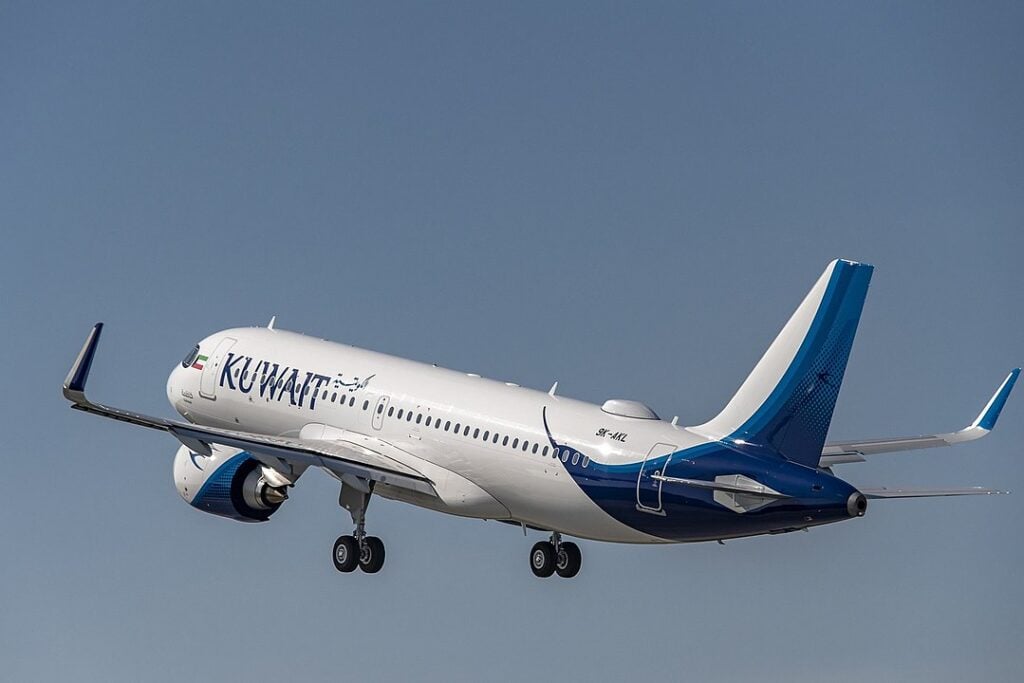
Kuwait Airways limited the flights to Kuwaiti nationals with pre-existing bookings or new tickets, and set a registration deadline of March 6, 2026.
Flights land in Saudi Arabia, primarily Jeddah, rather than flying directly into Kuwait, with travelers expected to continue by land after arrival.
The arrangement reflects operational constraints and wider disruptions affecting travel in the region, and it changes what return travel looks like for eligible passengers. A flight that would normally end in Kuwait instead becomes the first leg of a combined air-and-land journey.
Saudi transit also adds planning pressure for families trying to reunite quickly, because border processing and onward transport can take time. Some passengers may face waiting periods, including potential overnight waits, depending on onward land arrangements.
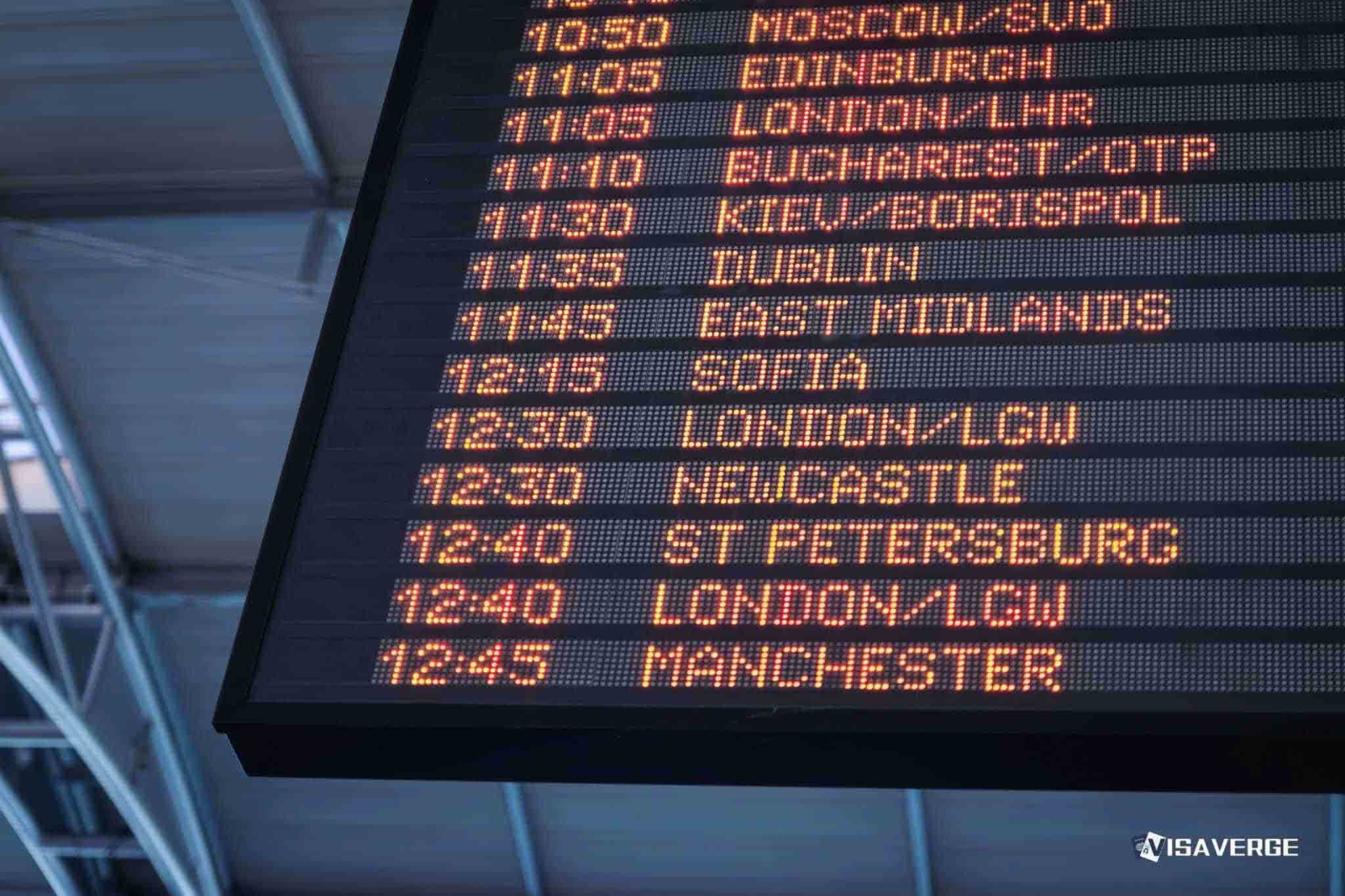
Kuwait Airways listed departure cities including Manchester, London, Barcelona, Munich, Paris, Milan, Istanbul, Manila, Cairo, and Amman. Those flights funnel passengers into Saudi Arabia before they move overland toward Kuwait.
Arriving in Saudi Arabia for land travel means passengers should anticipate checks and paperwork associated with crossing borders by road, not only by air. Airline staff may require additional documentation typical of cross-border land onward travel.
Eligibility remains limited to Kuwaiti nationals, a restriction that shapes how quickly people can secure a route home as conditions shift. Kuwaitis can use existing valid tickets or book new ones, as allowed by the carrier’s process.
The March 6, 2026 registration cutoff sets a short window for those still weighing whether to travel, delay, or switch routings. It also forces quick decisions for Kuwaitis abroad who may need to reposition to one of the listed departure cities.
Non-Kuwaitis stranded in Kuwait, including expatriate workers and visitors, do not qualify for this program and cannot register for the Kuwait Airways Kuwaiti-only repatriation flights under the announced plan. With no dedicated government repatriation flights for expatriates or visitors, many must pursue separate channels.
Embassies and consulates remain the primary option for non-Kuwaitis seeking evacuation assistance, visa extensions, or coordination with relief flights. The situation varies by nationality, and some governments have activated emergency protocols through regional hubs.
The available examples include Nepal and Sri Lanka using regional hubs, reflecting how some countries route people through nearby airports rather than directly from Kuwait. Embassy processes may require emergency registration systems to prioritize seats when capacity is limited.
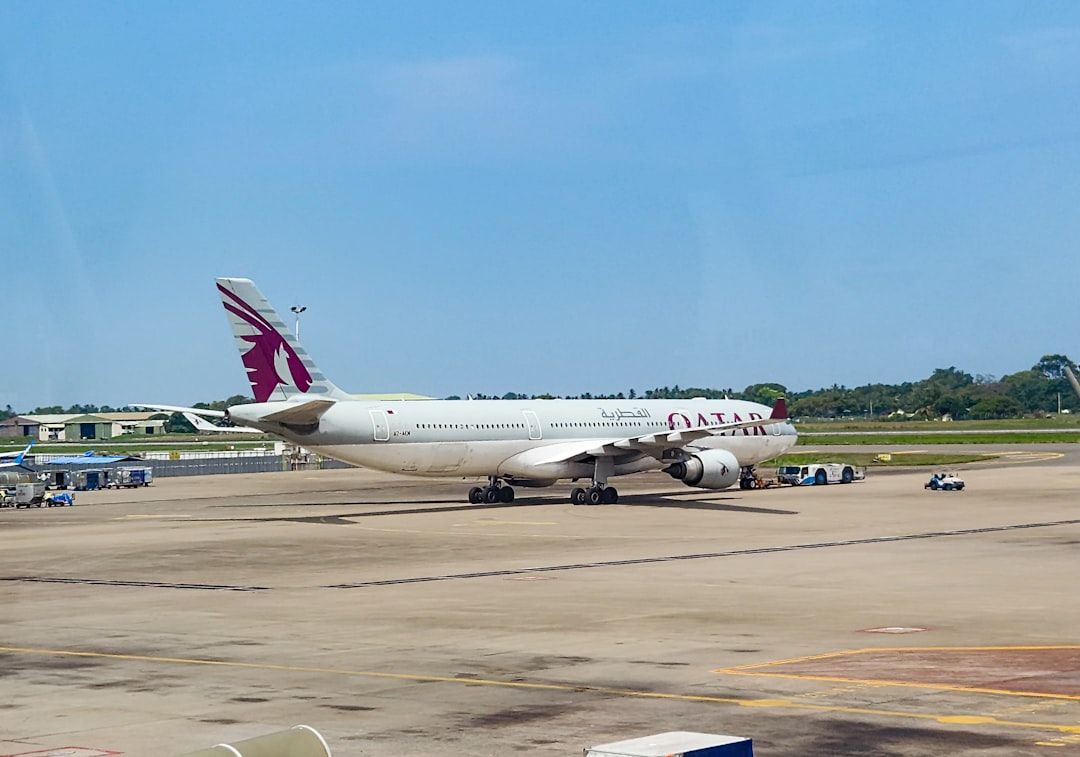
Other airlines may provide indirect options for those who cannot access Kuwait Airways repatriation flights, though routes can change quickly. Qatar Airways is launching limited services for stranded passengers from nearby hubs like Doha, and travelers are watching for possible Kuwait connections.
For some, land routes may offer another path out, but they depend on border rules and documentation. People weighing that option have looked at coordinating bus or private transport to Saudi Arabia or other Gulf states with open borders, then connecting to commercial flights.
Local support can also shape what is feasible while flights remain constrained, especially for workers tied to employers and sponsors. Employer or host sponsor assistance, along with community networks, can help stranded people secure transport, temporary housing, or updated guidance.
Kuwaiti authorities may extend residency deadlines or provide temporary shelter, adding another layer to what expatriates must track while they wait for departures. Stranded residents have been advised to contact Kuwait’s Ministry of Interior helplines or residence affairs for updates on expatriate policies.
Regional airspace issues, including drone incidents, oil spills, and embassy evacuations, are driving the measures that led Kuwait Airways to adopt the Saudi routing. Those disruptions have also complicated planning for travelers who normally rely on direct routings through the Gulf.
As of March 5, 2026, there is no unified plan announced for non-citizen repatriation via Kuwait Airways, leaving embassies and commercial alternatives as the main routes. The lack of a single framework has made the divide between citizens and non-citizens more pronounced in practice.
Time pressure remains central for eligible registrants, because the carrier tied access to a short registration period and the operating environment remains unsettled. Missing the March 6, 2026 deadline could close off the Kuwait Airways channel for Kuwaitis who are still abroad or stranded outside routine connections.
Kuwait Airways directed passengers seeking assistance to contact its call center and messaging service, offering separate options for callers inside and outside Kuwait. The airline listed 171 for calls inside Kuwait.
For callers outside Kuwait, Kuwait Airways provided +965 24345555 ext. 171, and it listed WhatsApp +965 1802050. Non-Kuwaitis seeking a way out have been told to prioritize their embassy or consulate and any official relief channels their governments set up.