- South Korean officials and tech giants met to address U.S. visa hurdles impacting critical semiconductor and battery manufacturing investments.
- Operational delays are rising as firms struggle with unpredictable entry screenings and stay-procedure compliance for essential technical staff.
- The government plans additional industry-specific meetings for the automobile and shipbuilding sectors to resolve ongoing mobility bottlenecks.
(SEOUL, SOUTH KOREA) — South Korea’s government brought major semiconductor and battery companies together in Seoul on February 25, 2026, to press for solutions to U.S. visa issuance, entry screening and stay-procedure frictions as Korean firms dispatch more staff to support investments in the United States.
Officials from the Ministry of Trade, Industry and Resources, the Ministry of Foreign Affairs and the Ministry of SMEs and Startups jointly hosted the session at the Korea Chamber of Commerce and Industry, focusing on hurdles companies say are growing more disruptive as U.S. manufacturing footprints expand.
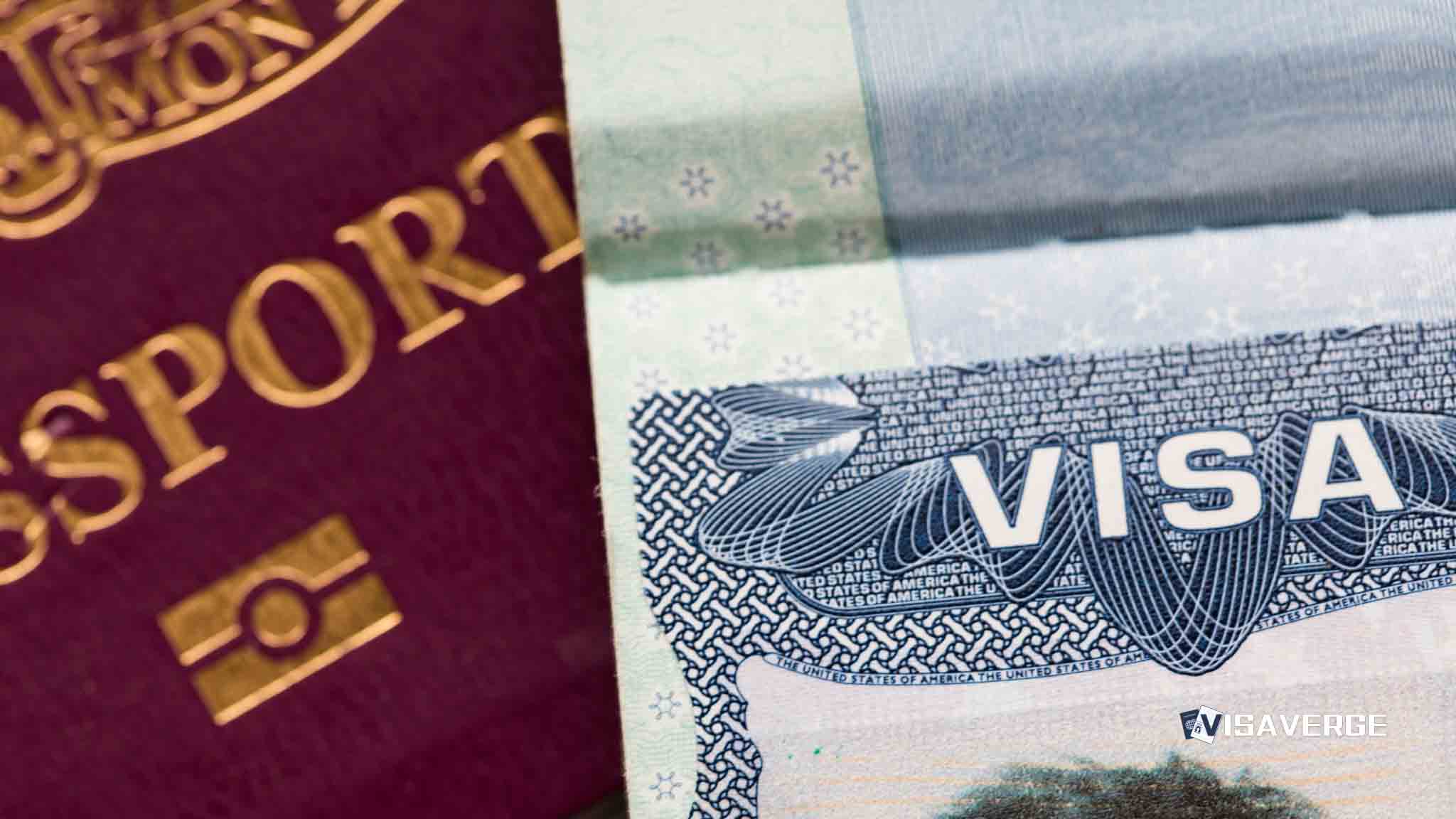
Rising U.S.-bound dispatches have turned immigration processes into an operational constraint, with firms flagging delays and uncertainty around visas, tougher screening at ports of entry and compliance questions tied to staying and working within permitted status.
Companies and officials framed the issues as practical barriers that can slow on-site work, complicate repeat travel and create ambiguity about what technical staff can do once they arrive, especially when projects demand rapid, short-notice visits.
Battery and semiconductor businesses have felt the strain acutely because factory construction and ramp-ups rely on engineers and technicians who install, test and service equipment, often moving back and forth across borders and sometimes needing longer stays than typical business travel.
Attendance spanned major electronics, memory and battery manufacturers and materials suppliers, including Samsung Electronics, SK hynix, LG Energy Solution, Samsung SDI, SK On, LG Chem, Dongwha Electrolyte and Enchem.
Industry groups also joined, including the Korea Battery Industry Association and the Korea Semiconductor Industry Association, as companies pushed for smoother mobility for technical staff who support U.S. sites and supplier ecosystems.
Government officials briefed participants on recent U.S. entry and stay policy trends, as part of an effort to ensure companies had current information on shifting procedures that can affect whether travelers clear inspection and how they remain compliant after arrival.
Firms raised improvement requests tied to visa processing and immigration hurdles, focusing on predictability and clearer guidance that aligns with operational realities such as dispatching engineers and technicians for installation and servicing work and managing repeat travel.
Officials committed to continue consultations with U.S. authorities based on the issues and requests raised by industry, positioning the Seoul meeting as a channel for companies to consolidate problems and feed them into government-to-government discussions.
The government also outlined next steps aimed at widening the scope beyond the largest investors, saying it plans additional industry-specific relay meetings in the first half of 2026 that will cover automobiles and shipbuilding.
That expansion is designed to draw in partner companies and suppliers as well as flagship investors, reflecting concerns that bottlenecks can emerge across a broader ecosystem when smaller firms face the same entry and stay constraints but have fewer resources to manage them.
The urgency around mobility has been building since a bilateral U.S.-Korea visa working group launched on October 1, 2025, created to address recurring problems affecting business travel and the movement of personnel supporting cross-border operations.
As part of that effort, the working group clarified B-1 business visas and ESTA visa waiver use for activities like equipment installation and servicing, an area that companies have treated as essential for short-term technical visits linked to factory start-ups and maintenance.
Industry attention sharpened further after a September 4, 2025, ICE raid at the Hyundai Motor Group-LG Energy Solution $4.3 billion battery plant in Ellabell, Georgia, where over 300 Korean workers were detained, most of whom were using visitor visas improperly.
Workers were released within a week via diplomacy, but the episode underscored how quickly compliance failures or misunderstandings around permissible activities can disrupt projects and trigger legal exposure for employers and employees.
South Korean companies have increasingly tied U.S. investment plans to tight construction and commissioning schedules, making the ability to rotate technical support teams and troubleshoot equipment problems a time-sensitive need rather than an administrative afterthought.
When visa issuance timelines become unpredictable, firms can struggle to staff critical phases of installation and testing, and repeated delays can cascade through supplier coordination, according to the issues discussed at the Seoul meeting.
Port-of-entry screening adds another layer of uncertainty for travelers whose trips sit at the intersection of business meetings and hands-on technical work, especially when projects require specialized tasks that companies view as necessary to keep production schedules on track.
Stay-procedure complications can also force companies to re-plan staffing around permitted duration and status compliance, turning immigration administration into a project-management variable that can affect how long teams can remain on the ground.
Government officials’ decision to convene trade, foreign affairs, and SME and startup portfolios reflects how the problem spans investment strategy, diplomatic engagement and the needs of smaller firms that support large manufacturers through equipment, materials and specialized services.
The inclusion of the SMEs and Startups ministry also signals a focus on partner companies that may send fewer people but often need rapid deployment windows to meet contractual obligations at U.S. sites, where missed timing can mean delayed handovers or prolonged commissioning.
Battery makers and semiconductor producers have built complex supplier networks that depend on frequent travel for troubleshooting and process tuning, and company representatives have pushed for clearer rules around permissible activities under common travel categories.
Officials’ briefings on U.S. entry and stay trends were intended to help firms anticipate points of scrutiny and prepare documentation and travel plans that match current procedures, while government agencies collect on-the-ground feedback about where the friction concentrates.
The Seoul meeting also highlighted how immigration constraints can hit not only initial plant build-outs but also steady-state operations, when equipment upgrades, unexpected downtime or quality issues require rapid dispatches and repeat trips.
By planning relay meetings for automobiles and shipbuilding, South Korea’s government indicated it sees similar patterns in other export-heavy sectors that are expanding in the United States and may face comparable mobility obstacles as they scale local manufacturing and service operations.
Expanding participation to partner companies and suppliers aims to reduce the risk that policies and consultations address only the needs of the biggest investors, leaving smaller firms to absorb delays and compliance uncertainty that can still derail project timelines.
For companies, the immediate stakes center on how reliably they can move technical staff in and out of U.S. sites without interruptions tied to visa processing, entry inspection outcomes or misalignment between planned work and permitted activities.
For the government, the next test will come in consultations with U.S. counterparts and in whether follow-on sector meetings surface consistent pain points that can be translated into clearer guidance and more predictable procedures without promising any specific policy changes.
The broader push reflects a simple operational reality voiced by companies at the meeting: as Korean investment and manufacturing activity in the United States expands, staffing needs are accelerating at the same time that screening and compliance expectations are becoming harder to manage.