(KANSAS) — Kansas flyers are entering a new reality at the airport checkpoint: show up with a TSA-accepted ID and breeze through, or arrive without one and pay for TSA’s new Confirm.ID process. If you care about elite status, upgrade lists, or protecting award tickets, this isn’t just a paperwork story. It’s a “will I make my flight” story, and that can swing your miles and your wallet fast.
for kansas residents, the fork in the road is simple:
- Path 1: Get a Kansas REAL ID (or carry another TSA-accepted ID). This is the durable solution for day-to-day domestic flying.
- Path 2: Use TSA Confirm.ID when you show up without acceptable ID. This is designed for last-minute, “I forgot my ID” situations, not as a long-term substitute.
Confirm.ID matters because it changes what happens when you arrive at the checkpoint unprepared. In the past, some travelers rolled the dice with alternative screening. Now there’s a defined program, with a defined payment step, and a defined processing flow.
That extra friction can be the difference between making boarding and watching your upgrade clear without you.
1) Overview: the TSA choice facing Kansans in 2026
If you plan to upgrade to a REAL ID, gather identity, lawful status, and Kansas residency documents before you go. Booking a DMV appointment (when available) and double-checking document rules can prevent a wasted trip and delays close to the TSA enforcement deadline.
Kansas travelers are making this decision now because domestic checkpoint rules are no longer theoretical. REAL ID compliance is the baseline for state driver’s licenses at TSA security. If your license is not compliant, you need another acceptable credential.
That’s where Confirm.ID comes in. Think of it as a paid identity verification option for travelers who arrive without a compliant license or another acceptable ID. It is not meant to replace carrying ID on every trip. It is meant to prevent a bad morning from becoming a cancelled trip.
Here’s the practical travel angle. A missed flight can trigger:
- Same-day rebooking costs, even on “flexible” tickets.
- Lost upgrade priority on the next departure.
- Broken connections that wipe out mileage-earning segments.
- Award ticket headaches if you miss the first leg.
If you fly often, this becomes a loyalty story quickly.
2) The Kansas REAL ID option: “set it and forget it” for frequent flyers
A Kansas REAL ID is a state-issued driver’s license (or ID card) upgraded to meet federal standards. At the tsa checkpoint, it functions as a normal ID for domestic travel.
For most frequent flyers, REAL ID is the low-drama play because it’s tied to your license cycle. You handle it once, then you stop thinking about it on every trip.
The biggest planning issues are practical, not strategic:
If you’re relying on Confirm.ID because you’re arriving without acceptable ID, build in extra buffer time for identity verification and screening. Pre-paying online (when possible) and carrying any backup documentation you have can reduce the chance of delays that could cause a missed flight.
- You need the right documentation.
- You need time for a DMV visit.
- You need to confirm your new card is the compliant version before you fly.
If you’re chasing status, that reliability matters. Status runs and tight turns only work when security is predictable. REAL ID keeps your travel day boring. Boring is good.
⚠️ Heads Up: If you’re changing your legal name, address, or citizenship documents, fix that before your REAL ID appointment. It can save you a second trip.
3) TSA Confirm.ID: what it is, who it’s for, and what to expect
Add both milestones to your travel checklist: the REAL ID enforcement date affects anyone who flies domestically, while the Confirm.ID start date mainly matters if you anticipate traveling without acceptable ID. Plan upgrades and renewals well before busy travel seasons.
TSA Confirm.ID is built for a specific traveler: someone who arrives at the airport without a REAL ID-compliant license and without another TSA-accepted ID.
This is the important framing. Confirm.ID is not a “new ID.” It’s a paid process that can allow you to proceed through identity verification during a defined travel period. It does not replace the convenience of having an acceptable credential in your pocket.
Operationally, you should expect three things:
- Payment is part of the workflow. TSA recommends paying online in advance. Airport payment may be possible, but it adds risk when time is tight.
- Extra processing time is likely. TSA has warned Confirm.ID users to expect additional screening time. They’ve cited up to about half an hour in some cases.
- Your stress level goes up. Even if you clear, you’re starting your trip behind the pace of travelers with compliant ID.
For loyalty travelers, that time hit has knock-on effects. Missed boarding can mean your upgrade clears to someone else. It can also mean your paid seat assignment disappears if you’re reprotected on a later flight.
4) Practical implications and a real-world “break-even” way to think about it
Most Kansans don’t decide between REAL ID and Confirm.ID based on policy. They decide based on how often they fly, and how much they hate travel-day uncertainty.
Here’s a traveler-first way to frame it.
If you fly multiple times per year
A durable ID solution wins almost every time. You’re not just avoiding a per-use fee. You’re avoiding:
- “Arrive extra early” math on every trip.
- The risk of missing boarding on tight schedules.
- Rebooking exposure during storms and irregular operations.
This is especially true if you do early-morning departures from Wichita (ICT) or Kansas City (MCI). Morning banks can be unforgiving if you show up late to security.
If you fly once in a while
Confirm.ID can feel tempting because it’s there “just in case.” The catch is that it only helps when everything else goes right. You still need enough buffer time, and you still need a plan if the line is long.
A lot of infrequent travelers already have a better option, though. If you have a passport or passport card, you may not need either REAL ID or Confirm.ID for domestic flying.
If you fly for work, or you’re chasing status
This is where loyalty math gets real. One disrupted trip can cost you:
- Segments you needed for status thresholds.
- Spend credit you expected to post.
- Upgrade opportunities you’ve been planning around.
- Meeting-day flexibility, which often forces expensive last-minute tickets.
Even if you’re earning miles by spend, not distance, you can’t earn on a flight you miss.
“Earning rate” comparison: this isn’t a traditional miles-per-dollar change. It’s a reliability change that affects how often you actually fly what you booked.
| Traveler situation | With TSA-accepted ID (REAL ID, passport, etc.) | Using Confirm.ID after arriving without ID |
|---|---|---|
| Likelihood you make boarding on a tight schedule | Higher | Lower, due to added steps |
| Risk of same-day rebooking costs | Lower | Higher |
| Chance you lose an upgrade to the next person | Lower | Higher |
| Odds you keep a mileage run intact | Higher | Lower |
Competitive context matters here. This isn’t Kansas “being strict.” REAL ID is a federal standard, and TSA checkpoint rules apply nationwide. The differentiator is your preparedness, not your home airport.
5) Eligibility and alternatives: many Kansans already have a simpler option
REAL ID and Confirm.ID are getting the headlines, but they aren’t the only ways to satisfy TSA at a domestic checkpoint.
Many travelers can skip the whole debate by carrying another TSA-accepted credential, such as:
- U.S. passport book
- U.S. passport card
- U.S. military ID
- Certain trusted traveler or federal IDs that TSA accepts
The practical advantage is flexibility. A passport works in every state, works for international trips, and avoids “is my license the right version?” second-guessing at the checkpoint.
Where each option fits best:
- REAL ID: Best if your driver’s license is your daily ID and you fly often.
- Passport/passport card: Best if you already have it, or you travel internationally.
- Confirm.ID: Best as a backstop for the day you forget your wallet, or your ID is lost.
If you’re a points-and-miles traveler, there’s another angle. A passport unlocks international redemptions that often beat domestic value. If you’re eyeing partner awards to Europe or Asia, a passport is table stakes anyway.
6) Key dates to track, plus what to do before each milestone
Two timing items matter for Kansas flyers:
- The TSA checkpoint milestone when REAL ID-compliant credentials become required for domestic flights if you’re using a state license.
- The launch of Confirm.ID, which changes what happens if you arrive without acceptable ID.
Here’s the practical action plan for Kansas travelers:
- Before your next domestic trip, check your wallet. Confirm your driver’s license is REAL ID-compliant or pack a passport.
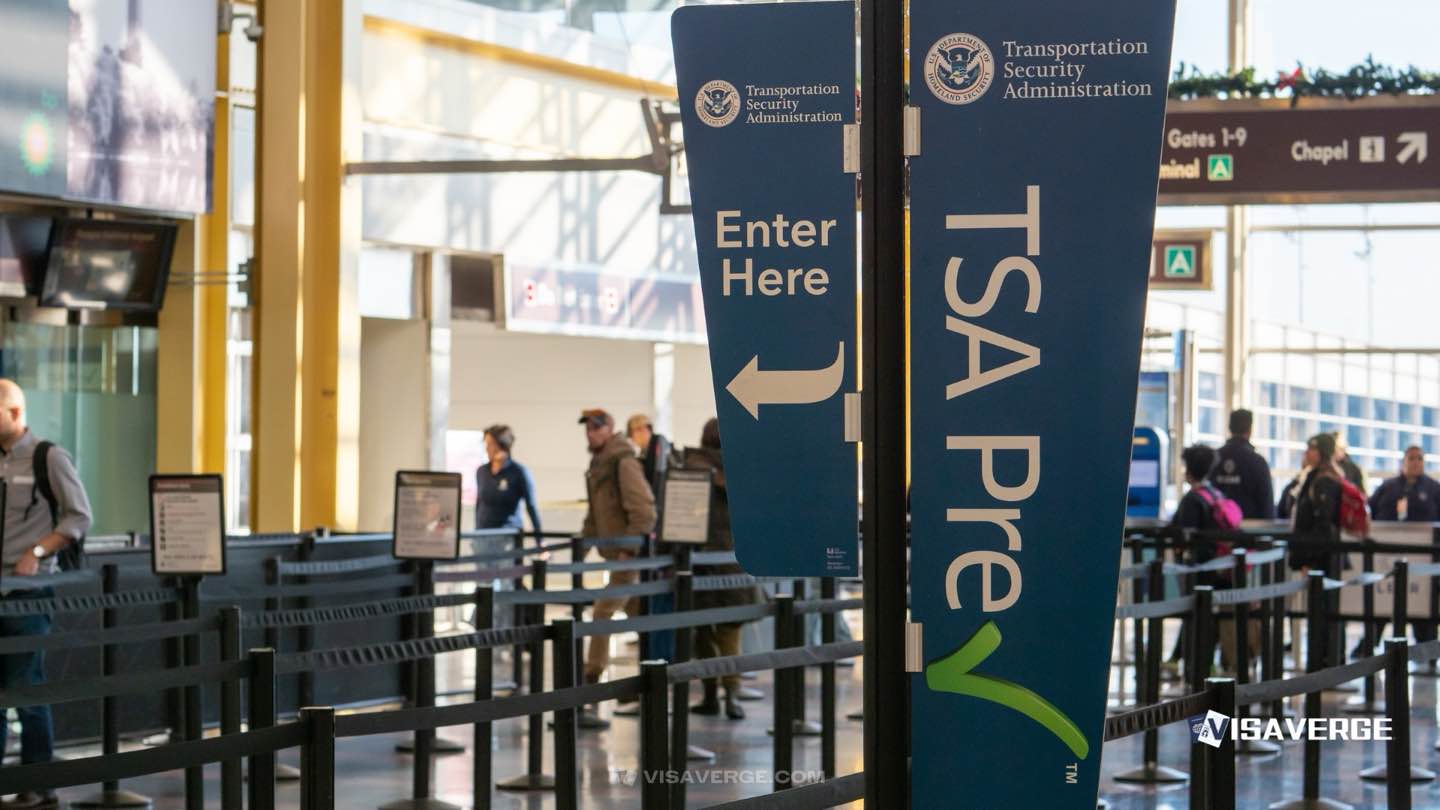
- If you’re a frequent flyer, schedule the REAL ID upgrade. Treat it like renewing PreCheck: one errand that buys you years of easier travel.
- If you’re an infrequent flyer, pick a durable backup. A passport card can be a stress-saver on domestic trips.
- Know what Confirm.ID is for. It’s there for the day things go sideways, not as your default plan.
If you have spring-break flights, status runs, or tight same-day turns on the calendar, handle your ID plan now—because the worst time to learn the rules is when boarding starts in 20 minutes.
TSA is implementing stricter identity requirements for Kansas travelers. Residents must soon use a REAL ID-compliant license or a federal alternative like a passport. For those arriving unprepared, the new Confirm.ID service offers a paid, temporary verification path. However, this process adds time and stress, potentially causing missed flights and lost loyalty upgrades. Choosing a permanent ID solution ensures smoother travel and protects airline status investments.