- A federal judge issued a preliminary injunction blocking the Trump administration from detaining 5,600 Minnesota refugees.
- Judge Tunheim ruled the government lacks authority for mandatory or prolonged detention without specific removal charges.
- The court order mandates that refugees cannot be arrested solely for lacking a green card.
(MINNESOTA) — U.S. District Judge John Tunheim in Minneapolis on March 2, 2026, converted an earlier temporary restraining order into a preliminary injunction that blocks the Trump administration from arresting or detaining Minnesota’s approximately 5,600 refugees under Operation PARRIS solely for lacking lawful permanent resident status (green cards).
Tunheim’s order covers a putative class of Minnesota refugees admitted legally via the U.S. Refugee Admissions Program, including many with pending green card applications, and it keeps the court’s restrictions in place as the case moves forward.
In his ruling, Tunheim wrote that the policy would “terrorize” refugees and “turns the refugees’ American Dream into a dystopian nightmare,” concluding that federal statutes do not authorize mandatory or prolonged detention of unadjusted refugees who have not been charged with removal grounds.
The preliminary injunction extends and strengthens a temporary restraining order that Tunheim issued January 29, 2026, after refugees and legal organizations sued to stop the detentions tied to the new enforcement operation.
Under the January 29 order, the court mandated immediate release of all detained refugees, including those transferred to Texas, and required their return to Minnesota within five days; the March 2 injunction keeps those protections in effect pending further litigation.
The legal fight turned in part on a custody theory the government raised during the rollout of the operation, including a February 18, 2026, DHS memo asserting refugees must return to federal custody one year post-admission for green card review.
Tunheim deemed that approach unauthorized by Congress and constitutionally problematic, rejecting the idea that the administration could impose a detention requirement for refugees after admission without statutory authorization.
Operation PARRIS began January 9, 2026, led by USCIS and DHS under the name Post-Admission Refugee Reverification and Integrity Strengthening, and it set out to reexamine refugee cases after entry through new background checks, verifications, and reinterviews.
The operation initially focused on Minnesota’s 5,600 unadjusted refugees admitted 2021-2025, a group that includes refugees who have not yet adjusted to lawful permanent resident status.
Operation PARRIS followed Operation Twin Shield, described as a fraud investigation, and Operation Metro Surge, which involved ~3,000 DHS agents, and it was tied to Executive Order 14161 and Presidential Proclamation 10949 as part of an enhanced screening posture.
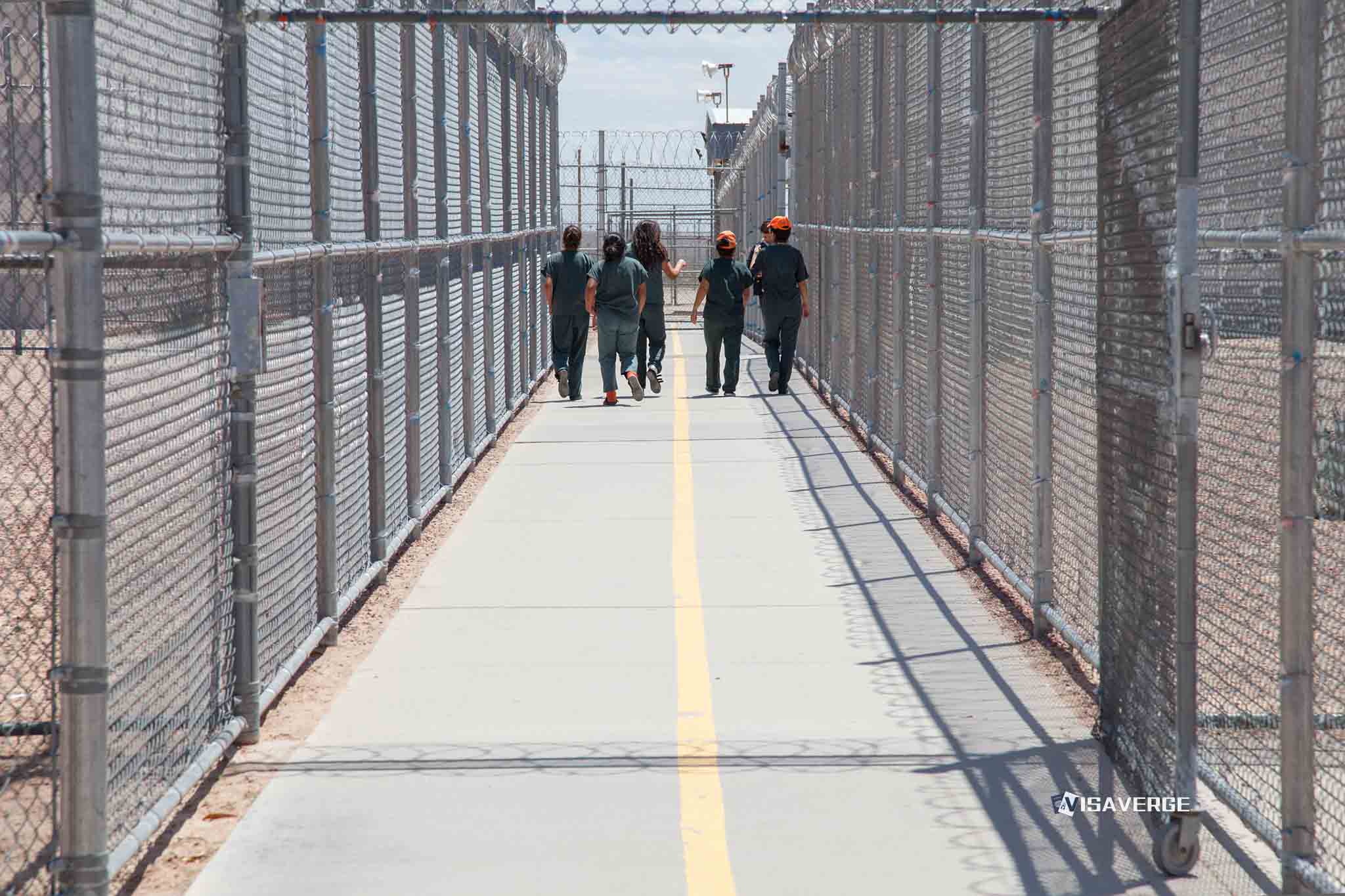
Before the court intervened, filings and public accounts described more than 100 refugees being detained without charges, including children, with people identified as coming from Somalia, Central America, Asia, Africa, and Europe.
Those accounts said refugees often were transferred to Texas within 24 hours, a pace that plaintiffs and advocates argued made it harder for families to locate detained relatives and for lawyers to reach clients before they were moved across state lines.
The same accounts included allegations about treatment during detention and release logistics, including shackling and people being released onto the street, details plaintiffs used to argue that the operation’s methods compounded fear and instability in refugee households.
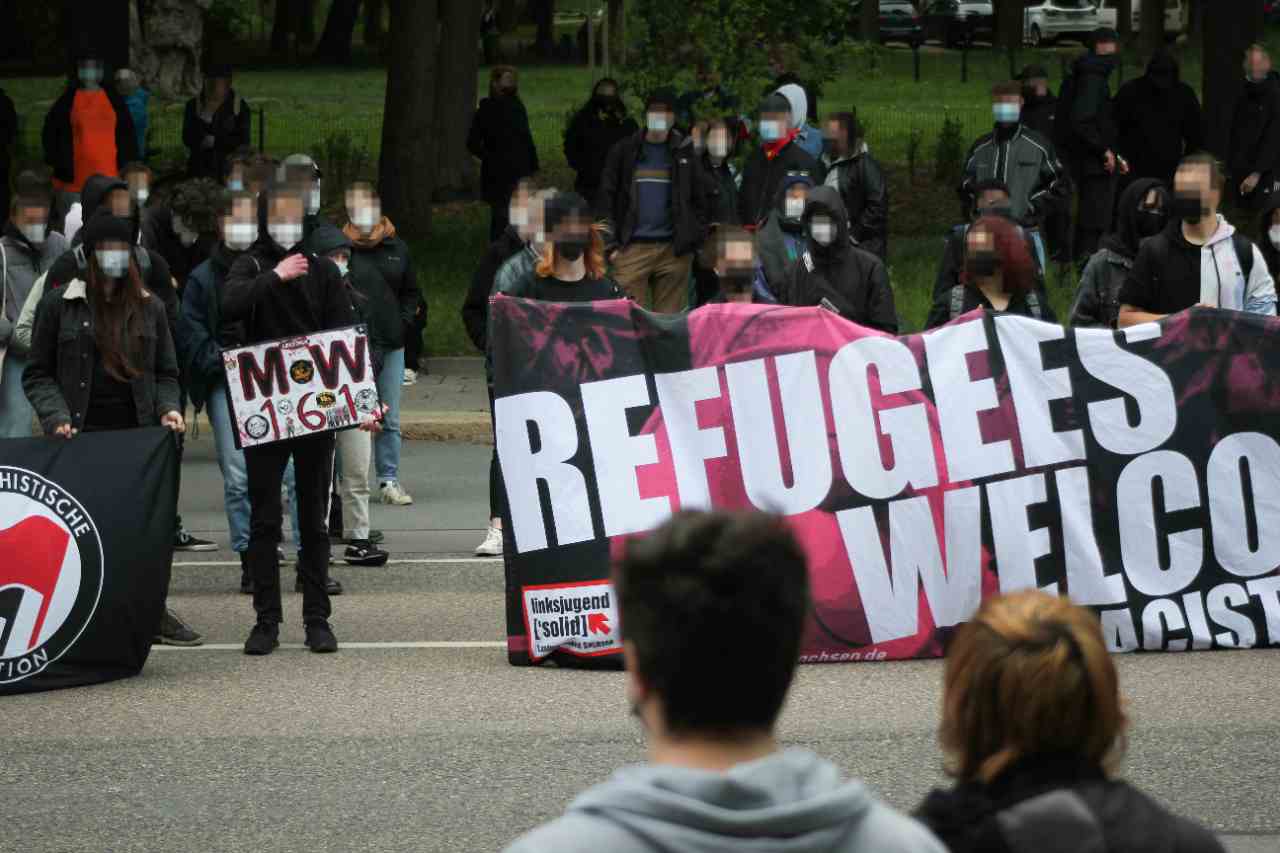
Refugees and groups including the International Refugee Assistance Project (IRAP), Berger Montague, the Center for Human Rights and Constitutional Law (CHRCL), and Advocates for Human Rights brought the class-action challenge, arguing the government lacked authority for what they described as detentions untethered to any charged removal grounds and raising due process concerns.
Minnesota Attorney General Keith Ellison supported the challenge through an amicus brief filed February 6, 2026, alleging harms to the state economy, education, health, safety, and civic life, including claims that refugees avoided essentials out of fear.
Kimberly Grano of IRAP said the ruling meant refugees can “live their lives without fear,” while Danilo Zak of Church World Service called it protection from “brutal tactics.”
DHS/USCIS responded in a March 2, 2026, statement that labeled the ruling a “lawless and activist order,” while affirming the administration’s commitment to fraud detection and public safety, as the preliminary injunction continues to govern how the agencies can conduct Operation PARRIS in Minnesota while litigation proceeds.