(SAN FRANCISCO) — If you’re flying the Pacific this winter, Japan Airlines’ latest incident is a sharp reminder to keep your seatbelt fastened even when the cabin looks calm. Japan Airlines Flight JL-57 from San Francisco to Tokyo hit severe turbulence on Dec. 22, 2025, injuring a flight attendant and prompting a formal accident investigation in Japan.
Japan Airlines Flight JL-57 was operating a scheduled San Francisco International Airport (SFO/KSFO) to Tokyo Narita (NRT) service on a Boeing 787-9 Dreamliner when it encountered turbulence over the Pacific Ocean. One cabin crew member suffered a fracture to the right medial cuneiform bone in her foot. No passengers were reported injured, and the flight was not reported to have diverted.
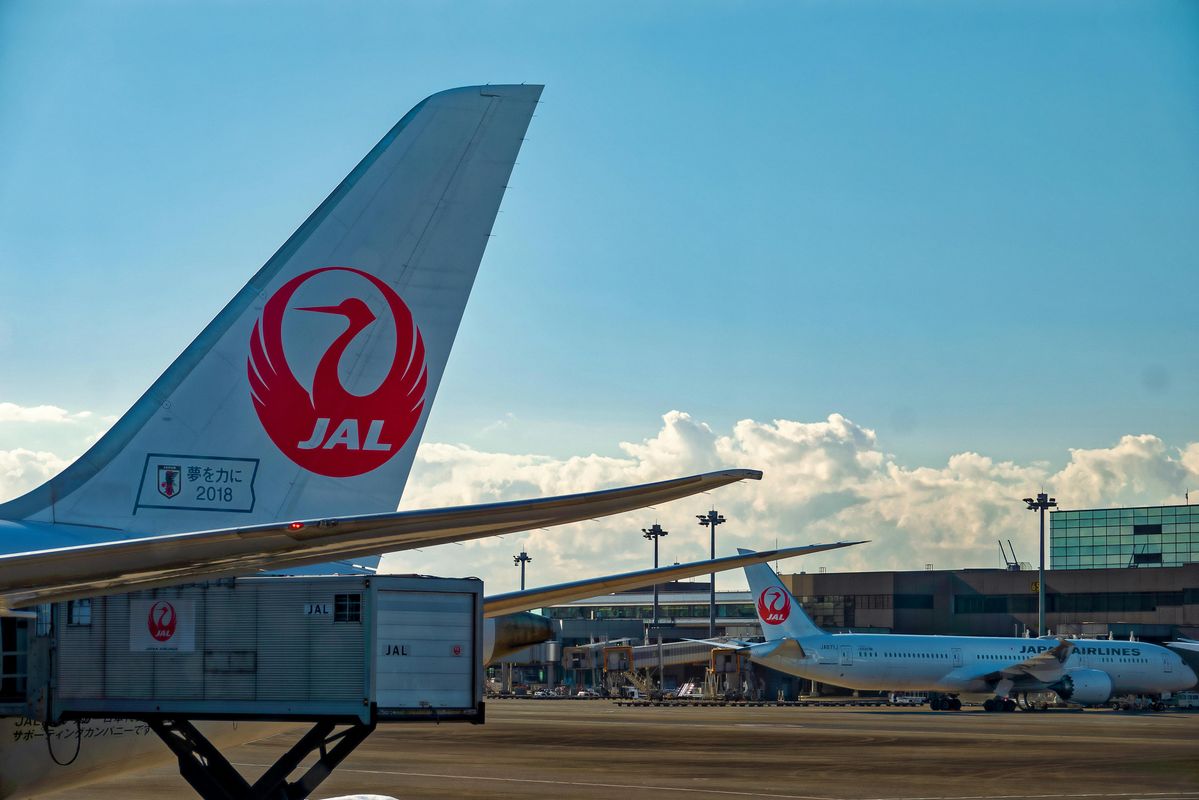
Japan’s Ministry of Transport classified the event as an “accident,” and the Japan Transport Safety Board (JTSB) is leading the investigation. Japan Airlines has not reported any damage to the aircraft.
What happened on JL-57
The turbulence occurred while the aircraft was en route and northeast of Tokyo, after the fasten seatbelt sign had already been activated. The injured flight attendant was returning to her seat after checking the lavatory for passengers.
There were 198 people onboard. Authorities reported zero fatalities.
Japan Airlines was operating the flight with Boeing 787-9 registration JA865J (manufactured in 2016). The incident was first noted in reports around 17:15 GMT on Dec. 22, with injury details confirmed in updates released between Dec. 26 and Dec. 29.
| Detail | Information |
|---|---|
| Flight | Japan Airlines Flight JL-57 |
| Route | San Francisco (SFO) → Tokyo Narita (NRT) |
| Date | Dec. 22, 2025 |
| Aircraft | Boeing 787-9 (JA865J) |
| People onboard | 198 |
| Injuries | 1 crew member (foot fracture) |
| Fatalities | 0 |
| Outcome | Flight continued; no aircraft damage reported |
Why travelers should care, even if the flight landed normally
Most turbulence stories never make headlines unless someone gets hurt. The practical takeaway is simple: turbulence can strike with little warning, even on long-haul routes that feel routine.
The seatbelt sign isn’t a guarantee of smooth air. Turbulence can strike unexpectedly, so keep your belt fastened low and snug whenever you’re seated, even if the cabin looks calm.
On ultra-long flights like SFO–Tokyo, passengers and crew are moving around the cabin more. That increases the chance of injuries during sudden jolts. Many turbulence injuries happen during otherwise “normal” cruise conditions.
⚠️ Heads Up: The seatbelt sign is not a guarantee of smooth air. Keep your belt buckled low and snug anytime you’re seated.
What this means for your next transpacific booking
For passengers, the immediate disruption risk appears limited. There was no reported diversion, cancellation, or mass rebooking tied to JL-57. Still, incidents like this often lead to tighter cabin procedures across an airline, at least temporarily.
You may notice:
- Earlier meal cutoffs when turbulence is expected
- Longer periods with the seatbelt sign on
- Reduced cabin movement and delayed drink service
If you’re connecting onward in Tokyo, build a little buffer. A flight that continues after turbulence can still arrive with minor delays due to medical response and reporting steps.
Miles and points angle: what changes, and what doesn’t
Because JL-57 was not reported to have cancelled or diverted, this event likely doesn’t change how many miles you earn on a paid Japan Airlines ticket. Earnings depend on your fare class and the program you credit to.
If you’re crediting to JAL Mileage Bank, you’ll earn based on JAL’s accrual rules for your booking class. If you’re crediting to a oneworld partner program, partner earning charts apply.
Where frequent flyers should pay attention is irregular operations protections, especially when you book with miles:
- If your award ticket is issued by a partner program, rebooking options can be more limited than a JAL-issued award.
- If you have elite status in a oneworld program, airport support and reaccommodation priority can be better during disruptions.
- Travel insurance that covers medical issues onboard can matter more than a few thousand extra miles earned.
In plain terms, the miles don’t change. Your backup plans should.
Competitive context: turbulence is hitting everyone, not just JAL
Japan Airlines is not an outlier. Severe turbulence reports have been rising across global networks, including the North Pacific tracks used by carriers flying SFO to Tokyo, Seoul, and beyond.
Most major airlines now emphasize a “belt-on when seated” posture, even when service continues. Some carriers are also more conservative about pausing service early when turbulence is forecast.
On the SFO–Tokyo market, Japan Airlines competes with other transpacific operators. Across the board, you’ll see similar safety messaging. The day-to-day difference is often execution, not policy.
Practical safety tips for long-haul flyers
You can’t control the air. You can control your routine onboard.
If you’re booking with miles, check your award rules and partner protections. Rebooking options and elite status impact can matter more during disruptions than the exact miles earned.
💡 Pro Tip: Use the lavatory soon after meal service, then stay seated. Turbulence often pops up mid-flight when people start moving around again.
A few other habits help:
- Keep your seatbelt fastened anytime you’re seated, even while watching a movie
- Avoid standing in aisles while waiting for the lavatory
- Stow heavy items so they can’t fly out during a jolt
- If you’re traveling with kids, keep their belts snug and check them often
If you’re flying SFO–Tokyo in the next few weeks, pack patience for longer “seatbelt sign on” periods and plan your in-cabin movement around them. The safest move is also the easiest one: stay buckled whenever you’re in your seat.
Japan Airlines Flight JL-57 from San Francisco to Tokyo encountered severe turbulence on December 22, 2025, resulting in a foot fracture for one flight attendant. The Japan Transport Safety Board is investigating the incident, which occurred northeast of Tokyo. Despite the injury, the Boeing 787-9 landed safely with no damage. Travelers are reminded to keep seatbelts fastened throughout long-haul flights to prevent similar injuries.