- Dubai airports resume limited flight operations following a three-day suspension caused by regional security tensions.
- Italy confirms an air traffic control strike for March 7, threatening widespread European travel disruptions.
- Airlines warn of cascading delays and cancellations affecting Middle East transit passengers and international routes.
(DUBAI, UNITED ARAB EMIRATES) — Dubai Airports warned travelers to confirm flight times directly with their airlines as limited operations resumed this week, while Italy confirmed an ENAV air traffic control strike for March 7 that airlines expect to trigger widespread cancellations and delays across the country.
Middle East passengers who spent days stranded after flights stopped at Dubai’s main hubs now face the risk of a second, Europe-linked disruption as carriers rebuild schedules and try to clear backlogs through Italy and other transit points.
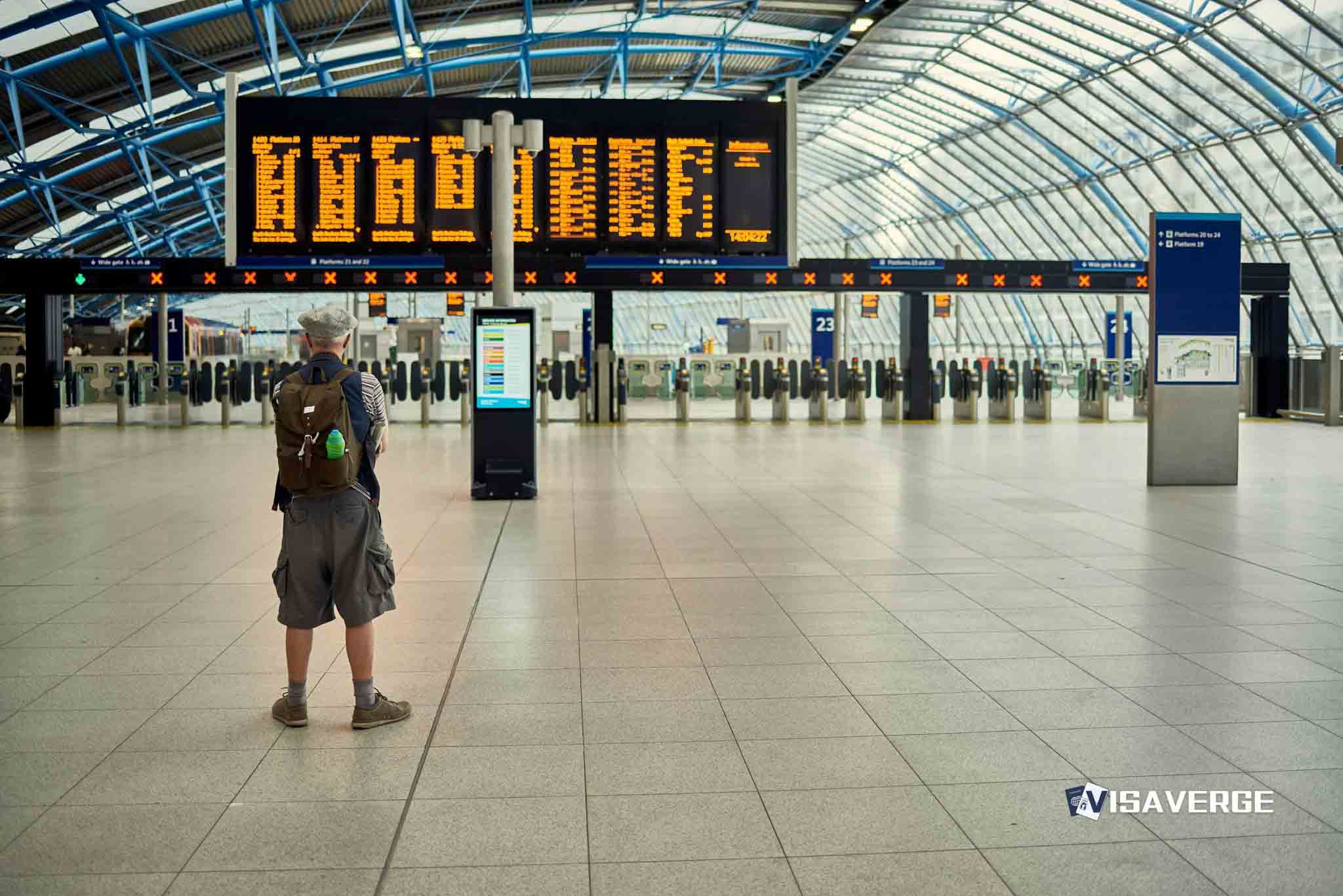
Dubai International (DXB) and Al Maktoum International (DWC) suspended all flights on February 28, 2026, due to regional security tensions from Iranian strikes on Gulf targets, including airports, forcing three days of paralysis for the global transit hubs.
Limited operations resumed on the evening of March 2, 2026, with repatriation of stranded passengers taking priority via select flights from Emirates, flydubai, and Etihad, with Etihad suspending commercial services until 14:00 UAE time on March 4.
Dubai Airports advised travelers not to head to airports without direct airline confirmation of departure times, warning that a full resumption remains fluid amid ongoing airspace restrictions and rapid schedule changes.
Airlines and travel agents said the disruption in and out of Dubai International left many itineraries vulnerable to knock-on delays, because passengers often rely on tight connection windows through European hubs to reach final destinations.
Italy’s confirmed Italy ATC Strike adds a new constraint days after Dubai’s partial reopening, because ENAV air traffic control actions can restrict capacity across the entire national airspace, rippling well beyond any single airport or airline.
ENAV Rome ACC controllers scheduled the strike for March 7, 2026, from 10:00–18:00 CET, a window that sits across the middle of the operating day for many long-haul arrivals from the Gulf and onward connections to Europe and North America.
Carriers and aviation officials expect the action to reduce Italy’s airspace capacity nationwide and trigger cascading delays and cancellations across the network, including for flights that neither start nor end in Rome, because aircraft and crews rotate through multiple cities.
Airlines with large presences in Italy, including Ryanair, easyJet, and ITA Airways, face disruption alongside international carriers carrying connecting traffic from the Gulf, as traffic management restrictions force re-routing and schedule cuts.
Passengers already rerouted through Italy after the Dubai suspensions now risk missed connections in both directions, including those booked on Emirates or flydubai services that connect via Rome Fiumicino, Milan Malpensa and Milan Linate, Venice Marco Polo, or Verona Valerio Catullo.
Those airports serve as major gateways for Middle East–Italy routes, and the strike can affect international arrival banks, departures, and transits, not only domestic sectors, because air traffic flow limits can delay inbound aircraft and disrupt turnaround plans.
Italy’s laws protect skeleton schedules during two daily windows, 07:00–10:00 and 18:00–21:00 CET, but carriers warned that the hours outside those periods can still force network-wide re-rostering that spills into later rotations.
Unions called the strike over demands including 6% wage hikes versus management’s 2.8% offer, as well as rest periods under EU Flight Time Limitations due April 2026.
Passenger-rights specialists said the cause of a disruption matters under EU261 rules, and they drew a line between airline-controlled problems such as certain staffing or operational issues and an air traffic control action that sits outside a carrier’s control.
In the case of the March 7 ENAV action, travelers should not expect automatic EU261 cash payouts linked to cancellations, because “no fixed cash compensation applies here”, even when delays become severe and connections fall apart.
That does not remove airline obligations entirely, because duty of care can still apply depending on circumstances, including assistance such as meals and hotels when passengers face long waits and overnight stays during rebooking.
AirHelp projected that a previous strike on February 26 affected a large number of departures and left a very large number of passengers stranded, and it warned that March 7 could bring a similar scale of disruption with ripple effects into March 8–9.
Airlines operating Middle East–Italy routes said the risk is highest for passengers whose journeys combine multiple legs and tight connection times, particularly as carriers still work through aircraft positioning and crew rotations after the Dubai shutdown.
Travel agents in the Gulf said they expect congestion at transfer desks and longer call-center queues as passengers try to salvage itineraries, with some travelers likely to accept rerouting through alternative European hubs if seats into Italy disappear.
Carriers encouraged passengers to monitor airline apps and emails for automated rebooking offers and schedule changes, since many airlines push revised boarding times and gate updates digitally before call centers can respond.
Several airlines also urged travelers to contact carriers directly when apps show cancellations, because rebooking tools may not immediately reflect the fastest reroute when multiple airports experience the same airspace restrictions.
Aviation officials said travelers should also monitor ENAV and individual airport websites for operational updates as capacity constraints evolve, because flight status can change through the day as traffic managers adjust arrival rates and rerouting options.
The timing also raises the likelihood of 24–48 hour knock-on effects, including missed connections and unplanned overnight stays, as delayed aircraft arrive late and crews time out, forcing carriers to reshuffle schedules even after the strike window ends.
Additional Italy strike actions remain on the calendar, including a 24-hour general strike on March 9 and handling walkouts on March 18, adding another layer of uncertainty for passengers trying to lock in replacement seats.
Airlines and airports told travelers to verify flight status via airline sites as conditions evolve hourly, particularly for Middle East passengers whose plans already depend on Dubai-area operations stabilizing after the February 28, 2026 suspensions and the limited resumption that began on March 2, 2026.