- The IRS filed a $2.9 million tax lien against rapper Quavo for unpaid federal taxes.
- The legal claim covers three consecutive tax years from 2021 through 2023.
- This follows a similar enforcement action against former Migos member Offset in late 2025.
(UNITED STATES) — The IRS filed a federal tax lien in January 2026 against rapper Quavo, alleging he owes unpaid federal taxes across three consecutive years and putting a legal claim on his property and rights to property until the balance is resolved.
The filing, described in reports published on March 4, 2026, centers on what those reports called a $2.9 million federal tax lien tied to tax years 2021–2023. Quavo had not publicly addressed the lien or outlined any payment plans with the IRS as of those reports.
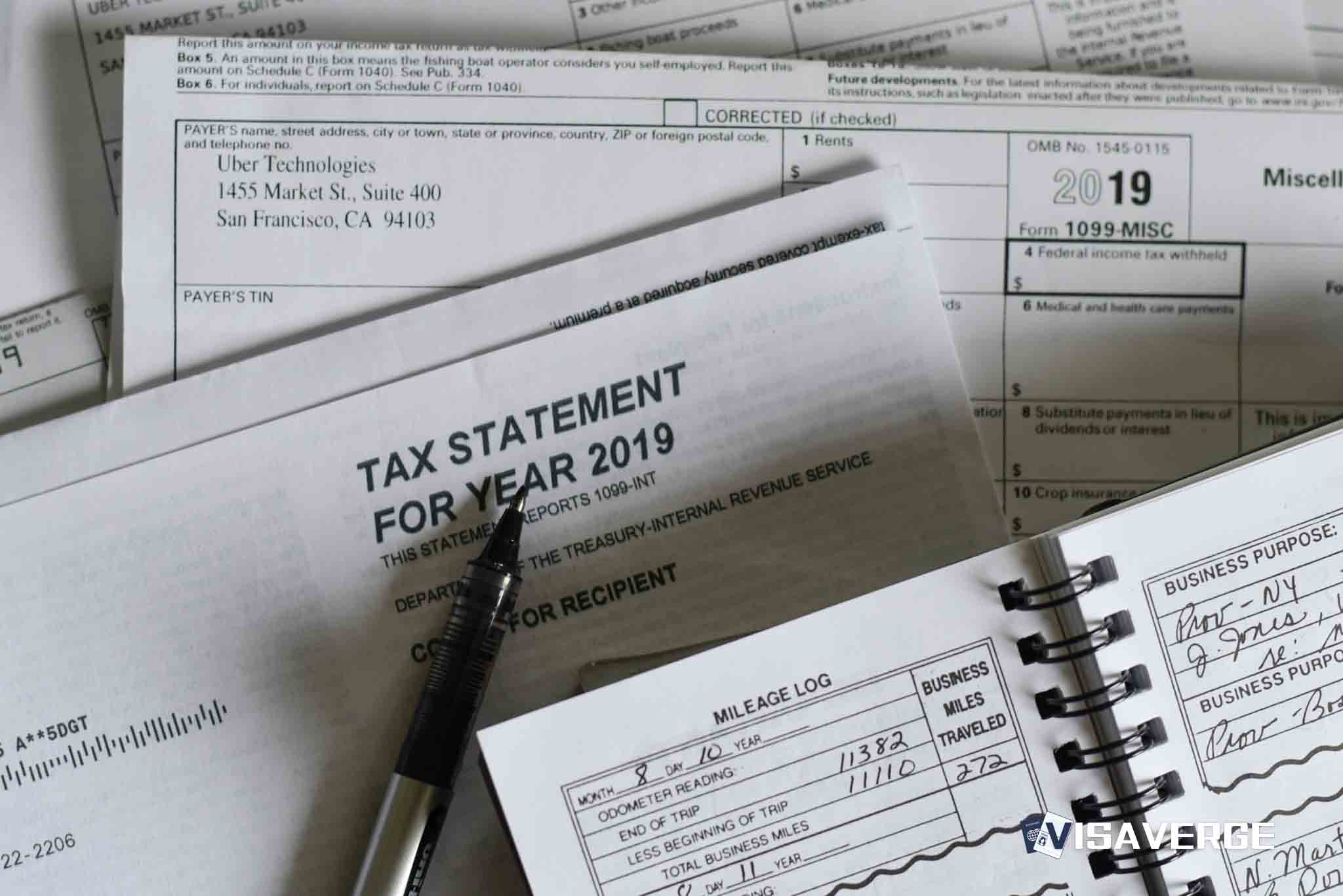
A federal tax lien is the government’s legal claim connected to an unpaid federal tax debt. Such liens can attach broadly to a taxpayer’s property and interests, and the record can follow the taxpayer until the claim is satisfied or released.
Lien filings commonly draw attention because they often lay out how the alleged balance is spread across separate tax years, rather than presenting a single undifferentiated sum. In Quavo’s case, the filing is described as spanning three separate years, which can make the overall amount appear to build quickly in public records.
The year-by-year structure also matters because it can show that liabilities did not stem from a single filing period. Public lien records often list figures by year in a way that makes the totals easy to track over time.
Figures in such records typically reflect assessed tax and may include additions that apply under IRS rules, though the reports did not describe how the balances in Quavo’s filing were calculated line by line. What is clear from the cited record is that the lien is described as covering 2021, 2022 and 2023.
The timing also placed the filing in the middle of peak tax season, when attention on IRS compliance tends to rise. For public figures, that can intensify interest in what is ordinarily a technical step in the government’s collection process.
Federal tax liens also carry a public-record dimension. The reports said such liens remain on public record until the debt is paid in full or the government releases the claim, an acknowledgment by the IRS that the government’s legal claim is no longer in place.
Alongside those general implications, the cited filing against Quavo set out the alleged balances by year and a total that the reports characterized as just under $3 million. The records cited in those reports listed a total of $2,912,644.33 across the three tax years.
This follows similar tax-related attention involving another member of Migos. Offset, described as Quavo’s former bandmate, settled an IRS issue by paying $1,575,266.73 in December 2025 for 2022 taxes, though he reportedly still owes additional amounts for other years.
Comparisons between high-profile artists can amplify interest in the mechanics of tax enforcement without necessarily revealing broader financial details. In this case, the attention has centered on the existence of the filing itself, the three-year span attached to Quavo’s name, and the separate report of Offset’s late-2025 payment.
As of March 4, 2026, Quavo had not publicly responded to the lien or described any arrangement with the IRS, and the reports did not confirm a payment plan. In similar cases, the next visible developments typically come through updated public filings, such as confirmation of payment, an IRS release of the lien, or other changes that show up in the public record.