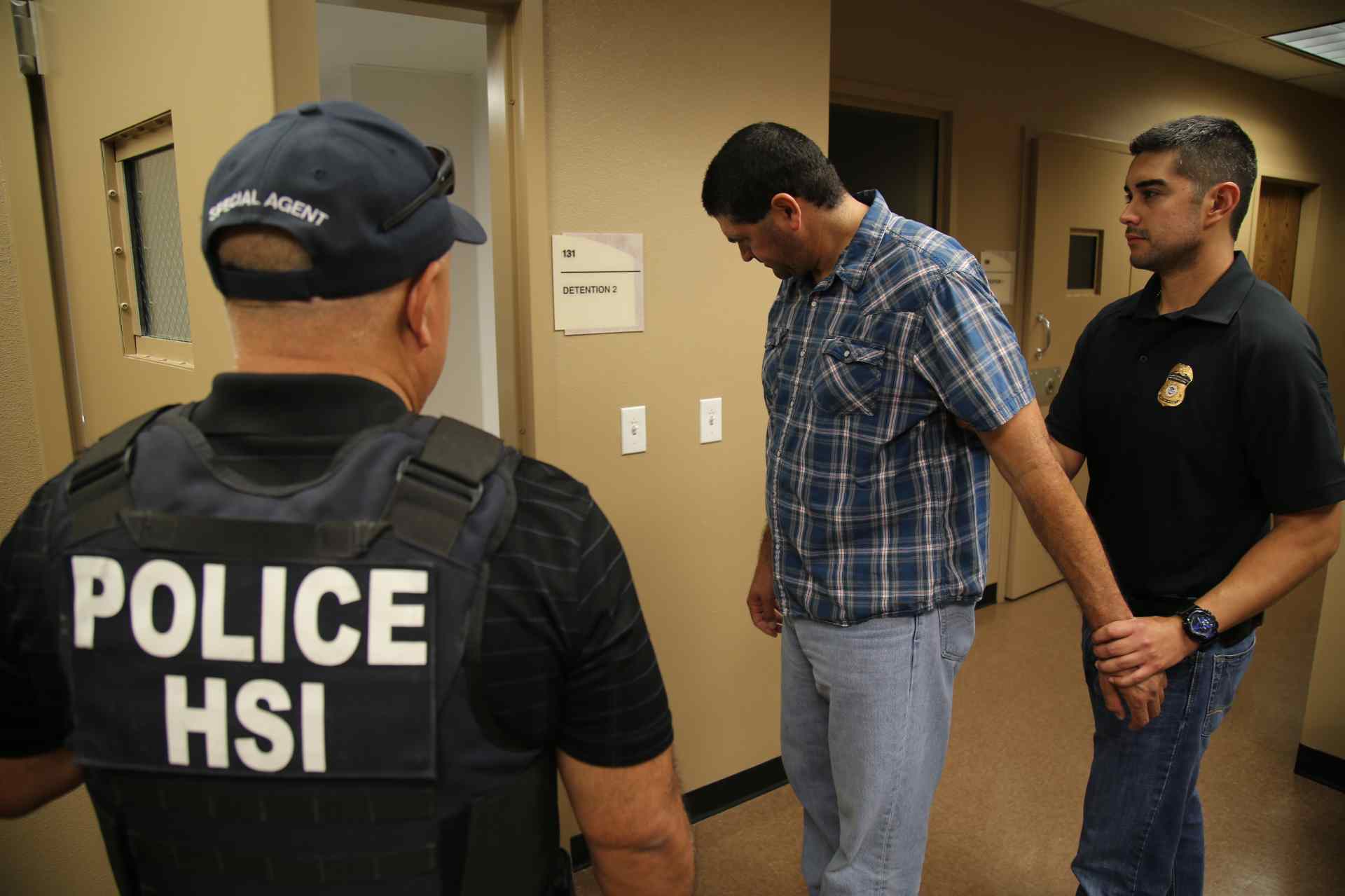
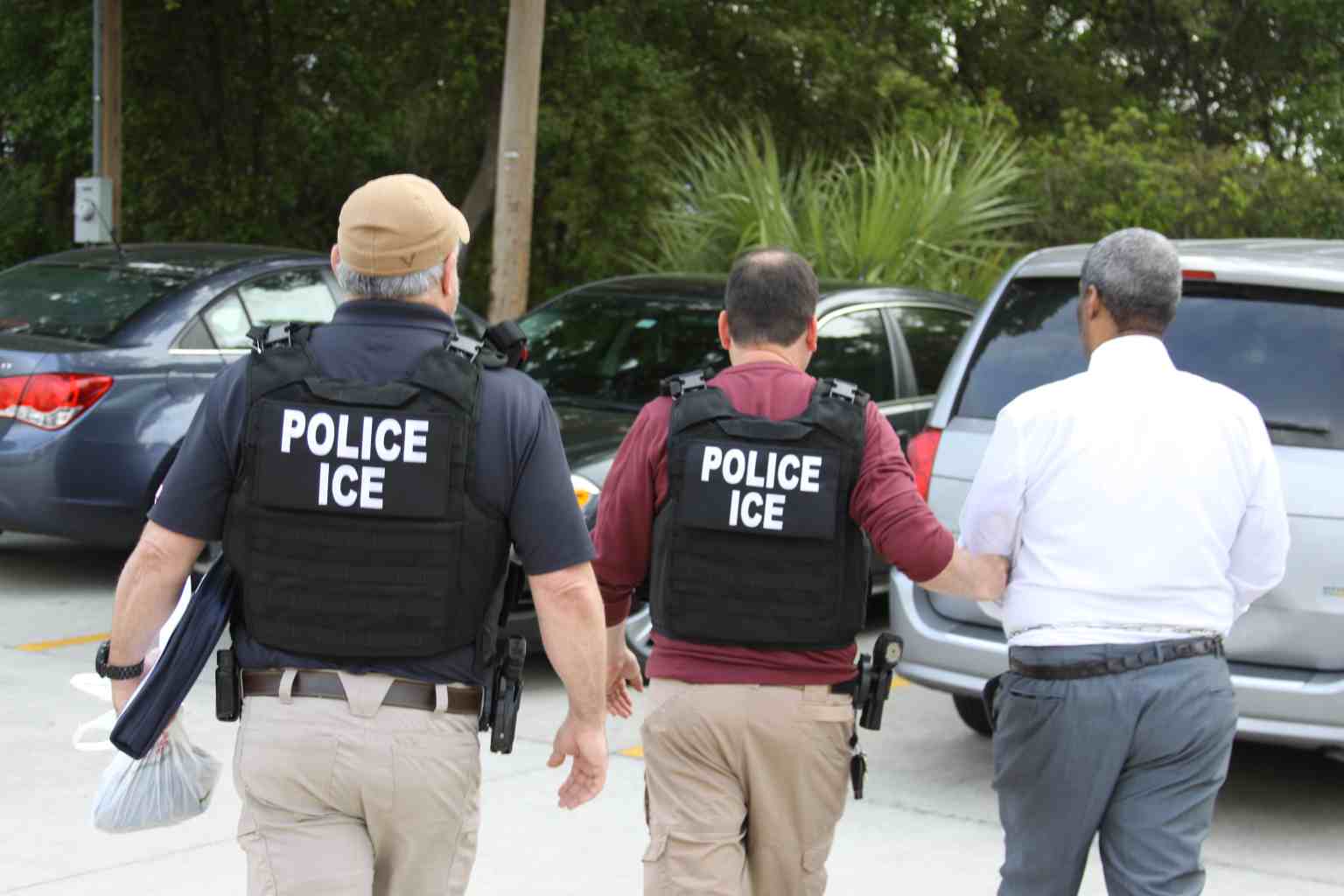
(IOWA, UNITED STATES) Iowa immigration lawyers say they are struggling to keep up as the Trump administration’s tougher enforcement drive in 2025 pushes more immigrants in the state into detention and deportation proceedings, worsening already severe shortages of immigration attorneys and leaving many people without timely legal help.
Shortage of attorneys and its consequences

Iowa has one of the worst shortages of immigration attorneys in the country, with more than 3,000 people needing legal services for every single immigration lawyer in the state, according to a 2025 analysis cited in a YouTube report. That ratio has translated into:
- Long wait lists
- Rushed consultations
- In many cases, no representation at all for immigrants who must appear before federal immigration judges
Lawyers say the pressure has intensified in 2025 as the Trump administration moved to expand deportations and detention. In interviews with the Des Moines Register, Iowa immigration lawyers described being overwhelmed by new and existing cases and working extended hours to respond to urgent calls from families and detainees. The paper reported this in a 2025 video feature.
Many attorneys are juggling large caseloads that would be considered unmanageable in other practice areas, yet still feel pressure to accept more clients because there are so few colleagues to refer people to.
Increased enforcement and National Guard support
The Trump administration’s enforcement push in Iowa has been aided by deeper cooperation between federal and state authorities.
- Under an August directive from the governor’s office, twenty Iowa National Guard soldiers began supporting federal immigration enforcement on September 8, 2025, providing administrative and logistical help to Immigration and Customs Enforcement (ICE) officials, according to a press release from the governor’s office.
- By taking on back-office work, the Guard personnel free ICE agents to focus more on arrests, transport and detention operations.
Lawyers say this shift has real consequences in courtrooms. More enforcement activity means:
- More people picked up on immigration charges
- More bond hearings
- More complex cases involving long-time residents with U.S. citizen family members
For every new arrest there is another file for already overstretched Iowa immigration lawyers to review — another set of deadlines, and another family trying to understand what will happen next.
Expanded access to federal databases and data-sharing agreements
At the same time, state officials have gained wider access to federal immigration databases, raising fears among immigrant communities and their advocates.
- Under a legal settlement reported by Radio Iowa, Iowa election officials now have access to federal immigration data to check voter rolls.
- A separate agreement will also let Iowa help the U.S. Department of Homeland Security obtain driver’s license records, according to the Times-Republican in a 2025 news report.
Attorneys and immigrant rights groups say this combination of database access and enforcement cooperation makes many noncitizens, including those with legal status, feel they are under constant watch.
“It could increase the risk that people are wrongly flagged as ineligible voters or targeted for arrest based on old or incorrect information.”
This access also adds new layers of legal work: lawyers must check federal records, state files and driver’s license data while preparing a defense.
Practical impacts on immigrants and legal representation
The policy changes leave Iowa immigrants facing a system that is both more aggressive and harder to navigate without professional help.
- Analysis by VisaVerge.com notes that when local authorities gain direct access to federal immigration information, even minor encounters with government offices can raise new fears for undocumented people — from renewing a driver’s license to asking for help after a crime.
- Yet the number of trained professionals able to explain these risks and defend people’s rights is small.
With so few Iowa immigration lawyers, many immigrants must rely on:
- Short phone calls
- Group clinics
- Non-lawyer community workers
for basic information about deadlines, eligibility for relief, and risks of signing official documents. In removal cases, where a wrong step can mean permanent separation from family in the United States 🇺🇸, that lack of individualized legal help can be devastating.
State laws, litigation, and legal volatility
The legal fight has moved into state courts and federal appeals courts as Iowa lawmakers pass new measures targeting people suspected of being in the country without authorization.
- Some of these laws allow state and local officers to detain individuals they believe may be undocumented.
- Immigrant advocates argue such powers invite racial profiling and violate federal authority over immigration.
Several state measures have already been challenged. The American Immigration Council reported in 2025 that a federal appeals court upheld a block on one Iowa “anti-immigrant” law, saying it could not take effect while litigation continues, according to a Council press release.
A detailed review by an Iowa-based law firm, summarized on its website The Lawyers Iowa, describes the legal environment as volatile, with shifting rules on when local officers may detain people over immigration questions.
For attorneys on the ground, that volatility means every new arrest may involve a tangle of state and federal provisions that are not yet settled by the courts. They must track:
- Appeals
- Emergency injunctions
- Legislative amendments
while still preparing individual filings and evidence. The time required to keep up with these changes further reduces how many clients each lawyer can responsibly handle.
Pressure on immigrant rights organizations and confidentiality concerns
Immigrant rights organizations in Iowa are also facing fresh pressure from state lawmakers.
- In April, one such group expressed alarm after legislators demanded access to confidential information about immigrants who sought help, raising concerns that private client details could be pulled into political disputes.
- The organization told MPR News the request could scare people away from asking for legal guidance or reporting abuses, according to the 2025 report.
Attorneys say these demands put them in a difficult position:
- They must protect client confidentiality, a core part of legal ethics.
- They must also respond to subpoenas and information requests from lawmakers or investigators.
For immigrants already nervous about speaking with anyone connected to the government, the idea that lawmakers might probe their private files could be enough to keep them from reaching out for help at all.
Human costs and the role of legal counsel
Behind the policy battles are families trying to stay together and workers trying to keep their jobs.
- Without prompt access to qualified counsel, many immigrants miss deadlines to apply for relief or fail to present important proof (such as long-term residence, medical issues, or hardship to U.S. citizen children).
- Federal data has long shown that immigrants with lawyers are far more likely to succeed in removal proceedings than those who appear alone — a pattern Iowa attorneys report seeing daily in court.
The U.S. government’s own guidance stresses the complexity of immigration law. The Department of Homeland Security and U.S. Citizenship and Immigration Services warn applicants on their official site, uscis.gov, that immigration processes can be complicated and that giving wrong or incomplete information can have serious consequences.
In Iowa, where each lawyer may be responsible for thousands of potential clients, turning that warning into meaningful, case-by-case advice has become far harder.
Current outlook and what attorneys say
For now, the combination of tougher enforcement, expanded data sharing, and a thin legal workforce means the gap between the need for help and the supply of professionals keeps widening.
- Iowa immigration lawyers say they will keep working late nights and weekends.
- But without more trained attorneys entering the field or major policy shifts, the state’s immigrants will continue to face an uphill battle to find someone who can speak for them in court.
Key takeaway: The intersection of expanded enforcement, state–federal cooperation, and acute attorney shortages is creating an environment where immigrants — even some with legal status — are more vulnerable to detention, deportation, and administrative errors, and less able to obtain the individualized legal help that can be decisive in immigration proceedings.
Iowa’s immigration legal system is overwhelmed in 2025 as expanded enforcement and state-federal cooperation increase arrests and detention proceedings. With more than 3,000 potential clients per immigration lawyer, many immigrants face long waits or no representation. National Guard personnel now assist ICE administratively, and state access to federal immigration and driver’s license records raises privacy and due-process concerns. Volatile state laws and litigation add complexity. Without more attorneys or policy changes, immigrants are at greater risk of detention, deportation, and legal errors.