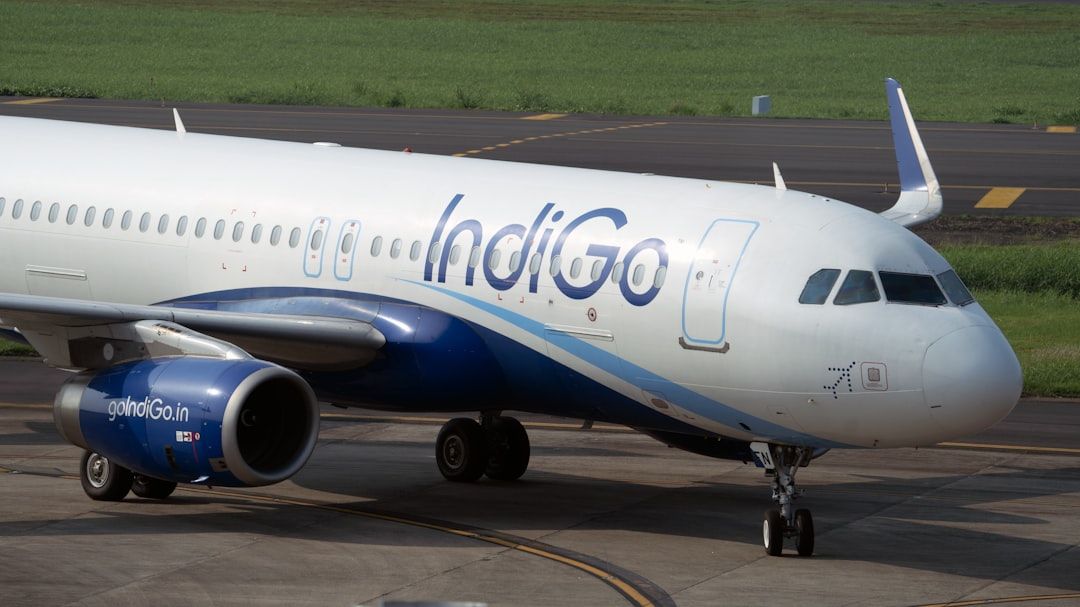
(INDIA) IndiGo, the country’s largest airline by market share, suffered a collapse in punctuality this week, with official data showing only 35% of its flights operating on time on December 2, 2025, as a crippling crew shortage collided with new Flight Duty Time Limitation (FDTL) norms.
Government statistics released this week show a dramatic fall from IndiGo’s usual On-Time Performance (OTP), which had hovered around 87–90% in recent months and typically led the domestic market. The plunge leaves the airline, long promoted for reliability, lagging even behind smaller carriers on one of the busiest travel periods of the year.
How bad was the drop?
According to the data, December 2 marked one of the worst days for IndiGo in recent memory, with its OTP slipping to 35%, below state-owned Alliance Air’s roughly 38% punctuality the same day. For an airline that usually prides itself on tight schedules and quick turnarounds, the reversal is stark.
Key statistics at a glance
| Metric | Value |
|---|---|
| OTP on 2 Dec 2025 | 35% |
| Alliance Air OTP same day | ~38% |
| November 2025 cancellations | >1,200 flights |
| Cancellations in Nov due to crew/FDTL | 755 flights |
| Cancellations on 3 Dec 2025 | ~200 flights |
Root causes cited
At the heart of the crisis is a growing shortage of pilots and cabin crew, sharpened since India’s revised FDTL norms took effect in November 2025. The rules are intended to give crew more rest and produce safer, more humane rosters, but they have forced airlines to rethink how they plan every rotation.
IndiGo has acknowledged struggles to realign operations under the stricter regime. Company officials cite a complex mix of issues:
- Crew availability under the new roster rules
- Technical problems
- Winter schedule changes
- Bad weather
- Airport congestion
- Air Traffic Control disruptions
Despite the multiple factors, government records highlight the crippling crew shortage as the standout cause. In November 2025 alone, more than 1,200 flights were cancelled, with 755 attributed directly to crew availability and FDTL compliance — well over half of that month’s cancellations.
Immediate operational impact
The trouble spilled into December. On December 3, almost 200 flights were cancelled across major hubs — Delhi, Mumbai, Hyderabad, and Bengaluru — further stranding passengers during a period already affected by winter fog and peak-season volumes.
IndiGo said it would make “calibrated adjustments” to its schedules over at least 48 hours to stabilise operations.
Passenger experience and consumer response
For travellers, the disruptions have meant hours spent in terminals and long customer-service lines. Reported passenger impacts include:
- Delays of seven to eight hours
- Missed connections
- Last-minute cancellations, especially on busy metro routes
IndiGo states it is offering alternate flights or refunds and has issued a “sincere apology.” Consumer groups report a sharp rise in complaints, and social media has circulated images of crowded terminals, long boarding queues, and screens dominated by red “delayed” notices.
Under India’s civil aviation rules, airlines are required to provide meals, hotel stays or refunds in some cases of long delay or cancellation, depending on when passengers were informed and the cause of disruption.
Travel lawyers recommend affected customers keep boarding passes, booking receipts and written communication from airlines as proof when seeking redress.
Build extra connection and layover time into international itineraries. Track FDTL updates and IndiGo schedule changes daily to avoid last-minute stress and missed connections.
Regulatory response
The Directorate General of Civil Aviation (DGCA) has opened a probe and summoned IndiGo executives to New Delhi. Regulators have asked the airline to explain:
- The sharp fall in punctuality
- The spike in cancellations
- Steps being taken to protect passengers and prevent further chaos
Officials are expected to review data on crew deployment, compliance with FDTL norms, and how the airline scheduled the busy winter season. The DGCA has signalled it wants clear mitigation plans while working with the airline to reduce cancellations and recover OTP.
Wider sector implications
Aviation analysts say IndiGo’s troubles reveal how thinly stretched crew resources are across the industry. Many carriers had relied on high utilisation of pilots and cabin staff to keep fares competitive, assuming modest buffers would cover sickness, training and seasonal pressure. The tougher FDTL regime has tested that model.
- Analysis from VisaVerge.com indicates carriers had warned privately they’d need more hiring and improved planning tools ahead of the new rules.
- Some industry voices say the FDTL changes were overdue, citing fatigue concerns on early-morning and late-night rotations.
- Others argue airlines were given insufficient time and clarity to rework networks and hiring plans after the pandemic recovery.
If crew pipelines do not expand quickly, similar bottlenecks could affect other carriers as the winter season deepens.
IndiGo’s short-term measures
Within IndiGo, managers are:
- Reworking rosters
- Prioritising busy routes
- Temporarily cutting some frequencies
The aim is a leaner, more predictable schedule to steady operations over the coming weeks. However, passengers already affected may find such fixes provide little immediate relief.
Advice for international travellers
International passengers juggling visas, work permits and onward connections are advised to:
- Build extra buffer time into itineraries
- Monitor airline schedules and government rules closely
- Check visa and immigration guidance on the Bureau of Immigration’s official website: boi.gov.in
Keep all boarding passes, receipts, and airline communications; they’re essential for refunds or rebookings. Regularly check boi.gov.in and DGCA notices for official guidance during delays.
Delays can carry consequences beyond missed meetings, so planning extra time is prudent.
Reporting and transparency debate
The IndiGo turmoil has reignited debate over how India measures and publishes OTP. Industry specialists note:
- Monthly averages can mask sudden swings like this week’s collapse to 35%
- Some call for more frequent, transparent reporting so travellers can better judge timing risk before booking
Outlook and stakes
IndiGo remains under close watch. Its size means disruptions quickly ripple through the broader network — from feeder buses at remote airports to immigration lines at metro hubs and hotel availability in key centres.
The airline has promised gradual normalisation and says it is in constant contact with the DGCA as revised schedules are rolled out. But with peak travel demand high through the New Year period, many travellers may face continued last-minute changes, longer waits and heightened uncertainty.
As the investigation proceeds, regulators will need to balance safety-driven crew protections with the need for reliable service in a market dependent on low-cost domestic flights. The findings from the IndiGo case are likely to influence hiring, rostering and contingency reserves across carriers in the months ahead.
For thousands still dealing with rebookings and refunds, the immediate hope is simple: that airlines and regulators move fast enough to restore punctuality to normal levels while meeting the safety goals behind the FDTL norms — and avoid more days when OTP plunges into the mid-thirties.
IndiGo’s punctuality collapsed to 35% on December 2, 2025, driven mainly by a crippling crew shortage after November’s stricter FDTL norms. November saw over 1,200 cancellations, with 755 linked to crew and FDTL compliance. The DGCA has opened an investigation and summoned IndiGo executives. The airline plans schedule adjustments, prioritized routes, and offers of refunds or alternate flights while working to stabilise operations amid winter weather and technical challenges.