- Indian nationals began returning from protest-hit Iran on commercial flights landing in Delhi on January 16-17.
- New Delhi issued an immediate-exit advisory for approximately 9,000 citizens as street violence intensified across Iran.
- Returnees described communication blackouts and roadblocks, amid reports of thousands killed or detained during the unrest.
(IRAN) — Indian nationals stranded in protest-hit Iran returned to India on commercial flights that landed in Delhi on the night of January 16-17, 2026, after New Delhi urged its citizens to leave as street violence intensified.
Additional returnees arrived on January 17, 2026, as airlines added capacity and the Indian Embassy in Tehran stepped up coordination to help people reach the airport and board departing flights.
Journeys out of Iran
Some passengers described tense journeys to get out, citing roadblocks, currency chaos and what one characterized as a “war-like situation.” Others said they had not faced direct danger, but struggled with communication as mobile data blackouts and broader network disruptions cut them off from family.
Ali Naqui, who said he was part of a group of 12-13 travelers, told reporters on arrival: “We didn’t face any problem.”
The returns followed more than two weeks of escalating unrest in Iran, where protests erupted on December 28, 2025, over rising inflation and economic hardship and later spread to more than 100 towns and cities.
The unrest, and the response to it, disrupted daily life and created uncertainty for foreigners as well as Iranians in several regions.
Casualty and detention reports
The violent crackdown has drawn sharply different accounts of its toll. The US-based Human Rights Activists News Agency reported at least 3,090 people killed during the protests, while Iranian state media reported around 3,000 arrests and more than 18,400 people detained.
Indians in Iran and communication problems
For Indian nationals scattered across Iran, the situation complicated travel plans and made basic communication difficult. Approximately 9,000 Indian nationals are currently in Iran, comprising primarily students, along with businesspeople, professionals, pilgrims, and seafarers.
Internet shutdowns and unreliable telecommunication networks across several regions have hampered efforts by families to reach relatives, and by diplomats to share guidance as conditions shifted.
The Indian Embassy in Tehran intensified efforts to contact Indian nationals and assess who wished to return, but it faced the same constraints created by the communications disruptions.
Government advisories and guidance
India’s Ministry of External Affairs first issued advisories on January 5, 2026, urging citizens to avoid travel to Iran. The ministry later upgraded that guidance to an immediate-exit advisory on January 16, 2026 after street violence intensified.
External Affairs Ministry spokesperson Randhir Jaiswal said commercial flights remain operational and Indians should use these to depart, a message aimed at directing travelers to existing routes rather than waiting for a dedicated evacuation.
Flight operations and embassy actions
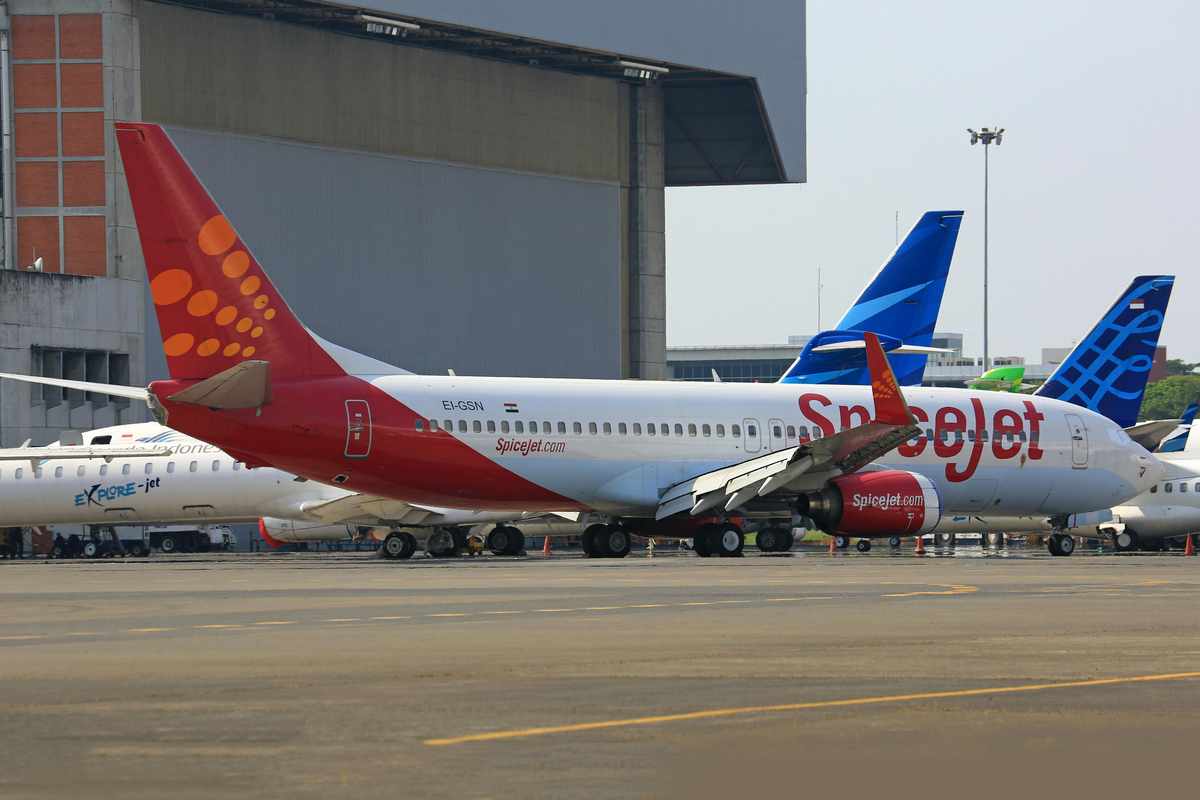
That approach shaped the first wave of arrivals in Delhi, where passengers came back on scheduled services rather than specially arranged aircraft. The first two flights bringing Indians back landed in Delhi on the night of January 16-17, 2026, with more arrivals following on January 17, 2026.
The embassy organized airport drop-offs and coordinated with airlines by passing passenger manifests to streamline boarding as departures accelerated.
- Air India and Mahan Air laid on additional capacity to facilitate returns.
- The arrangement relied on functioning civilian aviation links and aimed to move people quickly.
- Reliance on commercial departures placed urgency on booking seats and reaching airports despite disruptions.
Returnee accounts and varied experiences
The accounts from returnees reflected the uneven experience of living through a fast-moving crisis in different parts of Iran. One MBBS student who returned said she had heard about protests but never witnessed agitation herself.
An electrical engineer who returned said the situation in Tehran had improved, and that network issues were the primary problem. For some, those outages became the defining feature of the past weeks, as days without mobile data left them unable to reassure parents or coordinate travel with friends.
Other travelers focused on what it took to physically reach an airport when conditions were unstable. Returnees described roadblocks and currency chaos, underscoring the practical hurdles that can emerge quickly during widespread protests even when commercial flights keep operating.
The phrase “war-like situation” captured the fear some passengers felt while moving through checkpoints and trying to convert money or pay for transport amid uncertainty. At the same time, Naqui’s comment, “We didn’t face any problem,” highlighted that not everyone experienced the same level of threat.
Those differences may reflect where people were located and how quickly they were able to move once advisories changed. The protests began on December 28, 2025, but India’s advisory initially focused on avoiding new travel, before shifting to an immediate-exit message on January 16, 2026.
The unrest’s geographic spread, reaching more than 100 towns and cities, also complicated any attempt to describe conditions with a single narrative. For Indian students and professionals based in Tehran, the capital’s situation could feel different from reports coming from other areas.
Operational challenges and implications
Even when physical safety was not the most urgent concern, the communications environment often was. With internet shutdowns and unreliable networks across several regions, many Indians struggled to get consistent updates from news, message family members, or receive timely instructions.
That disruption affected the embassy’s outreach, limiting the speed at which it could confirm locations and travel intentions and complicating coordination efforts.
For students, the challenge can be balancing academic commitments with personal safety and family pressure, while still making practical arrangements in a changing environment. For pilgrims or seafarers, travel plans can be tied to group movements or work schedules that are hard to alter quickly.
The dependence on commercial flights and functioning booking channels meant Indians without stable internet access faced extra difficulty securing seats and coordinating their travel to airports.
Outlook and possible further movements
Officials cautioned that further flights may be required if the security environment deteriorates, leaving open the possibility of additional movements if conditions in Iran worsen or if more Indians decide to leave.
For now, the scenes at Delhi’s airport on the night of January 16-17, 2026, and through January 17, 2026, showed a community in motion, trying to get home while flights are still running and while the protests that began on December 28, 2025, continue to reverberate across Iran.