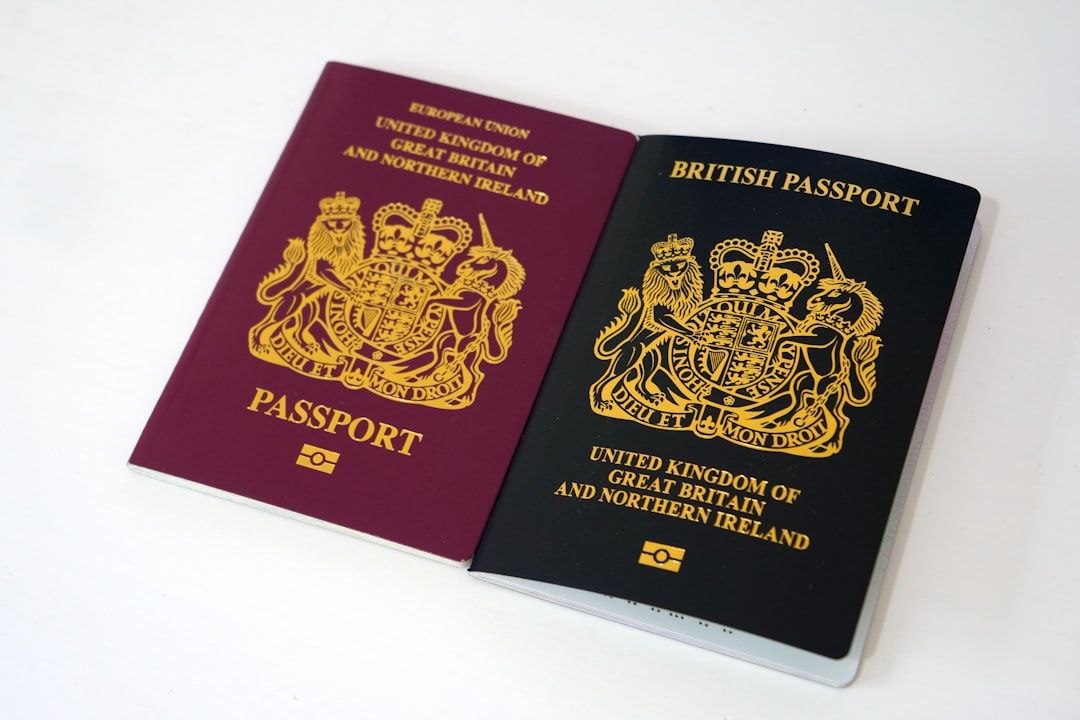
The UK government has set out sweeping changes to who can get settled status and when, in a 2025 plan that would double or even triple the wait for Indefinite Leave to Remain (ILR) for many migrants. Announced under Home Secretary Shabana Mahmood in the Starmer administration, the new “earned settlement” model would push the standard qualifying period from 5 years to a baseline of 10 years, with some people waiting as long as 15, 20, or even 30 years before they can apply. The plans, now released for a 12‑week public consultation, have caused particular alarm among Indian migrants, who make up the largest ethnic minority in the country and see the proposals as a sharp shift in the promise of long‑term security.
Core change: from automatic routes to “earned settlement”

Under the proposals, most migrants who currently expect to apply for ILR after five continuous years in the UK would instead need to complete at least 10 years.
The Home Office frames this as a move away from “automatic” routes to settlement and towards a system where people must show they have earned settlement through:
Free toolUSCIS Receipt Number Decoder- Work and tax records
- English language skills
- Respect for the law
ILR itself would still confer the same core rights — stable residence, access to public funds, and a path to British citizenship — but the road to those rights would become much longer and more uncertain for many families.
Waiting periods by group (proposed bands)
The plan divides migrants into different waiting periods based on income, benefit use, and immigration history.
- Baseline: 10 years for most applicants (up from 5 years)
- 15 years: Low‑paid workers (including many health and social care workers)
- Estimated 616,000 health and social care visa holders who arrived between 2022 and 2024 could be affected
- 20 years: People who have used welfare benefits
- 30 years: Migrants who have overstayed visas or entered the country illegally
- 3 years (fast‑track): Highly paid professionals, top researchers, successful entrepreneurs labelled “brightest and best”
- 5 years: Many doctors, nurses, and other high‑skilled workers would retain the current standard
Table — Proposed waiting periods (summary)
| Group | Proposed qualifying period |
|---|---|
| Most migrants (new baseline) | 10 years |
| Low‑paid workers (e.g., many care staff) | 15 years |
| Benefit recipients | 20 years |
| Those with serious immigration breaches | 30 years |
| “Brightest and best” high earners | 3 years |
| Many high‑skilled workers (doctors, nurses) | 5 years |
Government rationale and fast‑track exceptions
The government argues the system will:
- Prioritize contribution, integration and respect for the British sense of fair play
- Ensure settlement is “a privilege to be earned, not a right”
- Tie settlement more tightly to economic contribution and long‑term public costs
They say fast‑track routes for key workers and high earners will keep the UK attractive to global talent while reassuring voters that permanent status is granted to those who “give back” over many years.
Criticism and concerns
Critics warn the proposals will create long periods of limbo and inequality:
- Unions and migrant groups point out that many health and social care staff—pushed onto a 15‑year route—kept the NHS running through the COVID‑19 pandemic and ongoing staffing crises.
- Legal groups say the rules could create a two‑tier system within the same family, where partners qualify at different times or children reach adulthood without parental stability.
- Campaigners note 20 years for benefit users would be among the longest waits in Europe for this status.
- Those with past immigration breaches facing 30 years fear prolonged insecurity and limited rights.
“Such long periods will leave thousands of people living in limbo, with limited rights and constant fear that a change in work or family life could cost them their future in the UK.”
Impact on the Indian community
The proposals have landed particularly heavily in the Indian community:
- The Indian population in the UK has grown to more than 2 million people and is deeply embedded across professional, academic, and public life.
- Analysis by VisaVerge.com suggests Indian nationals are among the largest groups on work, study, and family visas who expected to qualify for settlement by 2030.
- The proposals could affect around 1.6 million migrants due to become eligible for settlement by the end of the decade.
Community leaders report widespread dismay and confusion:
- Families worry a shift from 5 years to 10 or 15 years will force continued payment of repeated visa fees, NHS surcharges, and legal bills for much longer than planned.
- Some Indian IT professionals and health workers say they are already weighing offers from countries such as Canada ?? for clearer, faster routes to permanent residence.
- Others fear being stuck on temporary visas and unable to change employers or reduce hours without risking their path to settled status.
Practical effect on applicants
Under the proposals, ILR applicants would need to demonstrate more than just residence:
- A strong work record and consistent tax contributions
- Higher English language levels
- A clean criminal record
- Strict compliance with visa rules (any break in lawful status, income change, or period of benefit use could move someone into a longer band)
Lawyers advise migrants to keep meticulous records of employment, tax, and residence to prove “earned” contribution over a decade or more.
There is a 12-week public consultation underway. If affected, submit a response and track updates. Key implementation details are anticipated around April 2026 and could affect family members too.
Timing, consultation and official guidance
- The government has launched a 12‑week consultation on the draft rules.
- Officials say changes would not take effect until April 2026, after consultation and parliamentary scrutiny, but there are few clear guarantees for those already part way through qualifying years.
- The government’s main page on Indefinite Leave to Remain remains available at: https://www.gov.uk/indefinite-leave-to-remain and has not yet been fully rewritten to reflect the proposed model, leaving some applicants uncertain about timelines.
Responses from communities and organisations
As the consultation proceeds:
- Legal groups, trade unions, and migrant organisations are preparing detailed responses highlighting legal risks and human costs.
- Indian community associations are collecting testimonies from nurses, care workers, students, and small business owners who fear being pushed into 15‑ or 20‑year waiting periods despite years of tax payments and community ties.
- Many accept that ILR should be earned in principle but question whether such long delays are fair for families who have built their lives in Britain.
Key takeaways
- The baseline qualifying period would move from 5 years to 10 years, with many groups facing 15, 20 or 30 years.
- Fast‑track exceptions exist for high earners and top talent (3 years) and some high‑skilled workers (5 years).
- The proposals could affect 1.6 million migrants and have significant impact on the Indian community (~2 million in the UK).
- Changes are subject to a 12‑week consultation and not expected to take effect until April 2026.
With implementation pencilled in for 2026, the debate over how long it should take to earn settled status will shape not only immigration policy but also the UK’s relationship with one of its most established diaspora communities.
The UK’s 2025 proposal shifts from five‑year automatic routes to an “earned settlement” model, raising the baseline ILR qualifying period to ten years and imposing bands up to 15, 20 or 30 years for low paid workers, benefit recipients and those with immigration breaches. Fast‑track exceptions apply for high earners and key professionals. The plan, announced by Home Secretary Shabana Mahmood, has alarmed migrant communities—especially Indian nationals—and is subject to a 12‑week consultation before potential implementation in April 2026.