(Federal immigration raids that intensified under President Trump’s administration since January 2025 are rippling into exam rooms and waiting areas, as immigrants—especially undocumented people and their families—cancel appointments, skip refills, and delay care out of fear that a trip to a clinic could end in detention or deportation.)
Recent enforcement and local impacts
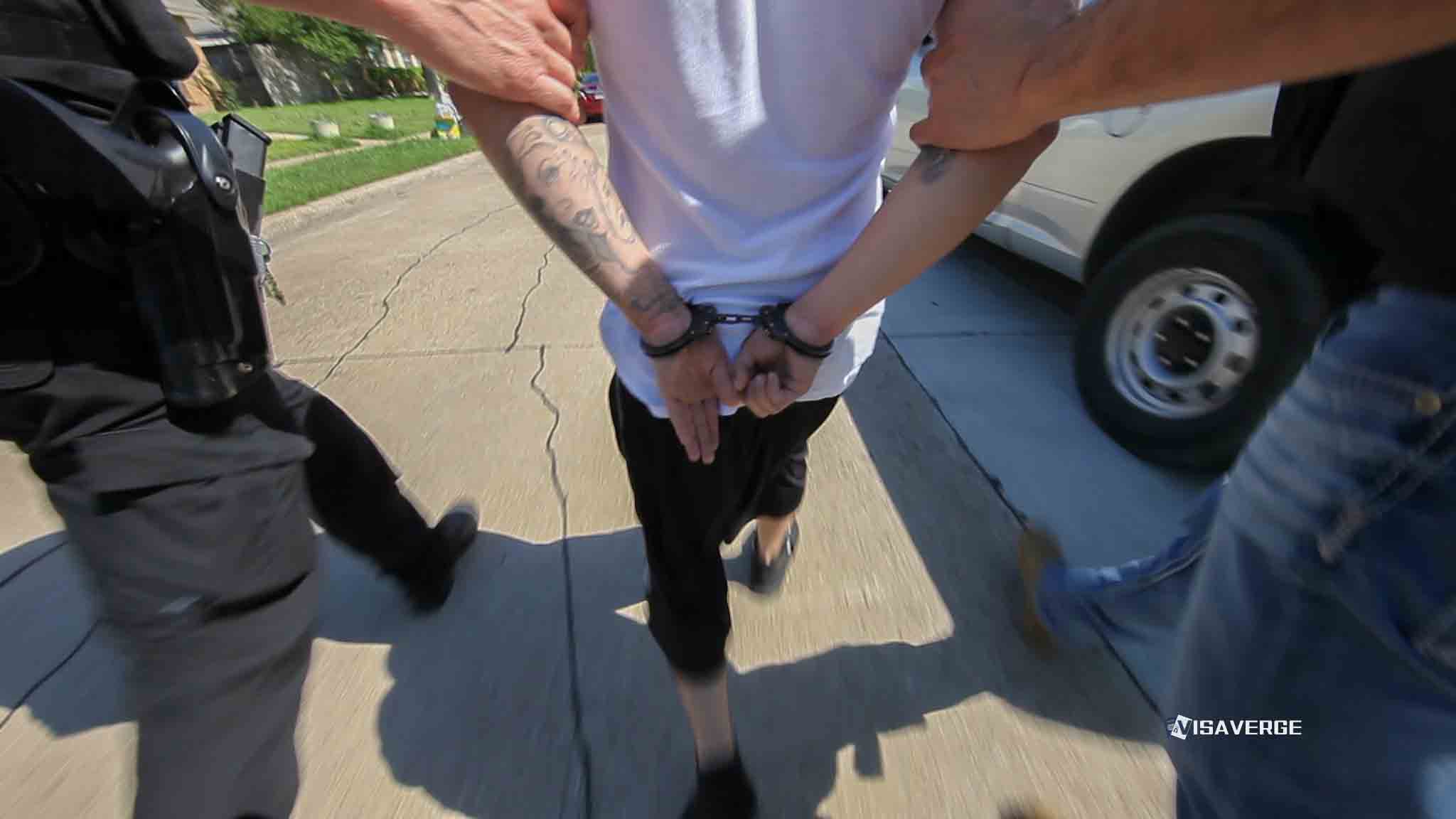
In Louisiana and Mississippi, fear spiked this month with Operation Catahoula Crunch, a Department of Homeland Security effort that began December 3, 2025, and led to more than 250 arrests by December 11, 2025, according to reporting cited by the Associated Press.
Health professionals in the region say the enforcement push was followed almost immediately by higher no-show rates among immigrant patients and increased stress for those who still come in. That is changing the rhythm of everyday care in areas that already struggle with limited providers and long drives to basic services.
Associated Press reporting said 38 arrests in New Orleans in the first two days of the operation involved people who, in most cases, had no criminal record. The arrests—carried out in regions where many mixed-status families live with U.S.-born children—have fueled rumors and uncertainty that can spread faster than official information, especially when raids happen near public spaces people can’t avoid, like roads, workplaces, and bus routes that lead to hospitals.
National trends and survey findings
The pattern extends well beyond the Gulf South. A national survey by Physicians for Human Rights (PHR) and the Migrant Clinicians Network (MCN) found that, from March to August 2025, 691 health care workers across 30 states reported steep drops in visits after the administration’s January executive orders.
Key survey results:
– 84% reported significant or moderate decreases in patient visits.
– 26% said they saw direct impacts on patient care, including missed screenings and delayed treatment.
– 7% observed ICE or CBP presence in health facilities.
Clinicians described children arriving for care without a parent because adults were afraid to show up, and children showing anxiety tied to fears of family separation. The survey documented cases in which delays changed the course of illness—late diagnoses, untreated symptoms, and chronic conditions that became harder to manage when families stopped coming in regularly.
Those findings align with a separate KFF and New York Times survey, cited in the same reporting, which found that nearly 8 in 10 immigrants likely undocumented reported negative health impacts in 2025. Respondents described anxiety, sleep problems, and worsened conditions such as high blood pressure or diabetes—symptoms clinicians say are consistent with prolonged stress and with patients rationing medication or postponing follow-ups.
Local examples: Chicago and Southern California
In Chicago, clinics serving immigrant communities reported sharp declines since immigration sweeps began in September 2025.
- Latona Giwa, executive director of Repro TLC, said clinics saw 30% missed appointments and a 40% drop in medication pickups.
- Giwa emphasized that the losses hit pregnant patients especially hard because prenatal and postnatal care cannot easily move to virtual visits; many checks require in-person exams, labs, and ultrasounds. Skipped visits can turn treatable problems into emergencies.
In Southern California, health workers reported a similar collapse in routine care:
– About one-third of medical appointments and half of dental appointments were canceled because patients feared an ICE raid.
– Providers noted that dental pain and infections often become “wait it out” problems when people are scared—even though untreated dental disease can quickly lead to more serious complications.
Policy shifts contributing to fear
Part of the shift traces back to a policy change in Washington. In January 2025, the Trump administration rescinded the “sensitive locations” policy that, under the Biden administration, had generally limited immigration enforcement at hospitals, clinics, schools, and churches.
After the rollback:
– ICE could be present in public areas of facilities.
– Agents have reportedly staked out lobbies, visited clinics, and guarded hospital detainees.
For immigrants already worried that government systems might share information, the change blurred the line between “safe to get care” and “too risky to try.”
Another flashpoint occurred when, on or before June 14, 2025, DHS/ICE received personal data—including immigration status—on millions of Medicaid enrollees, according to the Associated Press. California Governor Gavin Newsom condemned the data sharing, and clinicians said it intensified fears that signing up for coverage, renewing it, or even using it could expose family members.
One Illinois physician captured the mood repeated by multiple providers:
“Families are scared to renew their Medicaid.”
Broader enforcement focus and consequences
The anxiety also reflects a broader enforcement shift described in the reporting: rather than focusing mainly on immigrants with criminal records, federal efforts have targeted the wider population of about 14 million undocumented immigrants. That means a larger share of families feel at risk in ordinary moments—like driving to a pediatric checkup.
Health workers say arrests tied to traffic stops or routine travel can make the simple act of keeping an appointment feel like stepping into a trap. Dr. Peeler of Physicians for Human Rights argued in the survey findings that the federal government should:
- Restore and codify protections for health settings.
- Stop immigration enforcement activity at medical facilities.
- End Medicaid data sharing that chills enrollment.
PHR framed these steps as basic safeguards to keep care available without turning hospitals into places people fear—especially when children are involved and when delays can cause lasting harm.
Community impact and extreme choices
Community advocates described families weighing extreme choices. The reporting cited Rosales-Fajardo, identified as a community advocate, describing how some immigrants have grown so fearful that they may avoid calling 911 even in emergencies—worried that getting help could bring the government to their door and risk the loss of their children.
Hospitals and clinics are left trying to provide care while absorbing the shockwaves of enforcement. Missed visits can lead to:
– Uncontrolled blood sugar
– Skipped cancer screenings
– Untreated infections
– Prenatal problems that would normally be caught early
Clinicians note the human toll is not limited to undocumented patients: U.S. citizen children in mixed-status families share the same fear, especially when a parent worries about showing ID at check-in, walking through a lobby, or parking near a facility.
Researchers and providers have seen similar effects in prior enforcement actions, but health workers say the scale and tempo described in 2025—paired with policy changes that remove earlier guardrails—have made the current moment feel broader, faster, and harder to contain.
Tension between enforcement and public health
Federal agencies say enforcement aims to uphold immigration law. Health workers counter that public health suffers when large groups avoid care, especially for:
– Contagious diseases
– Pregnancy-related care
– Chronic illnesses requiring steady medication
Clinicians watch no-show rates as an immediate metric, but emphasize the deeper, slower consequences:
The cancers found too late, the children whose anxiety worsens, and the families who wait until a problem becomes so severe they have no choice but to go to an emergency room.
People seeking official information on immigration enforcement and agency responsibilities often start with U.S. Immigration and Customs Enforcement, though providers and advocates stress that fear and misinformation can spread in communities faster than formal updates.
According to analysis by VisaVerge.com, the same enforcement pressure that drives workplace absences and school disruptions is now showing up in health systems as missed visits and delayed treatment—effects that can linger long after a single raid ends.
Since January 2025 enforcement intensified, immigrants increasingly skip medical care. Operation Catahoula Crunch (Dec. 3–11, 2025) caused over 250 arrests, raising no-show rates and disrupting clinics. A PHR/MCN survey of 691 health workers across 30 states found 84% reported decreased visits, 26% saw direct care impacts, and 7% noted ICE/CBP presence in facilities. Clinicians report delayed diagnoses, medication rationing, and children arriving alone. Advocates call to restore protections for health settings and end Medicaid data sharing to rebuild trust.