President Trump’s second administration has moved quickly since January 2025 to cut off or narrow several of the most used legal paths that let migrants stay in the United States, including the CHNV parole programs and other forms of humanitarian parole, while also tightening asylum access and expanding detention and enforcement, according to the source material provided. The shift has left many immigrants with fewer ways to keep lawful presence, and it has pushed high‑stakes disputes into federal court, including the Supreme Court.
Parole programs: rollbacks and legal confusion

One of the biggest changes has been the rollback of parole programs that had allowed people to enter legally for a limited period and apply for work authorization while they waited for longer-term options.
- USCIS stopped accepting new sponsorship requests under
Form I-134Afor Cubans, Haitians, Nicaraguans, and Venezuelans, the source says. - Filings tied to Ukrainian parole, CAM parole, and family reunification parole were also halted.
- The relevant sponsorship form is
Form I-134A, which USCIS posts here: Form I-134A, Online Request to be a Supporter and Declaration of Financial Support.
The legal fight over CHNV reached the Supreme Court on May 30, 2025, when the court allowed the administration to end parole status for CHNV entrants, affecting approximately 530,000 people, according to the source material.
For many families who used the program as a bridge out of danger or collapse at home, the decision meant the ground could shift under them even if they had followed the rules to enter.
A separate ruling, however, requires the government to resume processing tied to humanitarian-parole-related benefits for people already connected to programs like CHNV and Uniting for Ukraine. That includes processing for:
- Work permits
- Asylum
- Temporary Protected Status (TPS)
- Adjustment of status
- Re-parole
That combination—parole status being vulnerable while some related processing must restart—has produced confusion for many people trying to plan their next move.
Why parole changes matter
Parole is not a visa and does not automatically lead to a green card. It is a temporary permission to be in the country, usually granted for urgent reasons or a public benefit, and it can be ended.
- When parole ends, a person can lose the legal basis to stay unless they have another status lined up.
- The source material describes this squeeze as part of a wider push that also targets asylum access, adding pressure on people who had counted on time to file claims, find lawyers, and stabilize their families.
Border operations and asylum restrictions
At the border, the source says the CBP One app is no longer available, and existing appointments that had been used to schedule asylum processing at ports of entry were canceled.
The administration also:
- Declared a national emergency at the southern border, expanding military presence, wall construction, drones, detention, and use of force.
- Enacted executive actions described in the source as virtually eliminating asylum opportunities by:
- Expanding expedited removal
- Setting up extraterritorial processing
- Reintroducing policies similar to “Remain in Mexico”
Fees and penalties: raising the cost of access
Fees described in the source raise the stakes further and could deter people from applying at all. The material says new minimum charges include:
| Fee / Penalty | Amount | Notes |
|---|---|---|
| Asylum application fee | $100 | Described as non-waivable |
| Annual fee while asylum case pending | $100 per year | Ongoing cost during pendency |
| Penalty for unauthorized border crossing | $5,000 | Reported as a deterrent fee |
These fee and penalty structures can disproportionately affect families already struggling financially and people who fled with very limited resources.
Expanded enforcement, detention, and prosecution
Enforcement and detention have also expanded, according to the source:
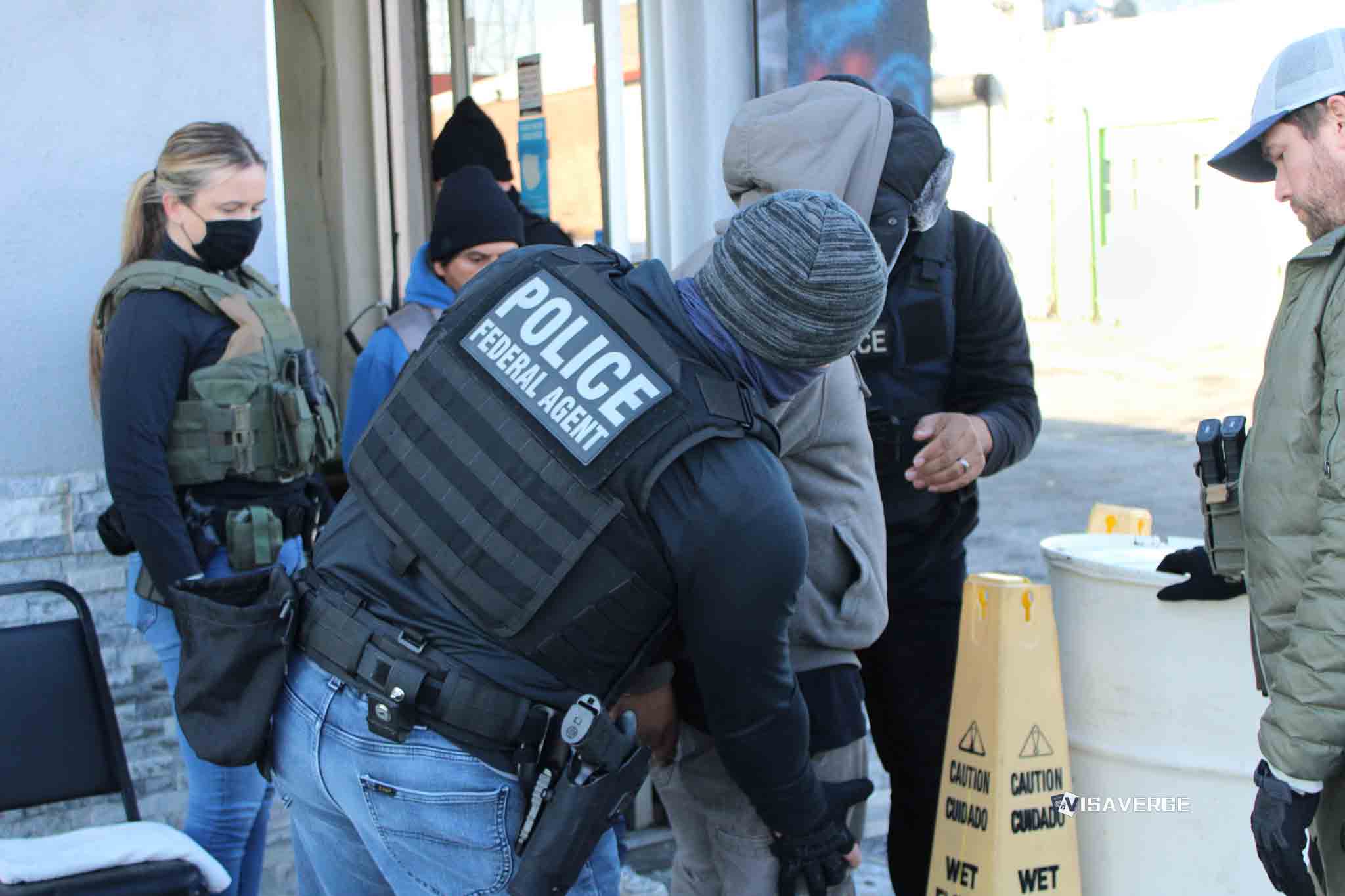
- ICE, CBP, and DHS increased raids, detention periods, and deportations.
- The 287(g) program—which allows local law enforcement to assist with immigration enforcement—tripled in agreements.
- A reconciliation bill reportedly funds $3.3 billion to the Department of Justice through September 30, 2029, for prosecution of immigration offenses (including unauthorized entry), raising concerns about renewed aggressive prosecutions reminiscent of “zero‑tolerance” family separations.
Even if deportation totals remain “modest so far,” broader policing and prosecution can reshape daily life—making routine errands such as driving, reporting a crime, or picking up a child from school feel risky.
Other administrative changes affecting immigrants
Other shifts described in the material extend beyond border enforcement:
- USCIS canceled a “stateless policy”, leaving stateless individuals without clear protection or work authorization.
- A new registration rule starts April 11, 2025, for some immigrants.
- New or increased fees for key benefits include:
- $550 for first-time work authorization applications tied to asylum, TPS, or parole
- $275 for renewals limited to one year
- $250 minimum for Special Immigrant Juvenile Status filings
Screening, forms, and civil‑liberties implications
The source says “extreme vetting” now includes social media screening for antisemitism on forms such as citizenship applications. It also reports removal of non-binary gender options from USCIS forms.
- These changes increase the number of issues that can trip up applicants.
- Practically, applicants may become more cautious about what they post online and more dependent on legal help—at the same time that rising fees make legal help harder to afford.
Executive orders and constitutional challenges
The administration’s agenda also includes executive orders that challenge long-settled ideas about legal status, per the source:
- Orders to restrict birthright citizenship, with Supreme Court review expected and a hearing anticipated in May 2026.
- An order declaring English the official language.
- Continued pressure on “sanctuary” jurisdictions, including actions against states and localities seen as not cooperating with federal immigration enforcement.
Historical context and broader effects
These moves build on earlier efforts from President Trump’s first term—DACA rescission attempts, TPS terminations, reduced refugee caps, and public‑charge rules—but the source describes the second-term push as faster and broader, testing executive authority in multiple lawsuits.
VisaVerge.com reports that the combined effect of parole terminations, asylum limits, fee increases, and expanded enforcement has produced widespread “chilling effects” that reach beyond undocumented migrants and can affect people with lawful status or no criminal history.
For many immigrants, the question is no longer just whether a pathway exists on paper, but whether it will still exist by the time an application is filed or decided—and whether they can afford the new costs while they wait.
Guidance and resources
Readers seeking the government’s own explanation of parole authority and related processes can start with USCIS’s official overview of parole in place at: USCIS Humanitarian or Significant Public Benefit Parole.
The source also points readers to the Immigration Policy Tracking Project for following the rapid pace of change, as lawsuits and administrative action continue to reshape what “legal options to stay” means in late 2025.
The Trump administration’s 2025 immigration overhaul has focused on dismantling parole programs, restricting asylum access, and increasing enforcement. By ending the CHNV program and introducing non-waivable fees, the government has narrowed legal entry points. This shift, coupled with expanded detention and local police cooperation, has triggered significant legal challenges in federal courts, including the Supreme Court, while creating widespread uncertainty and financial burdens for immigrant families.