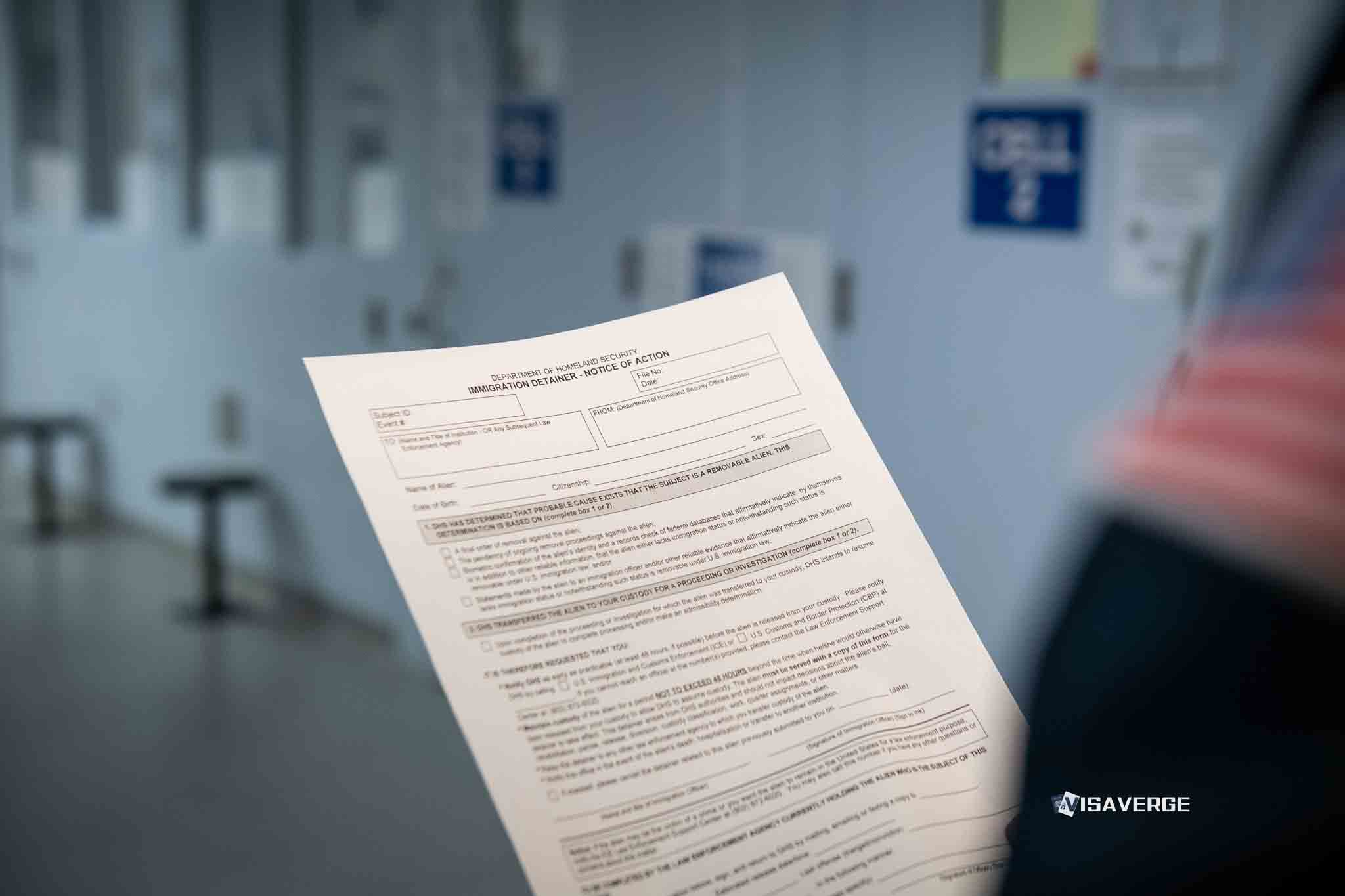
(AURORA, COLORADO) Jeanette Vizguerra-Ramirez, a well-known immigrant rights activist detained for nine months at the Aurora, Colorado ICE facility, is expected to walk out within days after an Immigration Judge ruled she can be freed on $5,000 bond, a decision that supporters say could bring her home in time for Christmas.
Recent ruling and expected release

Immigration Judge Brea Burgie issued the bond order on Sunday, December 21, 2025, following a hearing on Friday, December 19, 2025, where Vizguerra’s lawyers and the U.S. Department of Homeland Security argued over whether she should remain locked up while her deportation case continues. The bond is cash and must be posted before release processing starts, her supporters said.
Advocates tracking the case noted that paperwork and jail processing can still take time even after a judge sets bond. They expect her release to come on Tuesday, December 23, 2025, or Wednesday, December 24, 2025.
If you plan to post the $5,000 cash bond, organize the funds and a payment plan in advance. Confirm the exact payment method accepted and obtain a receipt to prevent processing delays before release.
Background and detention timeline
- Held since: March 17, 2025, when federal agents arrested her at her Target workplace.
- Age: 53
- Detained at the Aurora, Colorado ICE facility.
- Became one of the highest-profile detainees in the Denver immigrant community due to her activism.
The bond hearing occurred only after intervention by a federal judge. U.S. District Judge Nina Y. Wang ordered immigration authorities to provide Vizguerra with a bond hearing in a ruling dated December 17, 2025, finding her prolonged detention violated the Fifth Amendment’s Due Process Clause. Judge Wang said the detention had become unreasonably long and required that a hearing be held by December 24, 2025, according to court filings summarized by advocates.
Legal distinction: detention vs. deportation
Cases like Vizguerra’s illustrate how two tracks of immigration law can run simultaneously:
- One track challenges whether someone can remain in detention.
- The other track challenges whether someone can remain in the United States permanently.
A bond ruling:
– Does not erase a deportation order or grant legal status.
– Does decide whether the government can keep someone jailed while the larger case proceeds.
The immigration court system that holds these hearings is run by the Justice Department’s Executive Office for Immigration Review, which posts basic court information at https://www.justice.gov/eoir. 🇺🇸
Government’s arguments in court
Immigration and Customs Enforcement (ICE) argued Vizguerra should remain detained, citing:
- Flight risk and danger to the community
- Illegal entry near El Paso, Texas, in 1997
- A final deportation order
- Allegations of forging documents to obtain a Social Security card
- A 2009 conviction for driving without a license and without insurance
- Claims of unauthorized work
- Denial of a request for military parole connected to her daughter’s service (a discretionary step that can sometimes allow someone to remain for family reasons), according to her lawyers
Defense and supporters’ arguments
Her attorneys, led by Laura Lichter, presented a contrasting portrait:
- A mother and grandmother deeply tied to the Denver area
- Consistent compliance: has repeatedly shown up for required check-ins
- Previously received multiple stays of removal, meaning deportation was postponed
- Lichter argued the detention was punishment for public activism, not solely about risk
“This isn’t like any other case. This is about the animus that this administration has for Jeanette Vizguerra,” Lichter said, according to accounts of the hearing.
Supporters have long argued that her public profile both complicates and heightens the stakes of enforcement: it can make deportation harder to carry out quietly, but it also makes her a symbol during a time of tougher immigration enforcement. Vizguerra first became nationally known in 2017, when she sought sanctuary inside Denver’s First Unitarian Society Church to avoid deportation. Time magazine later named her one of its 100 most influential people, which helped raise money and attention for her family but also tied her to the politics of immigration enforcement.
Personal and family impact
- Origin: Mexico; Vizguerra says she crossed the border illegally in 1997 while fleeing threats against her husband.
- Family: Four U.S.-born children and three grandchildren
- One child recently enlisted and is in U.S. Air Force basic training after enlisting last month.
- Advocates say months of detention have strained family finances and created fear of sudden removal.
Ongoing legal options and political efforts
Even if bond is posted and she is released, Vizguerra’s legal fight can continue for years. Notable developments:
- A private bill in Congress, H.R. 4778 in the 119th Congress, seeks to give her permanent resident status.
- There was no update on its progress as of December 21, 2025.
- Private bills are rare and face long odds but can signal political support and buy time while other legal relief is sought.
Laura Lunn of the Rocky Mountain Immigrant Advocacy Network described Judge Wang’s order for a bond hearing as a “bold call to action,” reflecting broader efforts by attorneys to challenge lengthy civil detention that can feel like punishment.
According to analysis by VisaVerge.com, Vizguerra’s case fits a pattern where federal courts act as a backstop when immigrants argue ICE detention has continued too long without an individualized review.
The practical reality of bond and release
For many detained at the Aurora facility, the bond amount determines whether they return home:
- Even a few thousand dollars can be out of reach for families who lost a paycheck when a loved one was taken into custody.
- Bond must generally be paid in full to secure release.
- Supporters organizing around Vizguerra say they are preparing to post the $5,000 and are watching for ICE to complete processing—a wait that can feel endless even after a favorable legal decision.
Once released, conditions remain:
- She will face supervision and future court dates.
- ICE can still ask for removal at any time under the existing deportation order.
Even with a bond, release can take time due to paperwork and facility processing. Schedule travel, child care, and local arrangements ahead of time to avoid last‑minute stress if processing lags.
Friends in Denver said they plan to meet her outside the gates in Aurora with winter coats, food, and rides home when she is released.
Immigration Judge Brea Burgie granted a $5,000 bond to activist Jeanette Vizguerra after a federal judge ruled her nine-month detention was unconstitutionally long. Arrested in March 2025, Vizguerra is expected to be released from the Aurora facility by Christmas. While her deportation case and a potential private bill in Congress continue, the bond allows her to return to her family in Denver under supervision while fighting for legal status.