- ICE arrests in Phoenix tripled during fiscal year 2025, rising from 1,249 to 3,821 total cases.
- A sharp increase in non-custodial street operations shifted enforcement visibility into neighborhoods and workplaces.
- Data shows 70% of street-level arrests involved individuals with no prior criminal convictions.
(ARIZONA) — U.S. Immigration and Customs Enforcement tripled arrests in Arizona’s Phoenix Area of Responsibility in fiscal year 2025, as agents sharply expanded street operations after the second Trump administration took office in January 2025, according to ICE data and DHS reports.
Overall arrests rose from roughly 1,249 in FY 2024 to 3,821 in FY 2025, the official figures show. Total enforcement actions, including jail transfers, reportedly exceeded 6,000.
The change mattered on the ground because arrests track ICE taking people into custody, while broader enforcement actions can also include transfers from local jails. Those categories can move differently depending on whether ICE emphasizes street operations or custody-based handoffs.
Monthly totals stayed near prior levels early in the fiscal year, then accelerated after January 2025. Arrests held steady at approximately 175–190 per month between October and December 2024, before climbing to 364 in February and surpassing 800 in June.
By late summer, the rise continued instead of fading. Arrests reached a record high of 997 in September 2025, showing what the DHS materials described as a sustained operational ramp-up rather than a short surge.
Month-by-month trendlines help explain how ICE deploys agents and detention resources, and why communities can face changing patterns with little warning. Higher monthly levels can also amplify knock-on effects, from workplaces to schools to routine errands.
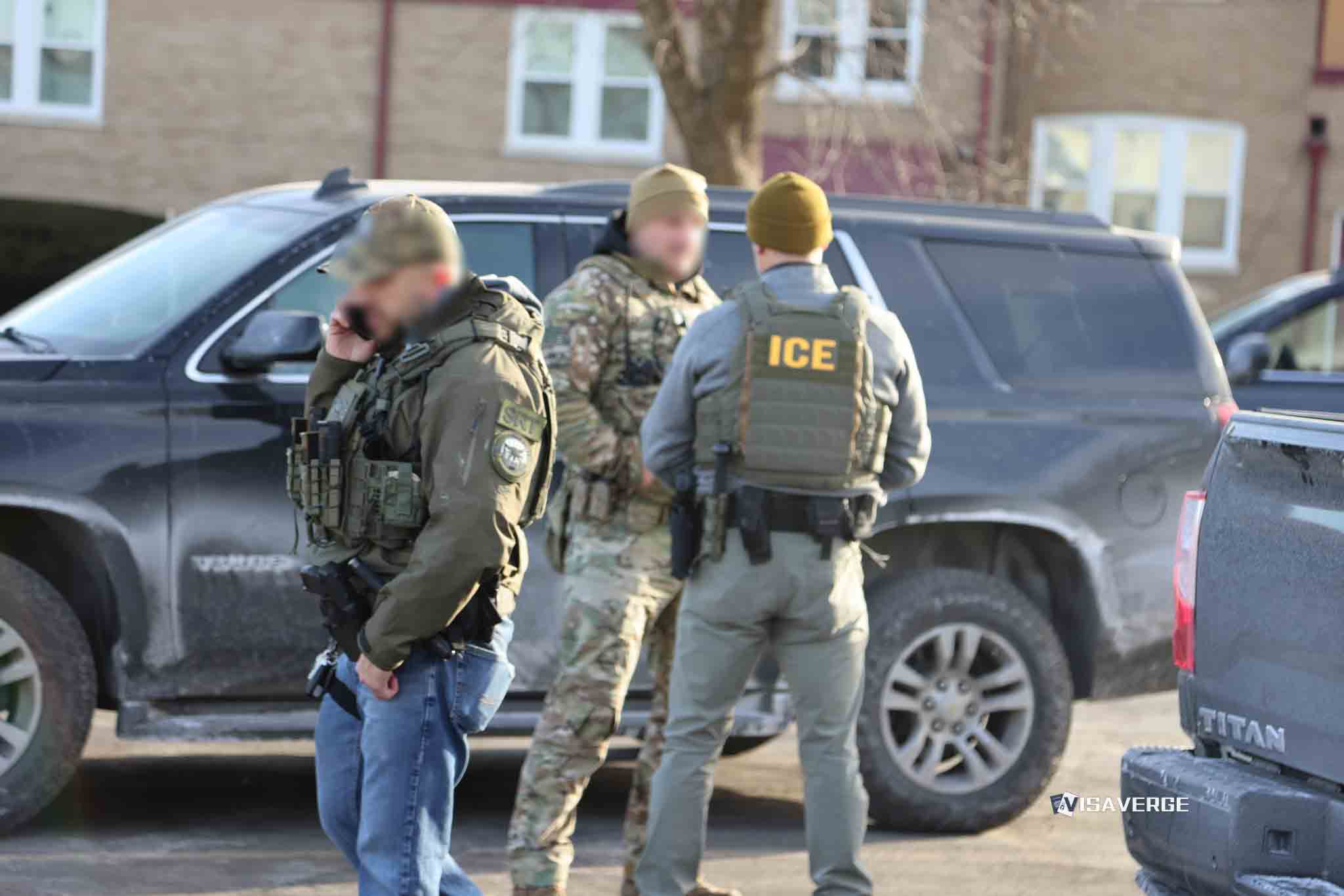
Non-custodial arrests grew alongside the overall increase, shifting enforcement into neighborhoods, workplaces, and public settings. ICE data described those actions as “street-level” or “non-custodial” operations, contrasting them with arrests that originate when people are already in local custody.
That shift changed the visibility of enforcement. In practice, it meant more ICE arrests away from jails and prisons, increasing the chance that family members, co-workers, or bystanders witness operations.
The Phoenix-area figures showed the street component rising sharply across the fiscal year. In October 2024, only 18 non-custodial arrests were recorded, and by August 2025 they reached 421, a nearly sevenfold increase.
Street operations also intensified the debate over who agents targeted. ICE’s own street-level data showed that by the end of FY 2025, nearly 70% of individuals arrested in street-level operations had no prior criminal convictions, and ICE classified them as “Other Immigration Violators.”
That label sits at the center of competing claims about enforcement priorities, because it can capture immigration violations without a prior criminal conviction. A lack of a prior conviction is not the same as lawful immigration status.
DHS framed its approach as a public-safety push, even as Arizona’s street-level data highlighted arrests of people without prior convictions in that category. “Every day, DHS is conducting law enforcement activities across the country to keep Americans safe. 70% of ICE arrests are of criminal illegal aliens who have been convicted or charged with a crime in the U.S.,” a DHS official statement said.
DHS and ICE tied the broader posture to policy changes that followed the January 2025 transition. One early marker came on January 21, 2025, when DHS rescinded the 2021 “Protected Areas” guidance and replaced it with a memo titled “Common Sense Enforcement Actions in or Near Protected Areas,” granting officers broad discretion to conduct arrests in those areas.
Capacity planning in Arizona also tracked the higher arrest tempo. In January 2026, DHS purchased a large warehouse in Surprise, Arizona, for $70 million, with plans to convert it into a 1,500-bed processing facility to support the increase in arrests.
The administration also expanded cooperation agreements with local law enforcement under the 287(g) program, DHS materials said. Those agreements grew to over 1,000 nationwide, enabling local jails to help identify people for transfer to ICE, which can increase custodial arrests and transfers even when street operations rise.
Arizona’s arrest profile reflected a dominant nationality and a smaller mix of others. Nearly 75% of those arrested in Arizona were Mexican nationals, followed by citizens of Guatemala and Venezuela, the figures show.
Community concerns focused less on spreadsheets than on what residents described as unpredictable ICE arrests in daily life, including street operations and other enforcement actions. Local activists raised fears about disruptions and reluctance to report crime or seek services, as arrests became more visible in public settings.
Phoenix police sought to separate city policing from federal immigration enforcement while acknowledging limits on what local officers can do. The Phoenix Police Department said in a January 26, 2026 statement that while it does not participate in ICE operations, it “cannot interrupt or prevent” them.
DHS officials, meanwhile, publicly celebrated what they described as record results. “In President Trump’s first year in office, ICE law enforcement relentlessly targeted the worst of the worst criminal illegal aliens across our country. Our New Year’s resolution for 2026: more worst of the worst arrests,” a DHS spokesperson said on December 30, 2025, according to a DHS press office recap posted by DHS.
Assistant Secretary Tricia McLaughlin echoed that framing in a statement dated January 20, 2026. “On President Trump’s first day in office, he unleashed ICE to target the worst of the worst criminal illegal aliens. Today, we thank our law enforcement for a record-breaking first year of achievements including more than 670,000 removals and two million self-deportations,” she said.
Oversight and legal scrutiny also tracked the operational shift, with lawmakers pointing to alleged harms from raids. A October 20, 2025 letter from the House Judiciary Committee alleged that U.S. citizens have been wrongfully detained during these operations, a claim cited alongside concerns from the American University’s Investigative Reporting Workshop.
Several sets of official documents underpinned the numbers and the political dispute. ICE’s Enforcement and Removal Operations statistics published by ICE provided the Phoenix-area arrest counts and the street-level breakdown, while DHS press materials posted by DHS supplied public statements about goals and results.
The House Judiciary Committee oversight letter, posted on a House website, laid out lawmakers’ concerns about raid practices and alleged wrongful detentions, citing what it described as “indiscriminate” operations. The committee published correspondence at house.gov.
At the national level, DHS offered a different set of metrics that it said showed broader improvements at the border alongside stepped-up interior enforcement. In its “Year in Review 2025,” DHS reported that border encounters decreased by 93% compared to the previous year and that total nationwide removals exceeded 622,000, while highlighting “Operation Midway Blitz,” according to the DHS year-end summary posted by DHS.
National trends and local operations can move on different tracks, because an overall decline in encounters at the border does not determine how ICE allocates resources to Arizona street operations or custody-based transfers. What comes next, DHS materials indicate, includes continued implementation of the protected-areas guidance change, the Surprise facility plan, and ongoing oversight tied to arrest practices.