- Volunteers started patrolling Minneapolis school zones to protect families from federal immigration enforcement actions.
- Operation Metro Surge involves more than 2,000 officers conducting door-to-door actions and traffic stops.
- Schools moved to remote learning through February following a fatal ICE shooting and widespread safety concerns.
January 2026 — Community volunteers began patrolling streets around Minneapolis schools with walkie-talkies and Signal messaging groups as an ICE surge called Operation Metro Surge intensified across the Twin Cities in January 2026. Parents and students said the patrols are meant to help families move between home, bus stops and school buildings as federal enforcement actions become more visible in daily routines, including near campuses.
Operation Metro Surge, described by the Department of Homeland Security as “the largest immigration enforcement operation ever carried out,” began in December 2025 and escalated into January 2026 with a broader federal presence across neighborhoods and commercial areas. Organizers of the patrols said they are focusing on predictable choke points in family schedules, including school drop-offs, pickups and bus routes, where fear of encounters has disrupted attendance and shortened commutes.
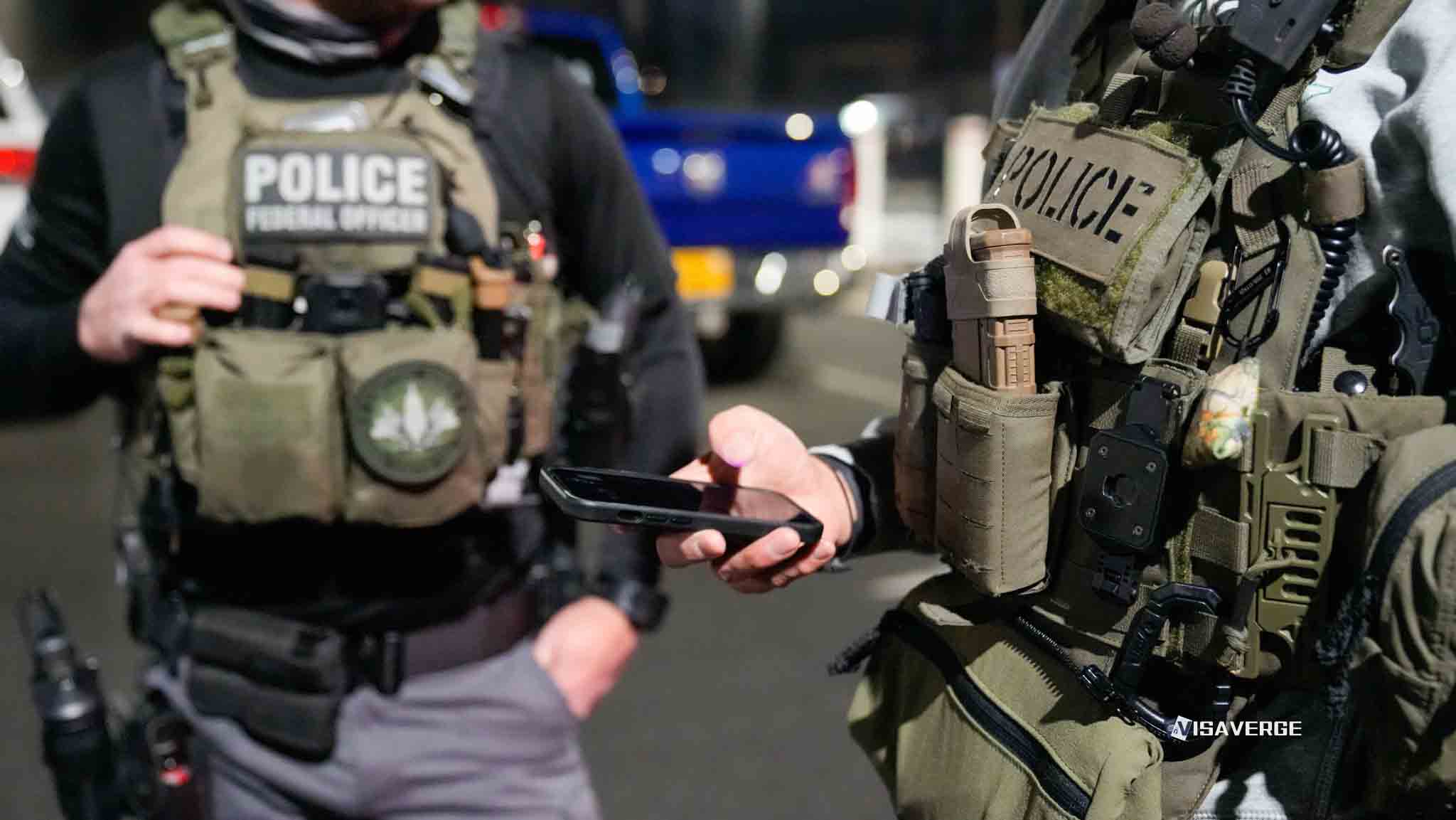
A traffic stop in south Minneapolis on January 7, 2026 pushed the operation into the center of school planning and city politics after an ICE officer fatally shot Renee Nicole Good, a 37-year-old U.S. citizen and mother, inside her car. Protests followed, and families described heightened fear about travel to and from Minneapolis schools.
Minneapolis school leaders responded by closing all schools on January 8-9 and then offering virtual learning options through February 12. Families said remote options helped some students stay connected, but also created immediate childcare pressures and raised questions about attendance, meals and special education logistics in a district built around in-person services, as outlined in updates on remote learning.
Grassroots organizers said the street patrols grew as reports of enforcement activity spread quickly through neighborhood networks, especially around school zones and transit corridors. Volunteers described sharing real-time location notes through group chats and scanning for activity near crosswalks and bus stops, trying to reduce panic for families who still needed to get children to class or to district meal sites.
Federal activity has been reported in multiple forms, from door-to-door actions to traffic stops and retail-area enforcement, with residents and observers describing encounters that are hard to document as they unfold. The Department of Homeland Security deployed more than 2,000 officers to the Twin Cities, and community members said the scope of the operation made it difficult to verify each account in real time, especially when events moved from one block to another.
In Burnsville on December 6, agents forced their way into a residence and arrested four people, including the parents of a seven-year-old boy. Elsewhere, residents reported people being pulled from vehicles and detained, with arrests that included immigration violations and charges like “interfering with operations while filming,” part of a pattern described in reporting on ICE operations rising.
Outside Roosevelt High School on January 8, federal agents tackled people and used chemical irritants, with eyewitnesses reporting agents hitting people already on the ground. Residents also reported retail raids, including a Target store in Richfield where workers were arrested, and confrontations with observers during street actions tied to what some local leaders have described as a massive crackdown.
Accounts of confrontations widened on January 13 during a raid in Powderhorn Park, Minneapolis, when ICE agents pushed an observer’s head into cement before detaining him, residents said. Organizers of school-area patrols said stories like that deepened the chilling effect, with families altering errands, canceling appointments, and choosing longer routes to avoid areas where agents had been spotted.
School transportation became a flash point during the week of January 13-17, when St. Paul Public Schools reported that two district contract vans were pulled over by ICE agents with students and staff on board. The district implemented protocols requiring drivers to keep vehicle doors closed and notify managers before complying with agent requests, steps meant to reduce confusion for children and to create a consistent response for contracted transportation staff.
Aquila Elementary School also changed its pickup procedures due to persistent ICE presence at the school and an adjacent apartment building. A PTA member described the attendance impact in blunt terms:
“Kids are missing school because ICE keeps cracking down on this city, this community, and specifically this neighborhood, these few blocks here, almost every day.”
District staff and advocates said changes at drop-off points can ripple quickly into tardiness and staffing strains, especially when families delay departures or avoid usual routes. Preparations have included guidance for front offices and transportation teams on how to respond if federal agents appear at or near campuses, an effort described in coverage of school visit planning.
Students also moved beyond social media organizing into in-person protest, with Maple Grove High School students walking out of classes on January 12. Approximately a couple hundred students participated, organizers said, and similar walkouts were planned at Roosevelt High School in Minneapolis.
Labor unions and community organizations called for a January 23 general strike in response to the ICE surge. Faith and mutual-aid networks also expanded support for families who stayed home, with a Minneapolis church delivering over 12,000 boxes of food to families in hiding during the operation, reflecting the wider mobilization described by faith communities.
Legal and political opposition escalated alongside the street-level response, led by Minnesota Attorney General Keith Ellison, who filed a lawsuit on behalf of the State of Minnesota, Minneapolis, and Saint Paul to halt ICE operations. The suit alleges racial profiling and unconstitutional enforcement practices, and Ellison framed the impact broadly across the state:
“The unlawful deployment of thousands of armed, masked, and poorly trained federal agents is hurting Minnesota. People are being racially profiled, harassed, terrorized, and assaulted.”
Minneapolis Mayor Jacob Frey signed an executive order banning federal officials from using city property for staging areas and criticized the scale of the deployment in city terms. Frey called the ICE deployment “not sustainable” and an “impossible situation,” as state and local officials weighed how to respond while enforcement actions continued in neighborhoods, a debate also addressed by Walz and Twin Cities leaders.
Governor Tim Walz ordered the Minnesota National Guard to be “staged and ready” to help maintain peace and allow for peaceful demonstrations, as protests followed the January 7 shooting and subsequent enforcement reports. Residents said the combined presence of federal agents, local police and protest crowds added to the sense of volatility around school commutes and retail corridors.
City resources were strained as Minneapolis Police officers worked more than 3,000 hours of overtime by January 9, with estimated overtime costs exceeding $2 million for the period between January 8-11 alone. The overtime burden landed on top of regular staffing demands, as officers were pulled into crowd control and response calls linked to enforcement activity and demonstrations.
Businesses described a sharp drop in foot traffic as residents avoided some areas amid ICE violence concerns, with customer-facing businesses in Minneapolis reporting revenue decreases of 50-80%. Families said missed work, delayed appointments and childcare gaps compounded the pressure, leaving Minneapolis schools and neighborhood employers trying to adapt day by day as Operation Metro Surge continued to shape how residents moved through the city.