(WASHINGTON) — Researchers at the University of Washington Center for Human Rights reported on thursday that immigration and customs enforcement was able to query Washington state driver’s license and vehicle data into mid-November 2025, even as state agencies said they had moved to cut off access.
The UWCHR report found that federal immigration agencies overall continued querying that data through at least November 30, 2025, drawing on figures and records the group obtained from Washington agencies.
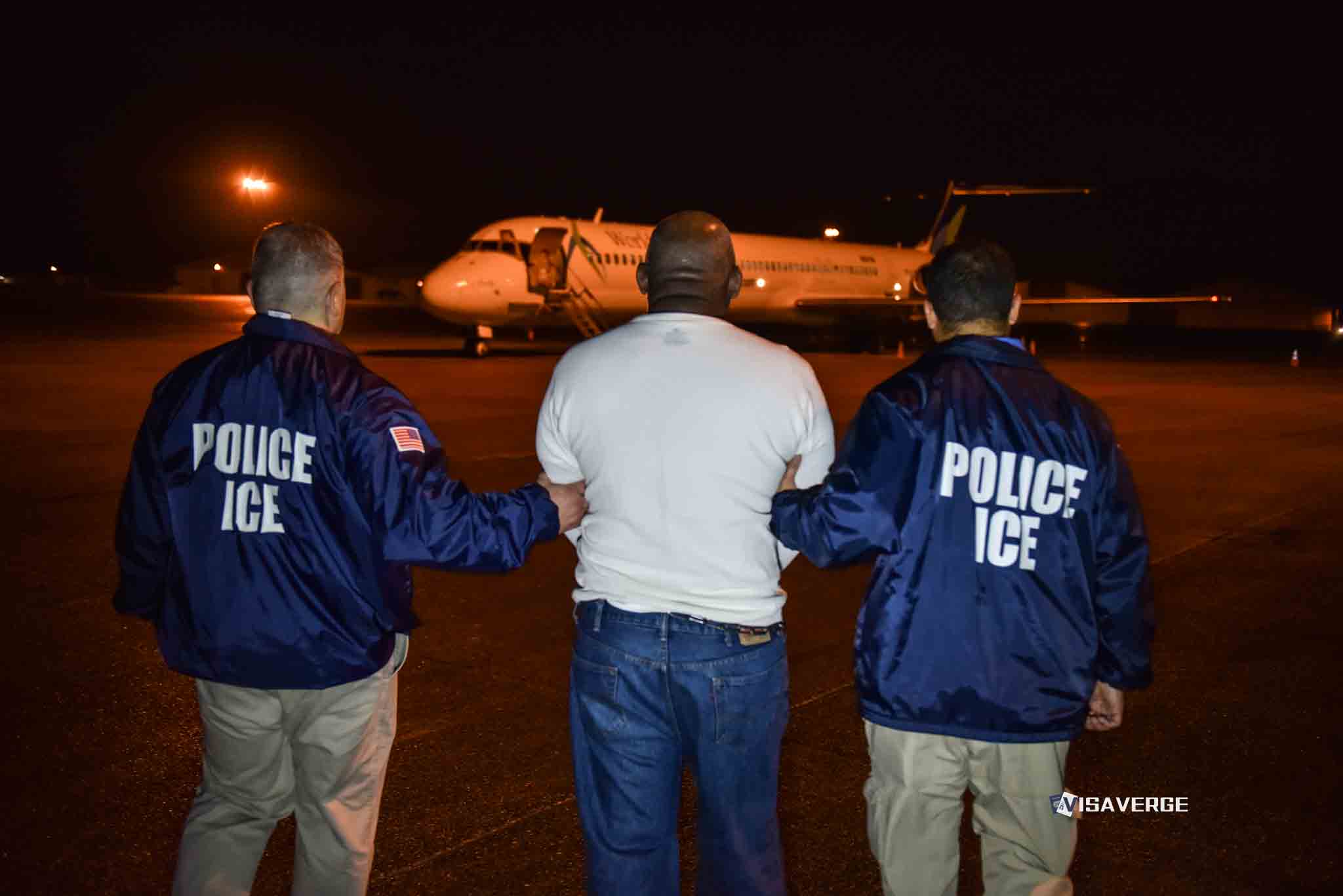
UWCHR verified nine immigration enforcement cases in which Washington drivers were arrested after their license plate was run through the Department of Licensing database via ACCESS/Nlets by federal immigration agencies.
The findings are detailed in UWCHR’s January 8, 2026 report, “Roadside Assist: Washington State’s Continued Sharing of Drivers’ Information with Federal Immigration Enforcement,” led by Angelina Godoy, the center’s director.
ACCESS/Nlets refers to a law-enforcement network used to exchange information, and the report focuses on how Washington driver and vehicle data was queried through that system.
Washington State Patrol and the Department of Licensing told UWCHR in writing that ICE Enforcement and Removal Operations’ access to DOL data via ACCESS/Nlets was cut off on November 19, 2025.
“ICE access to Nlets was shut off on November 19”
A joint statement from DOL and WSP, transmitted through the Governor’s Office, said, “ICE access to Nlets was shut off on November 19” and described implementation delays after the governor’s directive earlier in November.
UWCHR’s report, however, describes evidence that ICE was still able to obtain live DOL driver and vehicle data via ACCESS/Nlets through at least November 16, 2025, three days before the cutoff date the state agencies provided.
The last confirmed case occurred on November 16, 2025 in Gresham, Oregon, involving a Washington resident who had just left a latino grocery store when ice officers spotted him, the report said.
ICE records in the case state officers were “performing systems checks on vehicles moving near the location of a targeted subject.”
Washington State Patrol records show that on November 16 an ICE Originating Agency Identifier performed a Vehicle Registration Query via Nlets/ACCESS on the car’s Washington license plate, and DOL responded with the driver’s personal information, after which the driver was arrested, UWCHR said.
The report’s broader accounting covers a much larger volume of activity by federal agencies using the Washington database.
Between January 1, 2025 and november 30, 2025, federal agencies used access/Nlets to query Washington DOL data 2,671,776 times, according to figures DOL supplied to UWCHR.
UWCHR noted that the total includes lawful uses, such as document checks at the U.S.–Canada border, but said the nine confirmed immigration arrests “likely represent a mere fraction” of immigration-related uses.
“likely represent a mere fraction”
In at least eight of the nine confirmed cases, the queries were run by U.S. Customs and Border Protection Originating Agency Identifiers, not ICE, even when ICE later made the arrest, UWCHR said.
At least seven of the nine cases were categorized by UWCHR as civil immigration enforcement, not criminal.
That distinction matters under Washington law, UWCHR said, and Godoy emphasized at a press briefing that in at least seven cases arrests stemmed from license plate checks rather than criminal investigations.
State agencies described their actions as targeting a specific part of ICE, while UWCHR argued that broader access remained in place through other components.
In written correspondence dated December 12, 2025, WSP told UWCHR that while Washington had blocked ICE ERO access via ACCESS/Nlets, Homeland Security Investigations, an ICE sub-agency, and CBP still had access.
The report framed that continued access as central to why Washington driver and vehicle information could still be used in immigration enforcement activity even after the cutoff described for ICE ERO.
Because CBP made most of the documented queries and retained access after November 19, UWCHR concluded there is “no reason to believe that this process does not continue to date.”
“no reason to believe that this process does not continue to date.”
DOL and WSP tied the timing of the cutoff to a directive issued from Governor Bob Ferguson’s office.
The joint statement said Ferguson’s office directed DOL and WSP to shut off ICE’s access to DOL data through Nlets “as early as Nov. 7, 2025,” but the agencies said it “took longer than anticipated” for the WSP data vendor to implement the change.
The agencies said the change finally took effect “the morning of Nov. 19, 2025.”
After that date, WSP reported that “thousands of attempted queries from ICE have been denied.”
“thousands of attempted queries from ICE have been denied.”
UWCHR’s report did not describe those attempted queries in detail, but it contrasted the state’s depiction of blocking ICE ERO with the report’s findings about CBP-led queries in the cases UWCHR documented.
The report’s case review focused on how license plate checks can connect a vehicle to personal information held in Washington’s driver and vehicle records, and how that can be used by federal immigration agencies in enforcement actions.
In the Gresham case on November 16, UWCHR said Washington State Patrol records indicated the Vehicle Registration Query returned the driver’s personal information from Washington’s DOL, which was followed by an arrest.
The report described that sequence as confirming continued live access to Washington DOL data via ACCESS/Nlets at least through November 16.
UWCHR also described the timeline as extending into late November 2025 for federal agencies overall, based on the query total provided by DOL through November 30, 2025.
While ICE is the agency most commonly associated with interior immigration enforcement, UWCHR’s verified cases pointed more often to CBP identifiers conducting the plate and registration lookups.
In at least eight of the nine cases, UWCHR said, the queries were run by CBP Originating Agency Identifiers, even when ICE later carried out the arrest.
The report placed those findings alongside the written correspondence UWCHR obtained from Washington State Patrol on December 12, 2025, which said CBP and Homeland Security Investigations still had access after ICE ERO was blocked.
UWCHR’s description of civil enforcement also featured prominently.
At least seven of the nine cases were categorized by UWCHR as civil immigration enforcement rather than criminal, a point the report linked to Washington’s legal framework and to Godoy’s emphasis on the nature of the plate checks.
The report did not provide additional quotations from Godoy beyond its description of her remarks at a press briefing.
UWCHR’s account also included details from ICE records, including the statement that officers were “performing systems checks on vehicles moving near the location of a targeted subject” in the November 16 case.
The report said the driver in that case was a Washington resident who had just left a Latino grocery store when ICE officers spotted him.
In presenting its findings, UWCHR drew attention both to the state’s stated cutoff date for ICE ERO access and to the continued ability of federal immigration agencies to run Washington license plate and registration checks through late November 2025.
Washington officials, through DOL and WSP, described the cutoff as an implementation effort that began with a governor’s office directive in early November and took effect on November 19, 2025.
UWCHR documented activity up to November 16, 2025 involving an ICE Originating Agency Identifier performing a Vehicle Registration Query, and it documented broader federal querying through November 30, 2025, based on DOL’s figures.
The report’s conclusion that there is “no reason to believe that this process does not continue to date” rested on its finding that CBP made most of the documented queries and retained access after November 19, as described in WSP’s correspondence and the agencies’ statements.
UWCHR’s report, issued on January 8, 2026, framed its findings as evidence of continued sharing of Washington driver and vehicle information through a law-enforcement network used for rapid database checks.
For Godoy and UWCHR, the nine verified arrests tied to license plate queries served as concrete examples within a much larger pool of 2,671,776 federal queries of Washington DOL data recorded between January 1, 2025 and November 30, 2025.
The report said those nine confirmed immigration enforcement cases “likely represent a mere fraction,” even as state agencies pointed to the cutoff for ICE ERO and reported that “thousands of attempted queries from ICE have been denied.”
Researchers at the University of Washington found that federal immigration agencies queried state driver data millions of times in 2025. Although state officials aimed to halt ICE access by mid-November, evidence shows CBP and other sub-agencies continued using the Nlets network for license plate checks. These queries directly led to civil immigration arrests, raising concerns about the gap between state policy and federal database access.