(MINNEAPOLIS–ST. PAUL, MN, USA) — U.S. Immigration and Customs Enforcement launched what federal officials described on Tuesday as the “largest immigration operation ever” in the Minneapolis–St. Paul area, deploying a surge of agents under a campaign called Operation Metro Surge.
Overview
The operation was presented by federal officials as a large, high-visibility enforcement push aimed at rooting out fraud and arresting people the agency describes as criminals. It has been framed by the administration as the first major target of President Trump’s expanded immigration crackdown in 2026, with Minneapolis–St. Paul used as a focal point for the early phase.
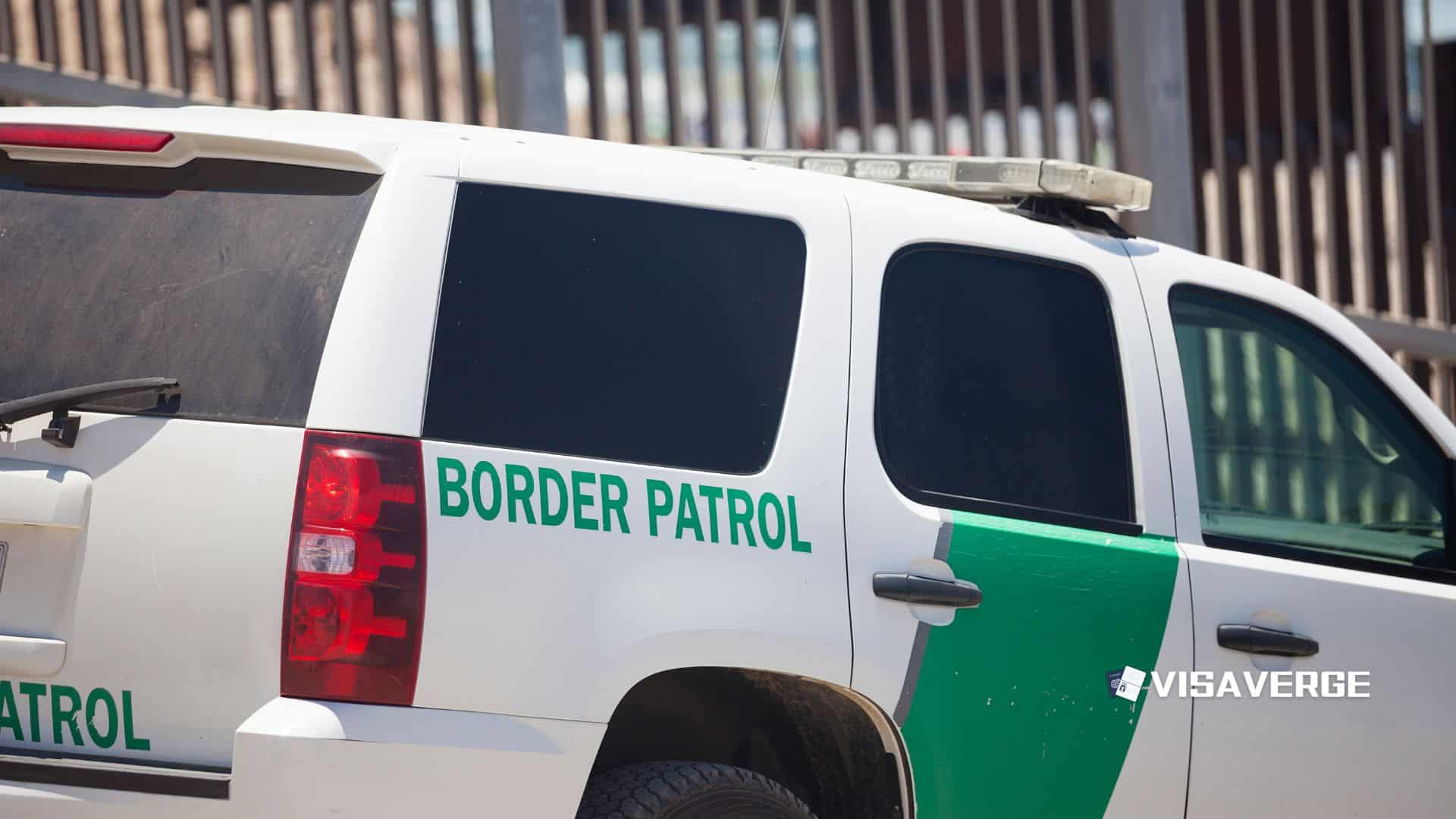
Leadership and Public Statements
- Acting ICE Director Todd Lyons described the deployment in a televised interview with Newsmax on January 6, 2026, calling it the “largest immigration effort ever” and the “largest immigration operation ever taking place right now.”
He said the operation is aimed at “rooting out fraud and arresting people the agency describes as criminals.”
- DHS Secretary Kristi Noem traveled to Minnesota to take part in the operation, according to a DHS press release titled “DHS Secretary Kristi Noem Hits the Streets with ICE Agents on Major Minneapolis Enforcement Operation.” The release said she was present during the arrest of Tomas Espin Tapia, a fugitive wanted for murder in Ecuador.
-
Tricia McLaughlin, DHS assistant secretary, said DHS is “surging to Minneapolis to root out fraud, arrest perpetrators and remove criminal illegal aliens.” McLaughlin said agents have made more than 1,000 arrests since resources were first deployed to the region.
Scope, Personnel, and Timeline
Federal officials described the operation as including up to 2,000 federal agents rotating through the Twin Cities in a planned 30-day surge that officially escalated on Sunday, January 4, 2026.
Personnel types involved:
1. Deportation officers from ICE Enforcement and Removal Operations
2. Investigators from Homeland Security Investigations
3. Personnel from U.S. Customs and Border Protection
Arrests, Targets, and Allegations
- DHS said over 1,000 arrests have been made in the region since the initial phase began in early December.
- On January 5, 2026, DHS reported the arrest of 150 individuals in the country illegally.
The department has described its targets in two broad categories:
– Individuals alleged to be involved in large-scale fraud connected to government-funded programs, including child nutrition and housing.
– Individuals with active criminal warrants, including examples such as murder and sexual assault; DHS has described some targets as “criminal illegal aliens” previously released into the country.
Federal officials have linked the Minnesota focus to ongoing federal investigations into pandemic-era fraud, with materials tying some schemes to the state’s Somali community, which the administration described as the largest in the U.S.
Community Impact and Local Reaction
The increased presence of agents has been widely felt across the metro area. Local reports indicated some immigrants have avoided public life — including grocery stores and medical care — because of the visible presence of armed federal agents in residential neighborhoods.
Political and community responses:
– Rep. María Isa Pérez-Vega criticized the tactics as “dehumanizing.” A Minnesota House of Representatives release dated January 5, 2026 reported incidents that included the use of pepper spray on community observers during operations in St. Paul’s West Side.
– Accounts of confrontations during enforcement actions, and Pérez-Vega’s statement, highlighted escalating political and community tensions surrounding the operation.
Messaging and Public Outreach
ICE amplified the operation’s messaging on its official account on X on January 6, 2026, posting:
“A 100% chance of ICE in the Twin Cities — our largest operation to date. If you’re a criminal illegal alien and/or you are engaged in fraud, expect a visit from ICE.”
Officials have emphasized making the operation both large-scale and public, using senior leadership appearances and social media to underscore visibility.
Additional Measures and Incentives
DHS promoted what it called a “CBP Home App,” encouraging people to “take control of their departure.” The department offered $1,000 and a free flight for those who choose to self-deport.
🔔 Confirm any self-deportation offers directly with official CBP or DHS channels. Do not rely on third‑party promises and verify eligibility, steps, and consequences before considering departure.
Key Dates and Numbers
| Item | Figure / Date |
|---|---|
| Planned surge duration | 30 days |
| Official escalation date | Sunday, January 4, 2026 |
| Reported arrests since early December | Over 1,000 |
| Arrests reported on January 5, 2026 | 150 |
| Maximum agents rotating through Twin Cities | Up to 2,000 |
| Self-deportation incentive (CBP Home App) | $1,000 + free flight |
Summary of Themes and Tensions
- The administration framed Operation Metro Surge as both an enforcement and fraud-investigation effort, emphasizing arrests and removal while promoting voluntary departures via incentives.
- DHS and ICE stress a focus on fraud and criminality, while local officials and community members describe fear, disruption to daily life, and confrontations during operations.
- The operation’s scale, public posture, and political visibility — including senior DHS participation — underscore the administration’s intent to make the effort a high-profile example of its 2026 immigration enforcement approach.
Federal agencies have launched Operation Metro Surge in the Twin Cities, involving 2,000 agents and resulting in over 1,000 arrests. The operation targets pandemic-era fraud and individuals with criminal records. While officials emphasize law enforcement and offer incentives for self-deportation, the community faces severe disruption and fear. Local leaders have criticized the tactics as dehumanizing, highlighting a growing tension between federal enforcement and civil rights.