

(HAMMOND, LOUISIANA) — U.S. Immigration and Customs Enforcement is considering expanding detention capacity by converting large warehouses into detention facilities, including a proposed site in Hammond on Louisiana’s North Shore, according to The Washington Post as reported by WWLTV on December 25, 2025.
Internal ICE documents reviewed in the reporting outline plans to detain more than 80,000 immigrants simultaneously during deportation processing, using multiple warehouse-style sites nationwide. The plan is not final and is subject to change.
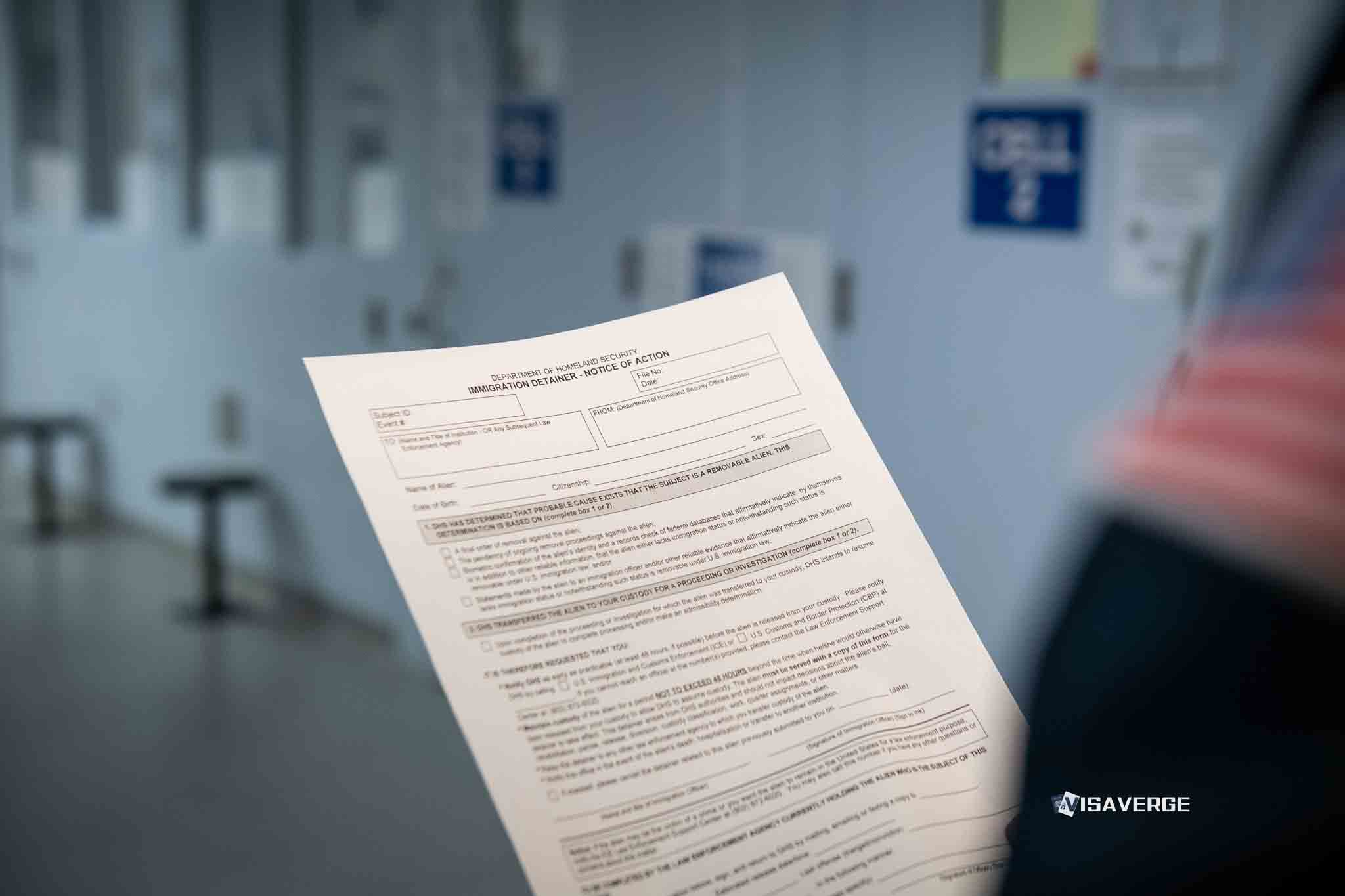
DHS provided no comment on the Washington Post reporting, according to WWLTV. No purchases or retrofits had been confirmed as of December 25, 2025.
The reporting tied the proposed Hammond site to a broader push to use large warehouse buildings as part of a detention expansion strategy. The internal documents describe a nationwide approach, though other proposed U.S. sites were not specified in the available reports.
Separate reporting earlier this year pointed to the same warehouse concept but did not name locations or include the over-80,000 figure. NBC reported on November 7, 2025, that ICE was eyeing warehouses near southern U.S. airports—typically twice the size of current facilities—to boost deportation efficiency.
No sources in the reporting confirmed a specific Arizona warehouse. The Washington Post account, as described by WWLTV, centered on the plan’s scope and the inclusion of Hammond, rather than identifying an Arizona site.
White House border czar Tom Homan defended the approach as part of a stepped-up deportation effort tied to airport-based logistics.
“We’re enforcing the law, and we’re gonna continue to enforce the law because this country is much safer,” Homan said.
DHS and White House officials cited increased efficiency for deportations from southern U.S. airports, according to the reporting. The warehouse concept described by NBC in November focused on moving people through deportation processing more quickly by placing detention closer to departure points.
Civil rights advocates in Louisiana criticized the Hammond proposal in stark terms. The ACLU of Louisiana called it “a horrific escalation of this administration’s dehumanizing and unconstitutional immigration agenda,” according to the WWLTV report.
“The plan to ‘warehouse 80,000 human beings’ in Hammond ‘has nothing to do with public safety’ but aims to ‘enrich private prison companies while trampling constitutional rights,’” the organization’s statement, as quoted by WWLTV, framed the proposal as a fundamental shift in the scale and structure of detention.
The reporting described the idea as a potential expansion of the government’s ability to hold immigrants while deportation cases are processed. Under the internal ICE documents cited, the network of warehouse-style sites would be designed to increase total detention capacity well beyond current levels.
Even as the proposal drew objections, the documents and related reporting emphasized the preliminary nature of the plan. As of December 25, 2025, no confirmed purchases or retrofits had been reported, and the proposal remained subject to change.
Keep records of all official statements and deadlines; contact legal aid or civil rights groups if you encounter detentions processing delays or lack of due process.
Hammond’s inclusion in the internal planning documents placed the North Shore city into a national debate over ICE detention and the use of large industrial buildings for immigration enforcement. The ACLU of Louisiana’s statement summed up the opposition from advocates, calling the proposed Hammond facility “a horrific escalation of this administration’s dehumanizing and unconstitutional immigration agenda.”
U.S. Immigration and Customs Enforcement is exploring a plan to use large warehouses, including a site in Hammond, Louisiana, to detain 80,000 immigrants. The strategy aims to increase deportation efficiency near southern airports. While officials emphasize national security and logistics, advocates like the ACLU criticize the move as an unconstitutional and dehumanizing escalation of immigration policy. No final decisions or purchases were confirmed by late December 2025.


