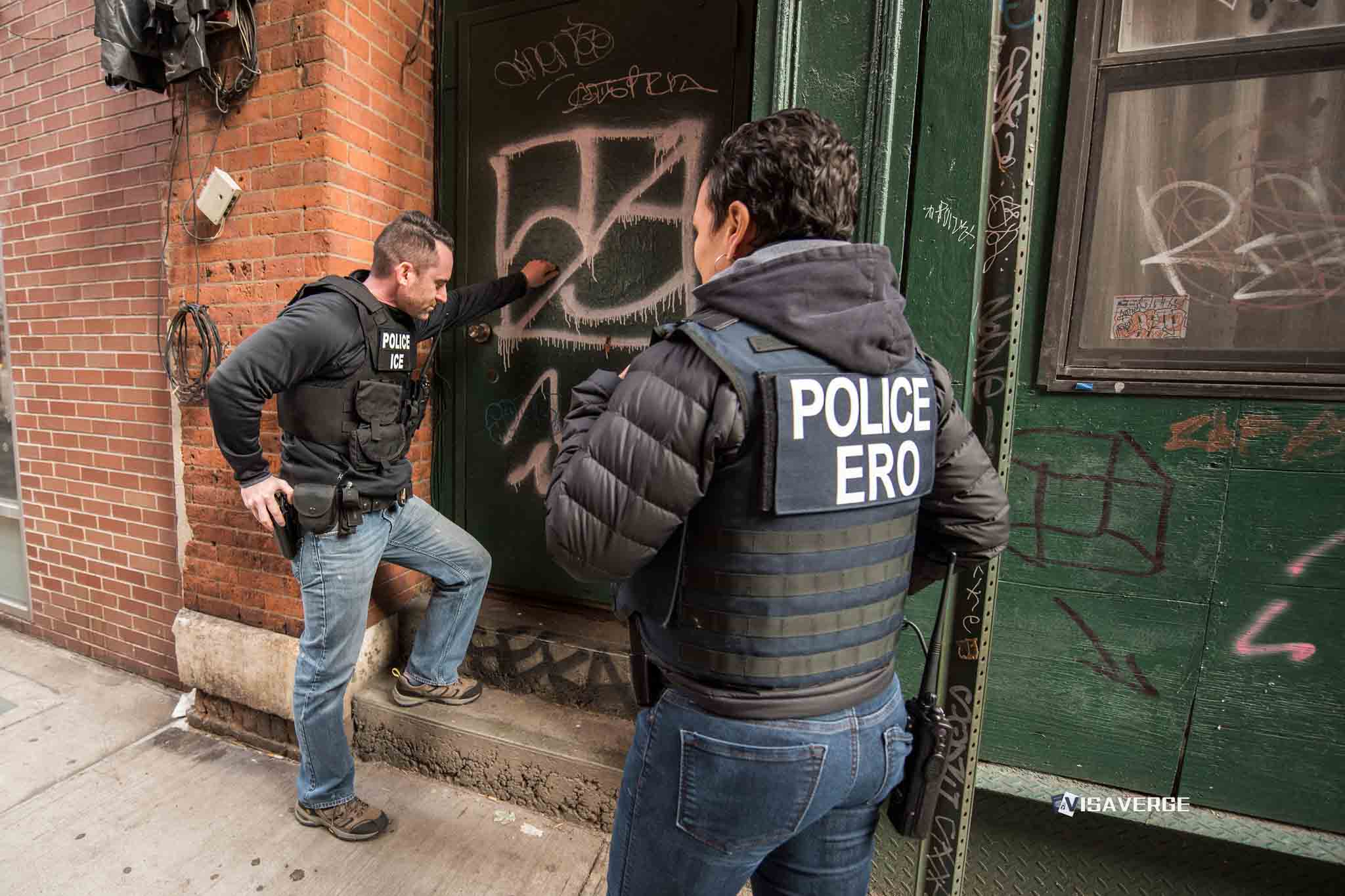
- ICE arrested 261 DACA recipients in 2025, with 92% reportedly having criminal histories or pending charges.
- Conflicting DHS data shows discrepancies in deportation counts, prompting lawmakers to demand official clarification by March 2026.
- The administration maintains DACA provides no legal status or automatic protection against detention and removal proceedings.
(UNITED STATES) — ICE arrested 261 DACA recipients between January 1 and November 19, 2025, and deported 86 of them, according to a Department of Homeland Security letter to Sen. Dick Durbin (D-IL) that also said 241, or 92%, had criminal histories including pending charges or convictions.
DHS Secretary Kristi Noem provided those figures in the letter, placing a new set of numbers on an issue that has drawn scrutiny from lawmakers, immigration attorneys and advocates as more DACA recipients enter detention and removal proceedings.
Separate DHS responses to Congress reported different totals. One response listed 270 arrests and 174 removals through September 28, 2025, discrepancies that prompted Reps. Delia C. Ramirez (D-IL) and Sylvia Garcia (D-TX) to seek clarification by March 13, 2026.
The conflicting counts have sharpened questions on Capitol Hill over how many DACA recipients ICE has detained, how many have been removed, and what kinds of criminal allegations or convictions are driving those cases.
DACA, created in 2012, shields ~530,000 people from deportation but offers no path to citizenship. The program lets recipients apply for temporary protection from removal and work authorization, but it does not grant legal status.
That distinction sits at the center of the current enforcement fight. DHS Assistant Press Secretary Tricia McLaughlin said DACA provides no automatic deportation protection or legal status, allowing detention and proceedings despite active status.
For DACA recipients, that means an approved renewal or current protection does not stop ICE from arresting them or placing them in removal proceedings. Attorneys say that legal reality has become more visible as enforcement has intensified.
Lawmakers and advocacy groups say the pace of detentions has climbed since President Trump began his second term. Since the start of Trump’s second term, nearly 200 DACA recipients have been detained and at least 80 deported, according to lawmakers and FWD.us.
Those numbers have fueled a broader debate over whether the administration is targeting people who had long been treated as a lower priority for enforcement. Attorneys working on these cases say the shift reaches beyond people with serious criminal histories and now includes recipients with active DACA status and, in some cases, no criminal record.
José Manuel Godínez-Samperio, an attorney in Bradenton, Florida, described what he sees as a break from prior treatment of DACA recipients. He called it a “coordinated effort to weaken” the program.
Democratic senators have focused on the administration’s reliance on criminal history figures. Durbin, Alex Padilla (D-CA), and Mark Kelly (D-AZ) have questioned how severe those records are, arguing that DACA’s renewal background checks make serious crimes less likely and pressing DHS for more detail on the charges involved.
Noem’s letter said 241 of the 261 people arrested between January 1 and November 19, 2025, had criminal histories that included pending charges or convictions. That left 20 who were not included in that category, though the available figures do not break down their cases further.
The alternate DHS data raised a separate problem. A response showing 270 arrests and 174 removals through September 28, 2025, appears to cover a shorter time period while listing higher totals in both categories than the figures in Noem’s letter.
That gap has become part of the story itself. Ramirez and Garcia demanded clarification after DHS gave Congress those different numbers, adding pressure on the department to explain its methodology and reconcile the counts.
The dispute is not only about arithmetic. It also goes to the treatment of DACA recipients in immigration custody, where lawyers say release has grown harder to obtain.
Active DACA does not bar detention or removal proceedings. Attorneys say it has become more difficult to win bond or dismissal amid a wider push for mass deportations.
That leaves some recipients in a narrow position. They may still hold current DACA protection or have filed a renewal, yet remain in ICE custody while their immigration cases move forward.
One case that drew attention involved Juan Sebastian Chavez Velasco, a Texas medical lab scientist. He was detained for about one month while driving milk to his premature baby in a neonatal intensive care unit, even though he had active DACA and had submitted a renewal.
His case became a vivid example for advocates arguing that immigration enforcement is reaching into the lives of people who had been vetted, are working, and have deep family ties in the United States. It also showed how detention can disrupt caregiving and employment even before any final immigration ruling.
Other detainees with no criminal record have also been reported. Those cases have added to Democratic demands for charge-level detail rather than broad references to pending charges or convictions.
That debate matters because DACA recipients already pass repeated screening as part of the program’s renewal process. Lawmakers questioning DHS have argued that a simple count of people with any criminal history does not show whether the conduct involved serious offenses or minor cases.
McLaughlin’s position, however, reflects the administration’s legal reading of the program. DACA offers temporary forbearance, not a guarantee against arrest, and DHS says that allows officers to detain recipients and place them in proceedings even when their DACA remains active.
The Trump administration has long viewed DACA as temporary forbearance. That view has shaped how officials frame the recent arrests, treating the program as discretionary relief rather than a durable barrier to enforcement.
Critics say that approach betrays a population that had already been screened and allowed to work. Todd Schulte, president of FWD.us, and Wendy Cervantes, director at CLASP, have criticized the arrests as a betrayal of vetted “Dreamers” with jobs and families.
The term carries political weight because many DACA recipients arrived in the United States as children and built adult lives under the program. They work in hospitals, laboratories, schools, construction sites and offices, and many support U.S. citizen relatives.
The detention figures cover a period that included Biden’s final 19 days in office. Even so, the issue has become most politically charged under Trump’s second-term enforcement posture, with lawmakers and attorneys describing a sharper turn toward detention and removal.
For immigration lawyers, the practical consequence is that a DACA grant no longer offers much reassurance once a client is taken into custody. They say the fight now often centers on bond, prosecutorial discretion, or efforts to terminate proceedings, and each has become harder.
Godínez-Samperio’s description of a “coordinated effort to weaken” DACA captures a fear shared by many advocates: not that the program has formally ended, but that aggressive detention can reduce its real-world protections. A person can still have DACA on paper and remain locked in detention.
That tension runs through the congressional response. Durbin and other Democrats have not only questioned the numbers; they have also challenged whether the administration is obscuring the kinds of cases involved by grouping pending charges and convictions together.
Pending charges do not equal convictions, and the broad category of criminal history can span a wide range of conduct. The data made public so far do not separate those cases in a way that answers the questions lawmakers have raised.
Congressional concern has spread beyond the Senate. Ramirez and Garcia’s demand for clarification by March 13, 2026, signaled that House Democrats also want a clearer accounting of who is being arrested, why they are being detained, and how removal figures are being tallied.
For now, the government’s own responses offer two pictures at once: one showing 261 arrests and 86 deportations between January 1 and November 19, 2025, and another showing 270 arrests and 174 removals through September 28, 2025. Both sets of numbers have entered the debate over ICE enforcement against DACA recipients.
Advocates say the unresolved discrepancies make transparency more urgent. If the administration wants to defend the arrests on public-safety grounds, they argue, DHS should provide fuller detail on the charges and convictions behind the 92% figure cited by Noem.
The administration’s broader position remains clear even with those questions outstanding. DACA does not automatically stop detention, it does not confer legal status, and it does not prevent DHS from trying to remove a recipient.
That leaves recipients in a fragile category created by policy rather than statute. They may have lived in the country for years under DACA, passed background checks, renewed work permits and built families, yet still face detention when enforcement priorities shift.
As Congress presses for answers, the lives behind the statistics continue moving through the immigration system one case at a time. For DACA recipients now in custody, the debate in Washington is not abstract: active protection may keep a work permit in place, but it does not guarantee they can go home.