(BATAVIA) — Immigration and Customs Enforcement pushed its detained population to a modern high in early February 2026, tightening bed space across its network and forcing faster transfers that can complicate access to lawyers, family visits and immigration court hearings.
The ICE detainee population reached approximately 73,000, an 84% increase from below 40,000 at the same time in 2025, surpassing prior highs in the agency’s 23-year history.
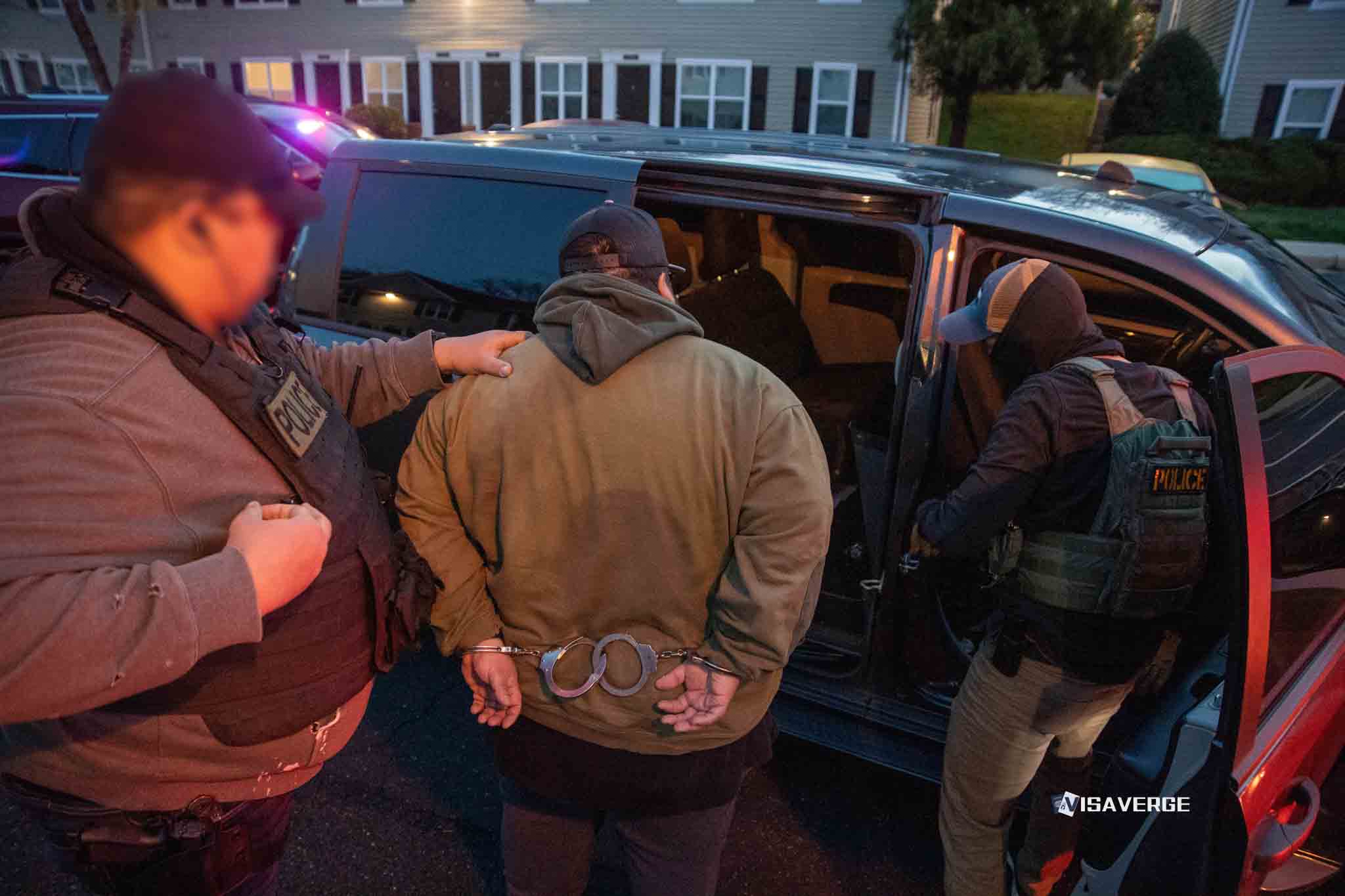
Much of the growth came from people held for immigration violations without criminal records, a shift that expands the pool of detainees who may seek bond depending on individual circumstances and adds volatility to daily intake when arrests occur in communities instead of through jail handoffs.
For ICE arrests only, non-criminal detainees rose 2,500% from 945 on January 26, 2025, to 24,644 on January 7, 2026, while those with criminal convictions increased 80% and those with charges rose 243%.
Between September 21, 2025, and January 7, 2026, ICE detention from agency arrests grew by 11,296, with 902 convicted criminals, 2,273 people with pending charges and 8,121 cited solely for immigration violations.
At the Batavia facility, the changing mix has shown up in day-to-day operations, with non-criminals comprising 80% of detainees and criminal-history detainees falling 50%, pushing the average daily population from 638 to 745 against a 650-bed capacity.
Crowding pressures can drive rapid movement between facilities, and those transfers often reshape how quickly detainees connect with counsel, how families arrange visits, and how immigration court scheduling unfolds as cases move with the person rather than staying tied to one location.
Arrest patterns over the first months of President Trump’s second term also helped explain why the ICE detainee population climbed as quickly as it did, with daily ICE arrests averaging 821 in the first 10 months through mid-2025, up 170% from Former President Biden’s final year.
That period brought a shift toward community sites such as schools and workplaces rather than jail pickups, and the criminal arrest share hit near-historic lows, changing who entered detention and how predictable the intake stream became for local facilities.
Regional activity grew unevenly across the country, with spikes in El Paso, San Diego, Atlanta, Boston, Denver and Washington, D.C., a pattern that can reflect differences in detention contracts, transportation routes and immigration court dockets as much as enforcement intensity.
The percentage changes reflected shifts in activity levels rather than a ranking of absolute totals in each location, but the jumps showed how quickly specific field offices can become flashpoints for capacity when arrests surge faster than the detention system can absorb them.
January 2026 offered a snapshot of how arrests translated into detention bookings, with ICE booking 39,694 people into detention that month, including 36,099 from ICE arrests and 3,595 from CBP intake.
Texas, Louisiana, California, Florida and Georgia accounted for large shares of detained people in January 2026, a concentration that often tracks where detention infrastructure is densest and where transportation corridors make it easier to stage transfers.
Large facilities can become hubs that accelerate transfers and concentrate hearings, and the month’s top facilities by daily average included El Paso Camp East Montana at 2,954, Natchez at 2,191, and Lumpkin at 2,009.
Capacity strain does not stay confined to one building, and the Batavia facility’s shift toward non-criminal detainees illustrates how a local mix can change quickly when enforcement pulls more people from neighborhoods rather than relying on jail pickups.
As facilities run hot, ICE can move people to balance beds across its system, but those moves can separate detainees from local attorneys, disrupt gathering of documents and evidence, and push cases into courts far from family support.
A larger detained population also reshapes legal triage, because detainees with no criminal convictions may be more likely to pursue bond arguments, while people moved repeatedly may struggle to keep stable attorney contact and make scheduled court dates.
Funding has helped broaden ICE contracting options, with the One Big Beautiful Act providing $45 billion for detention and supporting expansion through jails, for-profit prisons and military sites such as Fort Bliss.
The law also aligned with a target of 100,000 capacity for mass deportations, and the period analyzed included 500,000 total removals, including 230,000 interior removals, underscoring how detention capacity and removal throughput can reinforce each other.
ICE has also leaned on Alternatives to Detention as a parallel track, monitoring 179,991 as of February 7, 2026, a scale that typically involves check-ins, electronic monitoring and other reporting requirements for people not held in custody.
Murad Awawdeh, president and CEO of New York Immigration Coalition, criticized the approach as “quota-driven regardless of criminality,” framing the surge in non-criminal detainees as a product of enforcement priorities rather than public-safety screening.
One case cited in connection with oversight concerns involved Omar Ramos Jimenez, a Rochester businessman detained in December 2025 over an app update issue, who remained in custody after U.S. District Judge John Sinatra denied release on February 12, 2026.
Deaths in custody added to scrutiny of medical care and monitoring in a system handling more detainees, with six deaths reported in ICE custody in January 2026 across Texas, Pennsylvania, Georgia and California.
As detention grows and facilities cycle people more quickly, those custody outcomes can intensify calls for transparency about conditions and oversight, even as ICE continues to expand both physical detention capacity and its use of Alternatives to Detention monitoring.
ICE Detainee Population Surges as Non-Criminals Fill Batavia Facility
ICE detention reached a record 73,000 people in February 2026, driven by a massive spike in non-criminal arrests under new enforcement priorities. This growth has led to facility overcrowding, forced transfers, and significant barriers to legal counsel. Supported by billions in federal funding, the agency is expanding toward a 100,000-bed capacity to support large-scale removal operations despite increasing humanitarian and oversight concerns.