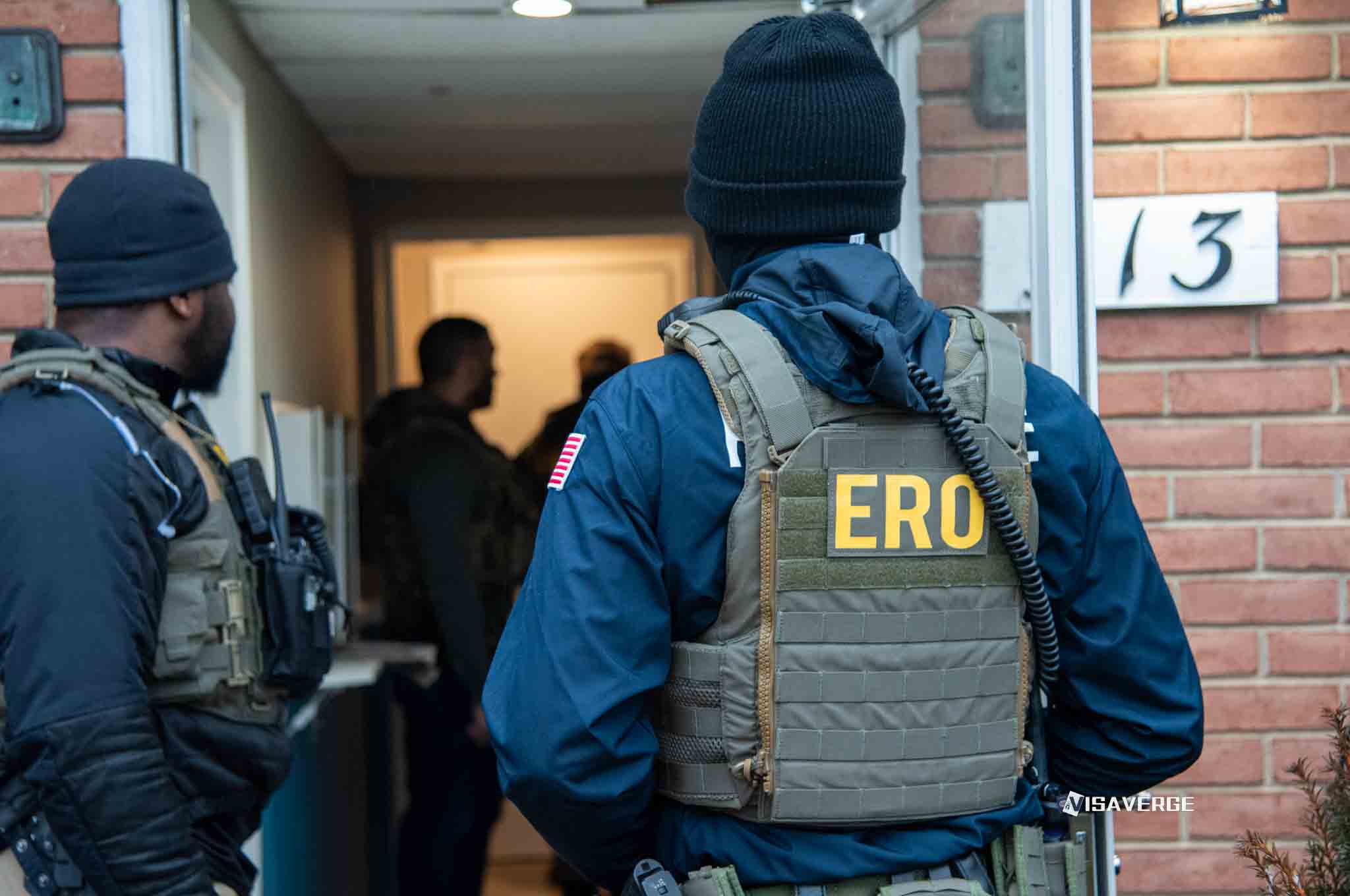
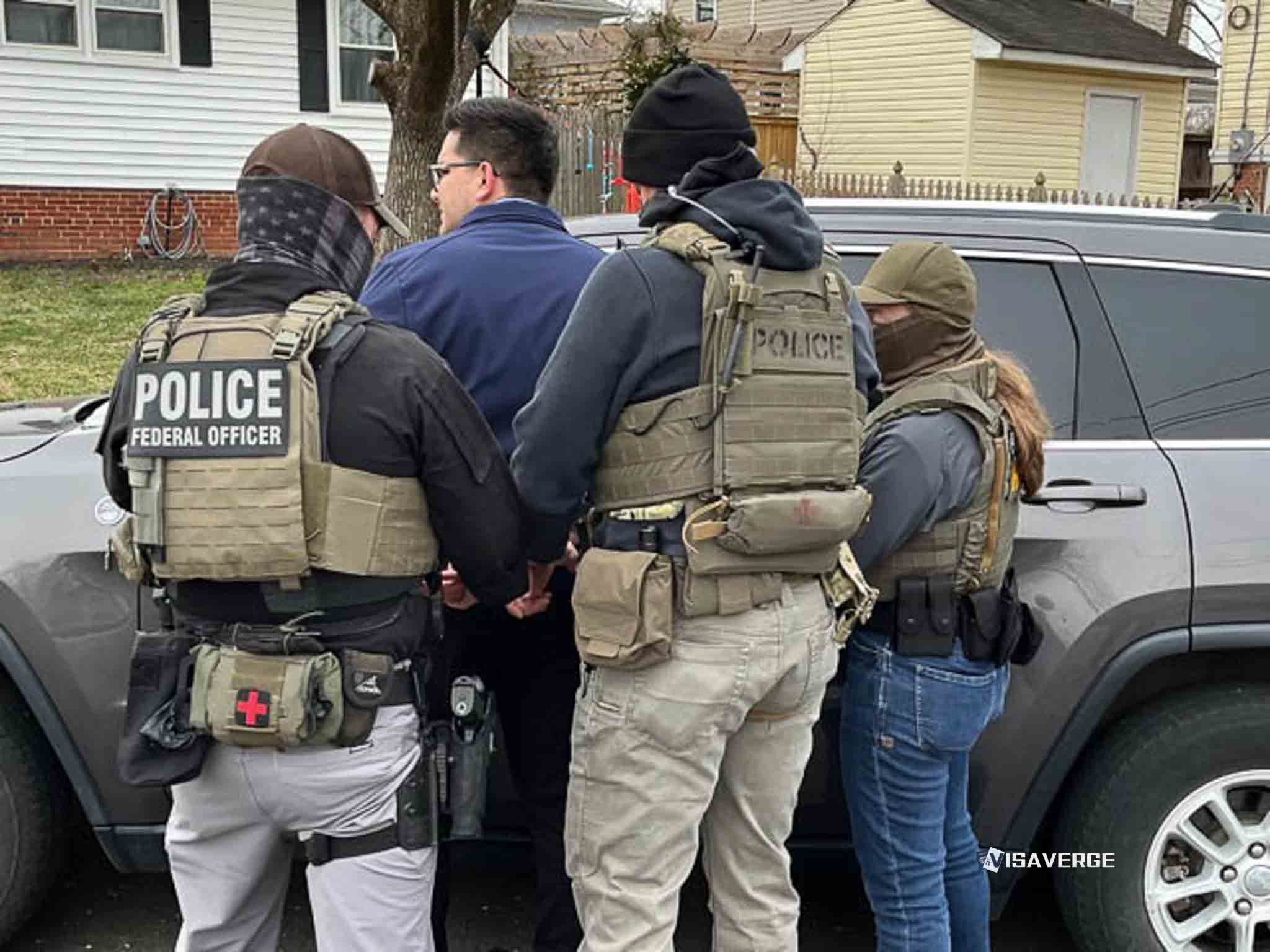
(MINNEAPOLIS, MINNESOTA) Federal immigration officers sought urgent backup during a wintertime traffic stop in Minneapolis in December after they said a crowd swelled around them, with bystanders shouting insults and throwing snowballs, according to MPR News. An ICE agent at the scene told authorities they were being confronted by roughly 60 to 70 people, calling them “agitators,” the report said. Hennepin County Sheriff’s Office deputies were later dispatched to help, MPR reported. The episode adds to a tense month in the Twin Cities, where residents have increasingly shown up during enforcement activity. Officials have not released a public incident report.
What is known about the traffic stop

Details about the stop remain limited because MPR’s account is the only reporting in the available material that describes snowballs being thrown during this specific encounter. The outlet did not identify the people who were stopped or detained, and it did not say whether anyone was arrested from the crowd.
ICE and the sheriff’s office have not, in the reporting summarized here, issued a public statement explaining why agents were at that location or what precipitated the confrontation. Still, the radio report captures a moment of real-time escalation, as the agent requested help while surrounded in cold, on a street.
“Confronted by roughly 60 to 70 people,” the agent described the group as “agitators” in radio traffic, according to MPR.
Context: December 2025 and rising local responses
MPR placed the traffic-stop incident within a broader stretch of December 2025 reporting about heightened ICE activity across the Twin Cities and the ways neighbors respond when they believe immigration arrests are underway.
Related reporting in the month documented other confrontations in which crowds:
– Challenged agents during operations
– Filmed and shouted as officers attempted to leave
– Surrounded federal officers during attempted arrests (including raw video from Chanhassen)
These recurring public scenes have:
– Sharpened anxieties for immigrant families
– Raised questions for local officials about safety and accountability
Local law enforcement role and municipal guidance
Those questions often land on police departments that are not part of federal immigration agencies but must respond when large groups gather.
FOX 9 summarized municipal guidance showing that many local departments in Minnesota:
– Do not assist federal immigration enforcement
– Focus on public safety if demonstrations occur
This stance can leave ICE agents operating largely on their own during street-level encounters, while local officers prioritize:
– Crowd control
– Traffic flow
– Minimizing risk of injuries
The Minneapolis traffic stop described by MPR illustrates how quickly a routine-looking situation can turn into a flashpoint in snow and darkness.
ICE’s enforcement role
ICE has long said its Enforcement and Removal Operations arm is responsible for arresting and removing people who lack legal status or who fall into enforcement priorities, a mission the agency outlines on its own website at ICE Enforcement and Removal Operations.
In practice, that work can include:
– Home visits
– Workplace activity
– Street encounters that start with surveillance or a stop of a vehicle
MPR did not report why ICE agents initiated the December traffic stop in Minneapolis, but the agency’s broader role helps explain why residents may assume a stop could lead to detention within minutes, without warning.
Community impact and reactions
For immigrants who have built lives in Minnesota, the possibility that ICE agents might be involved in a traffic stop can alter everyday decisions:
– Who drives
– Which routes feel safe
– Whether a family member calls for help after a crash
Advocates say rumors travel fast when enforcement seems more active, and fear can spread beyond undocumented people to U.S. citizens in mixed-status families.
The crowd described by MPR—dozens of people in winter clothing, close enough to throw snow—also suggests a community ready to challenge federal authority in public spaces even when stakes are unclear.
Public safety and legal risks
According to the MPR report, the agent’s request for backup went to local authorities, and Hennepin County sheriff’s deputies were sent to the scene.
This dispatch reflects a common practical reality:
– Even where local departments decline to assist with immigration enforcement, they may respond to public safety concerns
– A crowd around armed officers on a roadway can trigger a response focused on safety rather than enforcement assistance
Snowballs might sound minor, but in a tight, loud group they can signal a situation is slipping out of control. MPR’s description of “insults” shouted at agents points to volatility that can develop in seconds.
Analysis by VisaVerge.com noted that confrontations like these can:
– Raise legal risks for bystanders
– Complicate later immigration cases for people caught nearby, even if they are not the target
– Become more consequential when videos circulate online and officers later identify participants from recordings
Limits of reporting and calls for clarity
With no names released for the agent, the deputies, or anyone in the crowd, it is hard to reconstruct the sequence beyond what MPR reported from radio traffic.
Points about missing information:
– The station did not cite a written ICE incident report
– Neither ICE nor the Hennepin County Sheriff’s Office is quoted in the provided material about subsequent actions
– It remains unclear how the agent’s crowd-size estimate was made or who actually threw snow
Community leaders in Minneapolis have urged calm when videos of enforcement circulate, warning that panic can spark dangerous street scenes. Some residents argue public pressure is the only check on detention practices they cannot observe.
The December traffic stop highlights why details matter: without a public record, people fill gaps with rumors.
If dispatch logs or a statement from ICE emerges, it could clarify what happened and whether similar scenes are likely again in Minnesota.
During a December traffic stop in Minneapolis, ICE agents requested backup after an estimated 60–70 people surrounded them, shouting and throwing snowballs. Hennepin County sheriff’s deputies later arrived to address public safety and crowd control. No public incident report or official statements from ICE or the sheriff’s office have clarified why agents were present or whether arrests occurred. The episode underscores community tensions, legal risks for bystanders, and calls for clearer communication and public records.