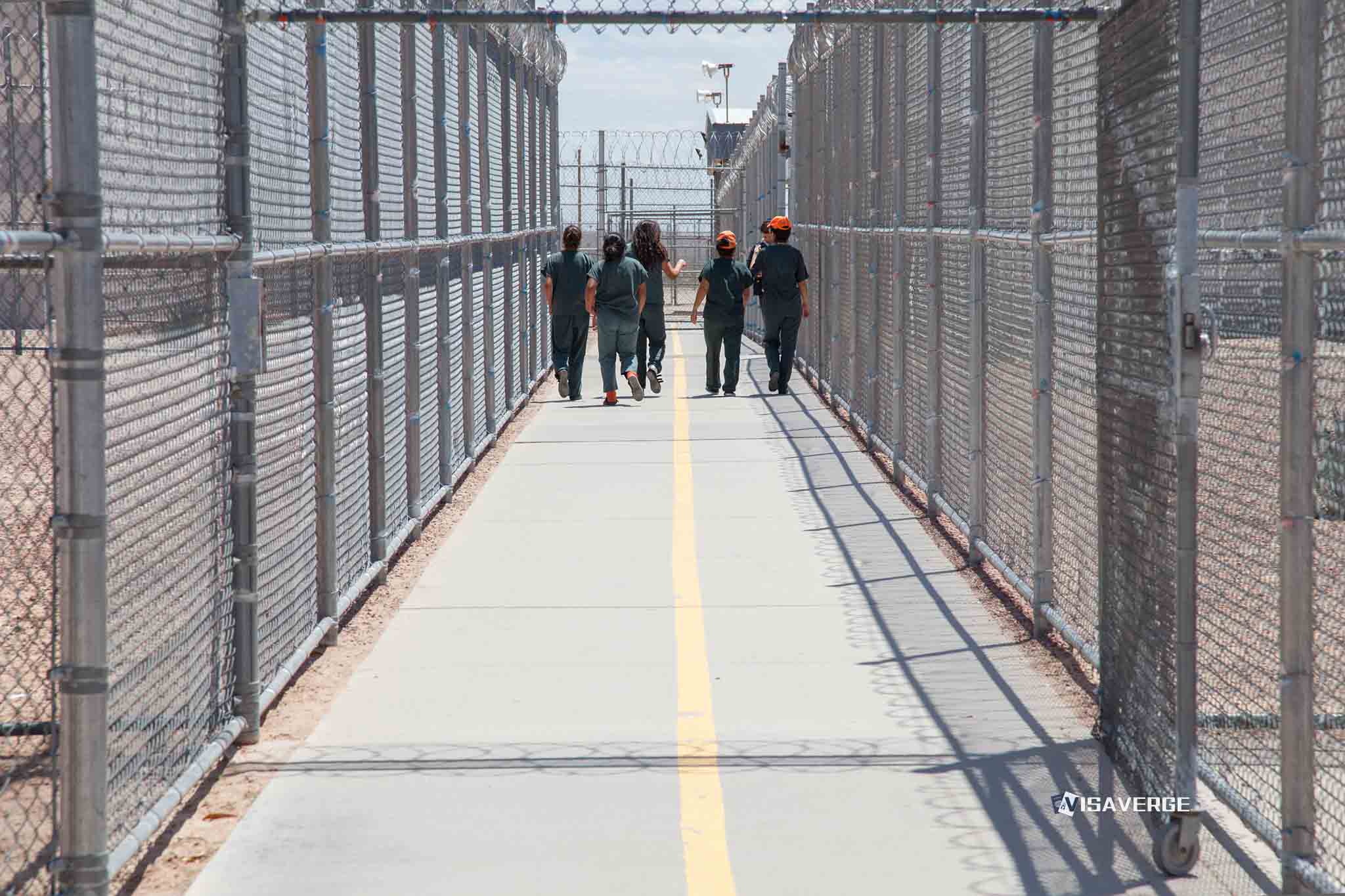
- Representative Jason Crow filed a lawsuit against the administration alleging blocked congressional oversight of detention facilities.
- The Aurora ICE facility faces reports of influenza and gastrointestinal illnesses amid capacity concerns.
- Serious allegations of medical neglect and torture through prolonged solitary confinement have surfaced in recent reports.
(AURORA, COLORADO) — U.S. Representative Jason Crow filed a lawsuit in the week of January 11 against the Trump administration, alleging officials blocked congressional oversight of immigration detention facilities including the Aurora ICE Detention Center, as reports of illness inside the privately run site drew new scrutiny.
Crow’s office also confirmed multiple cases of influenza at the Denver Contract Detention Facility in early January 2026, while U.S. Immigration and Customs Enforcement has not disclosed how many people were affected.

Adams County Health Department received multiple reports of gastrointestinal and respiratory illness at the near-capacity facility, adding to concerns about how quickly sickness can spread in a locked, congregate setting.
The facility in Aurora, Colorado operates as a federal “contract detention” site, meaning ICE detains people there while a private contractor runs day-to-day operations under a government agreement. GEO Group operates the detention center, placing it at the center of recurring disputes over who bears responsibility for conditions and medical care when detainees get sick.
ICE’s decision not to disclose how many people were affected by the early January illnesses has become a focal point for advocates and oversight officials who argue that basic numbers matter for accountability. Without a public count, they say, it is difficult to assess the scale of the risk, the adequacy of testing and isolation, and whether the facility’s health response matched the speed of transmission.
The Adams County reports point to one of the few channels outside the federal system that can receive information about emerging illness inside the facility. Local public health agencies can track complaints and reports, but they do not control detention operations, leaving a gap between what gets reported and what the public can verify.
A history of outbreaks at the Aurora facility has amplified attention on the latest round of illness reports. In February 2020, ICE inspections found 68 people quarantined with flu and 70 with mumps at the same facility.
During 2019, the detention center experienced three separate outbreaks in four months, including mumps and chickenpox. Those repeated episodes have raised recurring questions about how detention facilities handle vaccination status, screening at intake, hygiene, and the speed at which people with symptoms receive evaluation and care.
Public health specialists often treat congregate environments as high-risk for respiratory and gastrointestinal illnesses because close quarters can accelerate spread. In detention, critics say, that dynamic also intersects with security rules and staffing levels that can shape how quickly someone reporting symptoms gets separated from others and evaluated by clinicians.
Medical care has remained a central point of contention at the Aurora detention center beyond outbreaks alone. A 2024 American Civil Liberties Union report documented cases of medical incompetence, dental neglect, and inadequate mental healthcare that contributed to at least two deaths at the facility.
In one documented case cited in the ACLU report, staff abruptly cut a detainee off his medication, relied on incorrect medical protocols, and believed he was faking symptoms—including a seizure—prior to his death. The account has been used by advocates to argue that warnings can be dismissed too quickly and that a delayed or flawed response can turn a manageable medical situation into a fatal one.
The ACLU’s findings have also been cited by critics who say the same types of medical failures that can contribute to deaths can also undermine outbreak management. They argue that infection control relies on effective triage, timely testing, appropriate isolation practices, and follow-up care—steps that can break down if staff misread symptoms, apply incorrect protocols, or fail to respond to worsening conditions.
The illness reports in early January 2026 have therefore landed in a wider debate about standards and oversight in detention healthcare. Advocates argue that outbreaks test whether medical units can respond rapidly, while oversight officials point to the difficulty of evaluating performance when the federal government does not release basic case counts.
Concerns about daily living conditions have extended beyond medical care to the ability of detained people to meet basic needs. Detainees at the Aurora facility need between $80 and $100 each week to contact family members and purchase enough food, indicating severe inadequacy in provided meals and commissary access.
Advocates link those costs to two daily pressures inside detention: staying in contact with family and supplementing what they describe as insufficient meals. In their view, the need for steady outside money can force families on the outside to shoulder a continuing financial burden, while people inside must choose between communication and basic goods.
Commissary purchases typically cover items that can shape daily welfare, including snacks and hygiene products, and can also connect to phone or communication access. Critics argue that when people must rely on commissary to avoid hunger or to keep up family contact, it becomes harder to separate questions of “optional” purchases from the core adequacy of conditions.
Those allegations often become central in local oversight debates and litigation narratives because they translate living conditions into concrete, recurring costs. The weekly sums cited for detainees in Aurora have become part of the broader argument that detention conditions can shift expenses onto detainees and their families, especially when meals are described as inadequate.
Solitary confinement has emerged as another flashpoint tied to both discipline and health. The Denver Contract Facility has been documented placing detainees in solitary confinement for minor infractions, including one person placed in solitary for “eating too slowly” and facing 10 additional placements for similarly groundless reasons.
Critics argue that solitary can carry serious mental-health consequences, particularly when used repeatedly or for minor conduct. They also raise due-process concerns about how decisions are made, how people can contest placements, and whether medical and mental-health staff can monitor deterioration once someone is isolated.
The scale of solitary use in ICE detention has drawn broader scrutiny as well. Over the last five years, ICE has placed people in solitary confinement over 14,000 times, with an average duration of 27 days—exceeding the 15-day threshold that United Nations human rights experts have found constitutes torture.
Advocates and lawyers cite that benchmark to argue that duration is not a technical detail but a core measure of harm, especially for people with mental-health needs. They say that when average stays exceed the 15-day threshold referenced by U.N. experts, it intensifies concerns about long-term psychological effects and the difficulty of obtaining meaningful review.
Supporters of greater restrictions on solitary argue that the practice can also complicate medical assessment. Isolation can reduce informal observation by peers and can delay detection of worsening symptoms, they say, while the stress of confinement can interact with underlying health conditions.
Local elected officials in Aurora have taken steps that reflect the rising pressure around oversight. On January 12, 2026, the Aurora City Council passed a resolution condemning ICE operations, citing the illness outbreak at the GEO ICE detention facility and other ICE overreach cases.
A city resolution typically signals political condemnation but does not itself change federal detention policy or ICE’s authority to operate a facility under contract. Still, the vote placed the city on record in opposition to ICE operations at the detention center and tied that stance directly to the reports of sickness at the Aurora facility.
Crow’s lawsuit, filed in the week of January 11, frames access as a central dispute in how immigration detention gets monitored. By alleging officials blocked congressional oversight of immigration detention facilities, including Aurora, the lawsuit highlights a recurring tension between lawmakers seeking to inspect conditions and an executive branch that controls entry and disclosure.
The confrontation over access has practical stakes because inspections and direct observation can shape what oversight officials learn about medical staffing, isolation practices, and how detainees request care. When outside observers cannot verify conditions or obtain timely information, critics argue, it becomes harder to evaluate whether outbreaks are being contained and whether medical complaints are handled appropriately.
The private contractor role adds another layer to the accountability debate. GEO Group runs the day-to-day operations at the Aurora facility under an ICE contract, while ICE remains the federal agency responsible for detention policy and oversight.
That structure has fueled long-running disputes over who must answer when detainees allege they went hungry, could not obtain timely medical care, or were placed in solitary for minor infractions. The January illness reports and the ACLU’s earlier findings have renewed those questions in a facility that has faced multiple outbreaks over several years.
Attention now centers on how ICE and GEO Group respond to renewed oversight demands, what information authorities release about illness inside the Aurora detention center, and how the lawsuit over congressional access proceeds as scrutiny of conditions and care continues.