(BREWSTER, NEW YORK) — Hudson Valley Patriots for Immigration Reform held a protest demanding that ICE stop warrant-less arrests and illegal operations in Brewster, criticizing enforcement tactics in the Putnam County community in New York’s Hudson Valley.
Event summary and local focus
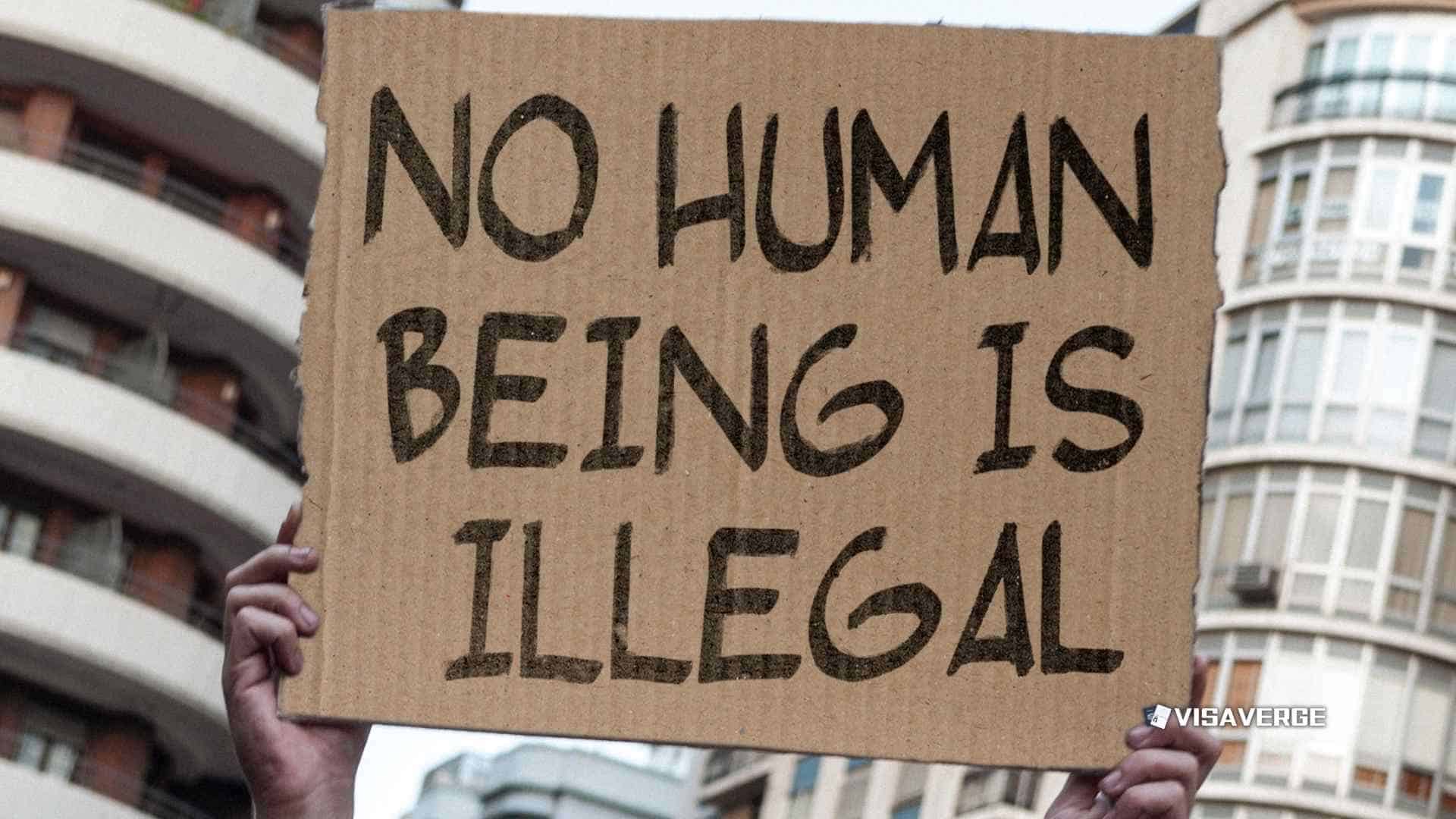
Mid-Hudson News reported the demonstration on Friday, January 2, 2026, describing the group’s action as a protest against what it portrayed as unlawful ICE activity in the Brewster area.
Hudson Valley Patriots for Immigration Reform framed its demand around ICE arrests carried out without warrants and what the group called illegal operations, focusing attention on immigration enforcement practices in the local community.
Brewster sits in Putnam County, part of the Hudson Valley region north of New York City, where immigration enforcement has drawn public protest from multiple groups in recent months in different towns and cities.
Comparison with nearby demonstrations
A separate protest in Newburgh, also in the Hudson Valley, was organized by groups including New York Immigration Coalition and Mid-Hudson Valley Democratic Socialists of America on an unspecified recent Saturday. That demonstration focused on broader support for immigrants.
That Newburgh demonstration did not involve Hudson Valley Patriots for Immigration Reform, underscoring how different coalitions in the region have mobilized around immigration issues under distinct names and with varying messages.
The contrast between the Brewster demonstration and the Newburgh protest highlights how separate organizing networks can operate in nearby communities — sometimes addressing immigration through legal arguments about enforcement practices and sometimes through broader public support for immigrants.
Broader context and national parallels
Beyond the Hudson Valley, resistance protests against ICE have also taken place in other parts of the United States. For example:
- Columbus, Ohio — protests linked to “Operation Buckeye” became a focal point for similar demands that local officials limit cooperation with immigration enforcement activity.
- These calls for constraints on cooperation have encountered legal realities, including constitutional limits such as the supremacy clause, which was cited in connection with the debate over how far local officials can go in restricting interaction with federal enforcement actions.
Message and tactics emphasized by Hudson Valley Patriots for Immigration Reform
The Brewster protest, as described in the Mid-Hudson News account, centered specifically on tactics:
- The group called for an end to warrant-less arrests.
- It criticized what it described as illegal operations by ICE.
By placing warrant requirements at the center of its message, the group directed its criticism at the means and authority under which arrests occur, rather than issuing a broader appeal about immigration policy or immigrant support.
Local significance and pattern of protests
The demonstration positioned Brewster as a local flashpoint for immigration enforcement disputes, even as other communities in the Hudson Valley have seen protests focused on different aspects of immigration and enforcement.
Hudson Valley Patriots for Immigration Reform presented itself as an opponent of what it regarded as unlawful ICE enforcement practices, tying its local demands in Brewster to wider arguments about legality and authority.
The Mid-Hudson News report identified the group and its core demands but did not include additional details about the event beyond its focus on ICE tactics in Brewster and the group’s insistence that warrant-less arrests and illegal operations should stop.
Even without wider public documentation included in the report, the Brewster action fits a visible pattern across the Hudson Valley and elsewhere, where groups have organized protests with messages aimed directly at ICE conduct and the scope of enforcement activity.
Key takeaways
- The Brewster protest emphasized procedural legality — specifically, the requirement for warrants — as the core of its critique.
- Nearby demonstrations, such as in Newburgh, illustrate differing regional approaches: some focus on legal limits to enforcement, while others emphasize broad public support for immigrants.
- National parallels (e.g., Operation Buckeye in Columbus) show similar demands to limit local cooperation with federal immigration enforcement, but such efforts face constitutional and legal constraints like the supremacy clause.
Quick comparison (Brewster vs Newburgh vs Columbus)
| Location | Organizers | Main focus |
|---|---|---|
| Brewster (Putnam County) | Hudson Valley Patriots for Immigration Reform | Stop warrant-less arrests; illegal operations; tactics and legality |
| Newburgh | New York Immigration Coalition; Mid-Hudson Valley DSA | Broader support for immigrants; general immigrant advocacy |
| Columbus, Ohio | Various local activists (Operation Buckeye) | Limit cooperation with ICE; interplay with constitutional limits (e.g., supremacy clause) |
Within Putnam County, the Brewster protest added to a wider regional debate about ICE activity. Hudson Valley Patriots for Immigration Reform used public demonstration to press its demand that the agency change how it conducts arrests and operations in the area.
The Mid-Hudson News report situated the Brewster protest within a region where immigration remains a recurring subject of public organizing and dissent, and where different groups pursue distinct strategies and messages on enforcement, legality, and immigrant support.
Hudson Valley Patriots for Immigration Reform protested in Brewster against warrantless ICE arrests and illegal operations. The event distinguishes itself from broader immigrant support rallies by focusing strictly on the legality of enforcement tactics. While similar movements exist nationally, such as in Ohio, they often encounter legal limitations under the U.S. Constitution, specifically regarding the supremacy of federal authority over local restrictions.