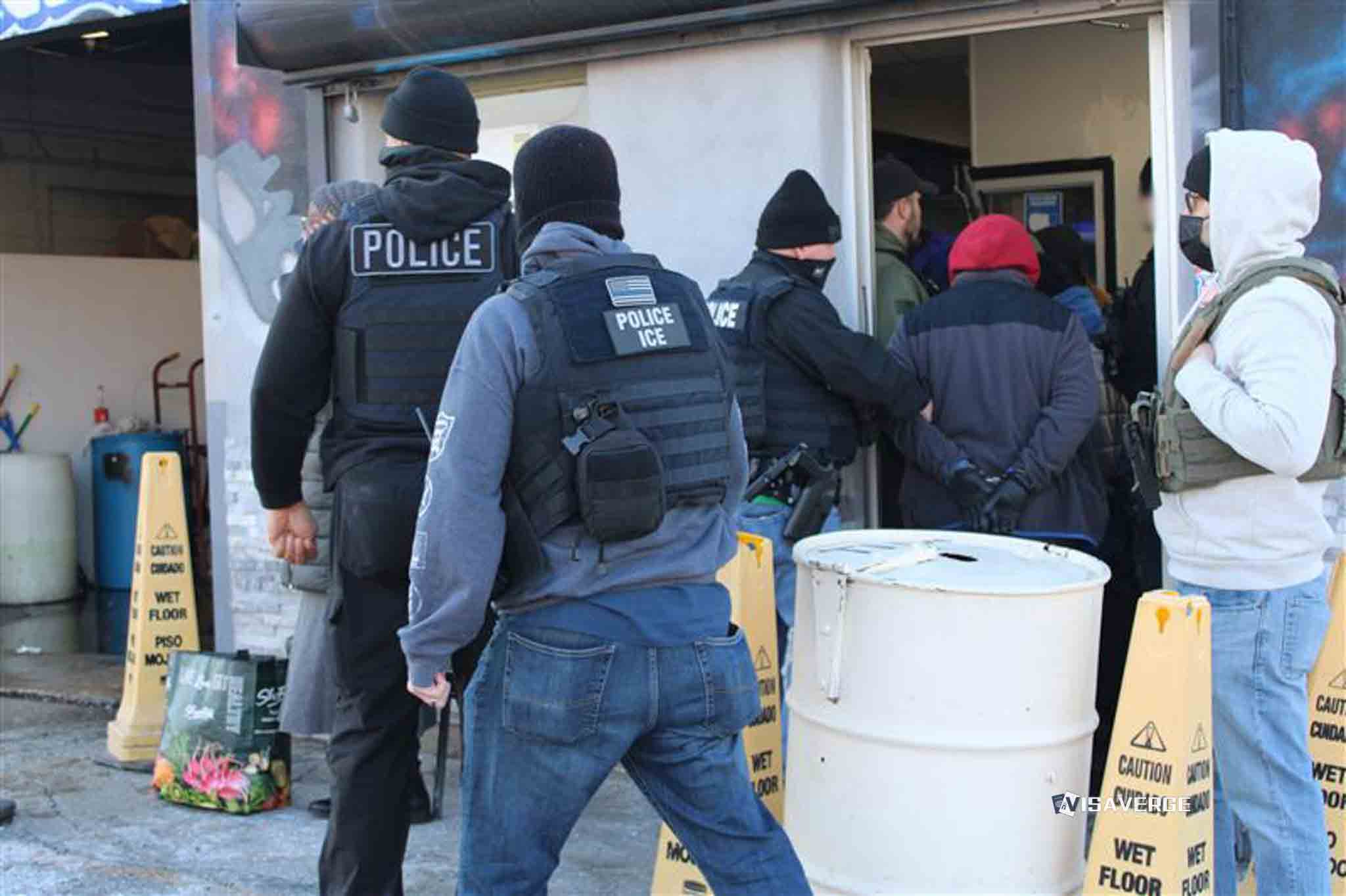
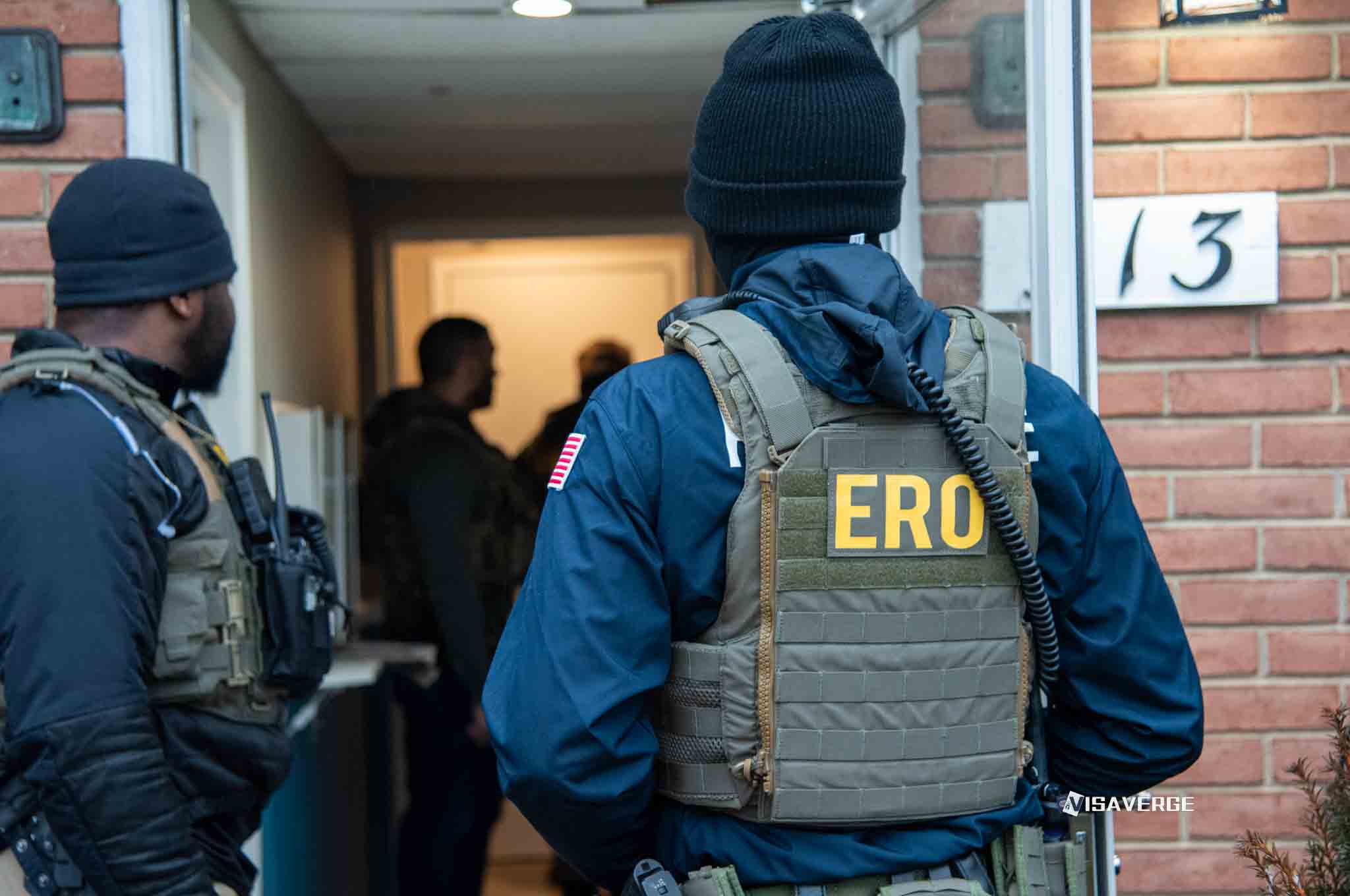
(HAWAII) Immigration attorneys and community advocates in Hawaii are warning that most recent arrests by ICE in the islands are unwarranted, pointing to new figures showing that 67% of people held for immigration violations near Honolulu have no criminal record at all. They say the sharp rise in enforcement in 2025 has pulled in people with deep family and work ties in Hawaii, while doing little to target serious offenders.
Arrest surge and enforcement data
According to attorneys who reviewed detention lists for the federal facility near Honolulu, very few of those currently held for immigration reasons have been charged with violent crimes. Instead, they describe a system that is sweeping up people whose only alleged violation is related to their immigration status. For many families, that has turned routine days into sudden emergencies when a parent, spouse, or worker does not come home.
Key figures:
– Between January and July 2025, ICE arrested 153 people in Hawaii — a 273% increase from the 41 arrests during the same period in 2024.
– 67% of detainees near Honolulu have no criminal record.
These attorneys say that jump cannot be explained by any matching surge in violent crime and argue the pattern looks more like a policy choice than a response to public safety needs. They question whether federal enforcement teams are following their own stated priorities.
Lawyers’ and advocates’ concerns
Immigration advocates in Hawaii argue that many of these arrests lack legal justification and say enforcement practices appear to have “dubious legality.” They describe practices including:
| India | China | ROW | |
|---|---|---|---|
| EB-1 | Apr 01, 2023 ▲31d | Apr 01, 2023 ▲31d | Current |
| EB-2 | Jul 15, 2014 ▲303d | Sep 01, 2021 | Current |
| EB-3 | Nov 15, 2013 | Jun 15, 2021 ▲45d | Jun 01, 2024 ▲244d |
| F-1 | May 01, 2017 ▲174d | May 01, 2017 ▲174d | May 01, 2017 ▲174d |
| F-2A | Feb 01, 2024 | Feb 01, 2024 | Feb 01, 2024 |
- Traffic stops turning into immigration status checks.
- Home visits conducted without clear warrants.
- People questioned about place of birth in situations unrelated to any crime.
Those patterns, they say, raise serious concerns about racial profiling and unfair targeting of immigrant communities, especially people of color and recent arrivals.
“Dubious legality” — advocates’ summary of some recent enforcement practices that raise constitutional and civil-rights concerns.
State Senator Karl Rhoads, who has called legislative hearings on the issue, has publicly described some recent enforcement actions as questionable in legality. His concerns mirror growing unease among state lawmakers hearing from constituents shocked to learn relatives with no criminal history are suddenly in immigration detention.
Human and economic impacts
For many residents of Hawaii — where immigrant labor is central to service, construction, and agricultural work — the shift feels both personal and economic. Families of detainees describe painful choices:
- Stay in Hawaii and fight cases that may drag on for months.
- Accept deportation to countries they left years earlier, potentially facing poverty, extortion, or violence.
Children who are U.S. citizens may be left behind with relatives or enter foster care if a parent is deported. Attorneys emphasize these human costs often do not show up in raw arrest numbers.
Detention conditions and legal resources
The surge in arrests has pushed the federal detention center near Honolulu toward overcrowding, attorneys say. They report that people held on civil immigration matters are now living in conditions that resemble those of convicted felons, even though immigration violations are civil, not criminal, matters under federal law.
Major issues highlighted by attorneys:
– Civil detainees housed alongside criminally sentenced people.
– Overwhelmed legal aid resources and long wait times for counsel.
– No public defender system for immigration court in the U.S., leaving many detainees to represent themselves.
Bettina Mok, executive director of The Legal Clinic in Hawaii, has been blunt: the majority of detainees have no criminal record, which contradicts federal claims that Hawaii enforcement focuses on violent offenders. Her office reports a steep rise in calls from families seeking help to stop fast-moving deportation cases.
Who is detained and legal complexity
The detainee population is diverse, with many people from Central America and others from across Asia and the Pacific. Their cases move through a complex immigration legal system that even experienced attorneys call confusing and unforgiving.
Common obstacles for detainees:
– Missed deadlines.
– Language barriers.
– Difficulty collecting documents from abroad.
– Increased risk of removal orders for those without counsel.
Immigration attorneys stress detainees still have legal rights and may qualify for forms of relief such as asylum or family-based relief, but only if they learn about and present those options in time.
Legislative response and policy debates
The growing concern has sparked a push at the Hawaii Legislature. Advocates are pressing for bills to limit cooperation between local law enforcement and ICE, arguing county and state police should focus on state crimes rather than conducting federal immigration checks. The aim is to rebuild trust so immigrant communities are not afraid to call 911 or report crimes.
One key demand is to block 287(g) agreements, which:
– Allow the federal government to deputize local police officers as immigration agents.
– Enable local officers to check immigration status and initiate deportation processes during routine policing.
Critics say 287(g) programs have opened the door to racial profiling nationwide and worry similar arrangements in Hawaii would deepen fear and family separation.
Supporters of tougher enforcement argue ICE needs broad tools to remove people without legal permission. But Hawaiian attorneys say the local numbers — where two-thirds of detainees have no criminal history — undercut the claim that operations are mainly about violent crime.
Broader context and analysis
According to analysis by VisaVerge.com, Hawaii’s experience mirrors a national trend: enforcement intensity can shift quickly with changes in priorities or local cooperation agreements, even when federal laws remain the same. During such periods, communities may feel rules are applied unevenly or without clear reason, deepening mistrust of federal and local authorities.
Practical guidance and resources
Attorneys in Hawaii urge families to seek reliable information and legal help from trusted nonprofit groups rather than relying on rumors or social media.
- Official federal information on enforcement and detention policies is available on the U.S. government’s ICE website: ICE.
- For detainees at the Honolulu‑area facility, reaching a lawyer quickly is critical — the legal process becomes a race against the clock.
Closing questions driving hearings
As hearings proceed at the state Capitol, key questions remain:
- Should civil immigration enforcement lead to arrests and detention in conditions similar to those for felons?
- Is it appropriate for detention policies to treat people as dangerous when most detainees have no criminal convictions?
For now, the 2025 arrest numbers, the crowded detention center, and the stories of divided families are driving a growing push to change how immigration enforcement operates in the islands.
Hawaii saw a major rise in ICE enforcement in 2025: 153 arrests Jan–July, a 273% increase from 2024. Attorneys say 67% of detainees near Honolulu have no criminal records and describe warrantless home visits, status checks during traffic stops, and overcrowded detention conditions. Advocates and lawmakers are pushing hearings and bills to limit local cooperation with ICE, challenge 287(g) agreements, and expand legal help for detainees to protect families and due process.