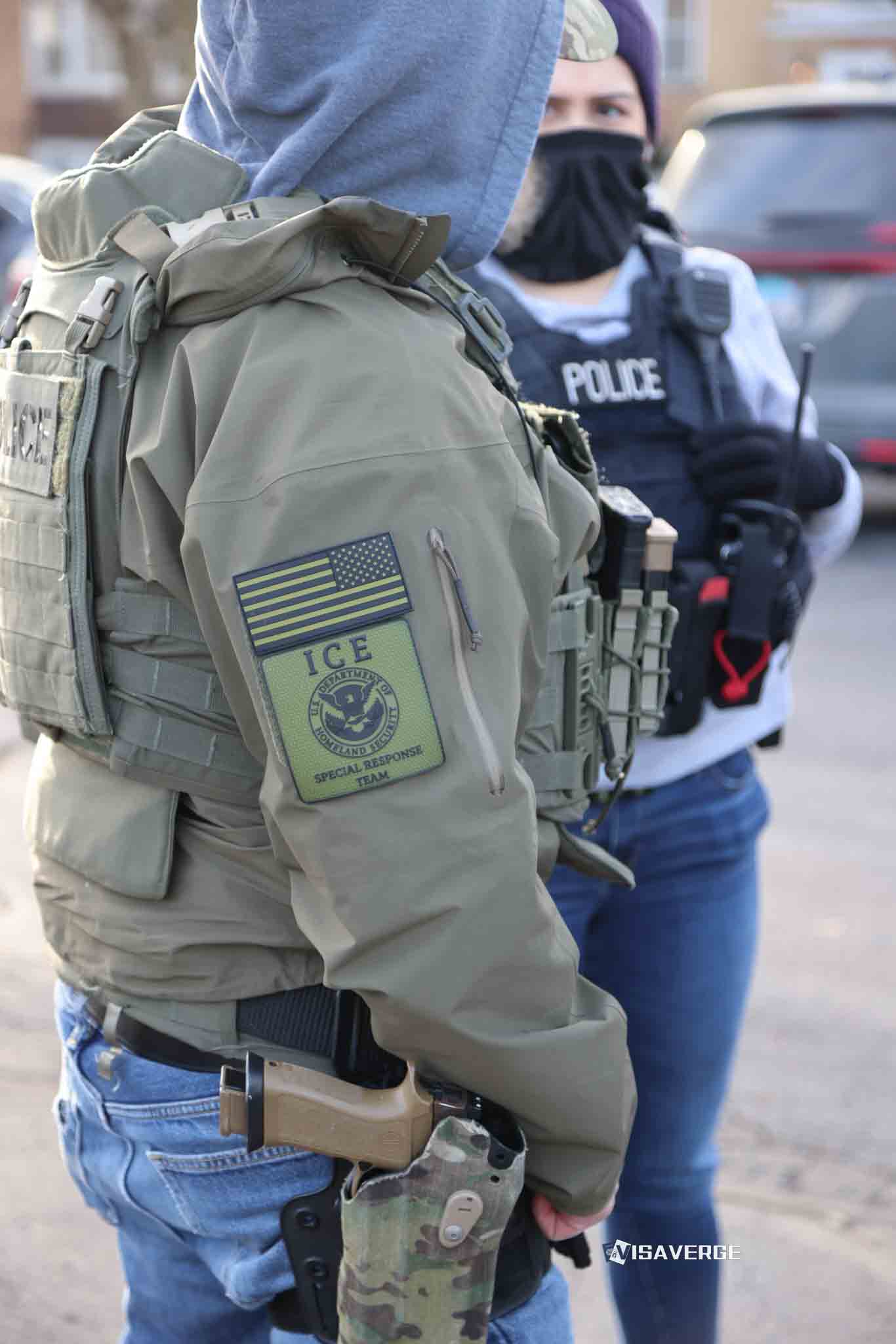
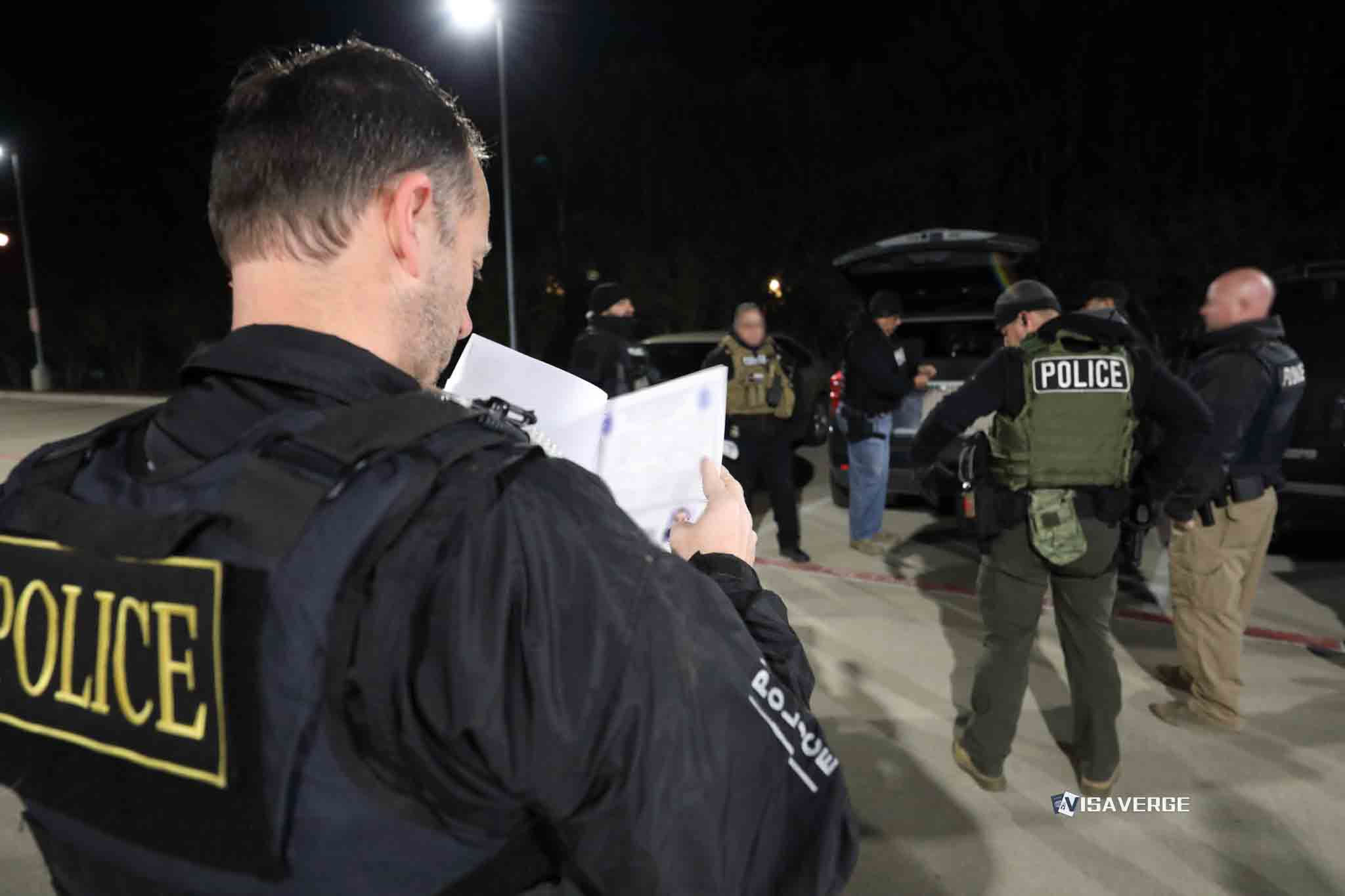
(HAWAIʻI) — ICE arrested 149 people in Hawaiʻi between January and July 2025, more than tripling the number taken into custody in the same period in 2024, as federal immigration enforcement on the islands accelerated alongside a rise in detentions at the Honolulu Federal Detention Center.
DHS and ICE framed the push as a focus on serious offenders, while local advocates and data trackers described a wider net that included people without criminal records.
Federal announcement and stated priorities
On May 12, 2025, DHS announced operations across the islands, including Kona and Honolulu, in a press release titled “ICE Arrests ‘Worst of the Worst’ Criminal Aliens in Hawaii.”
“Our brave ICE agents are conducting operations in Hawaii to protect communities from violent criminals who shouldn’t be in our country. The targets of the operation in Hawaii include criminal illegal aliens charged with kidnapping, assault, distribution of deadly drugs, domestic abuse, and theft,” said Assistant Secretary Tricia McLaughlin.
McLaughlin also pointed to early enforcement statistics at the national level, saying that in the first 100 days of the administration, 75% of ICE arrests were of “criminal illegal aliens.”
“DHS is continuing to go after the worst of the worst,” she said.
Policy changes enabling expanded enforcement
The enforcement ramp-up in Hawaiʻi unfolded alongside policy changes in Washington that broadened where immigration arrests could occur and how aggressively ICE could operate.
- On January 21, 2025, Acting DHS Secretary Benjamine Huffman issued a directive rescinding guidelines that had limited enforcement in “sensitive” areas such as schools, churches, and hospitals.
“Criminals will no longer be able to hide in America’s schools and churches to avoid arrest. The Trump Administration will not tie the hands of our brave law enforcement, and instead trusts them to use common sense,” the statement said.
- DHS also signaled that certain immigration statuses would not shield people from enforcement, including those who say they are protected under Deferred Action for Childhood Arrivals.
In a September 2025 statement, McLaughlin said: “Illegal aliens who claim to be recipients of Deferred Action for Childhood Arrivals (DACA) are not automatically protected from deportation.”
Scale of nationwide detentions
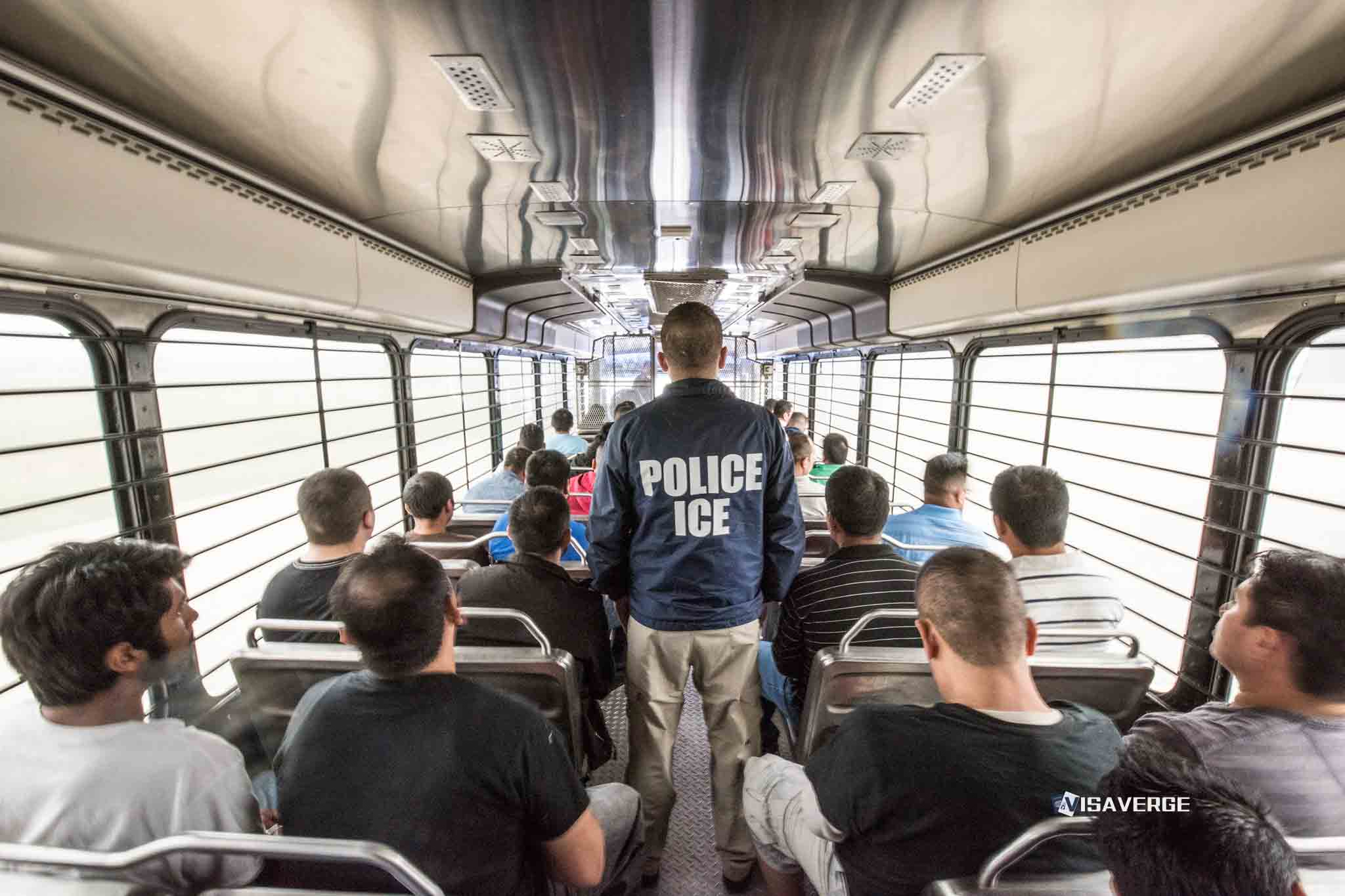
By November 2025, the nationwide ICE detainee population reached an all-time high of 66,000, with approximately 1,000 arrests occurring daily, as detentions expanded across the system.
The enforcement expansion was backed by new federal resources after a funding bill the administration referred to as the “Big Beautiful Bill.” After that legislation passed, ICE received an additional $45 billion, allowing a large expansion of detention beds and the hiring of thousands of new officers.
Local effects in Hawaiʻi
Advocates in Hawaiʻi reported pronounced local impacts as ICE activity increased.
- The Refugee and Immigration Law Clinic reported that 67% of those held at the Honolulu Federal Detention Center had no criminal history, despite DHS and ICE’s “worst of the worst” messaging.
- ICE began transferring detainees from the mainland United States to the Honolulu Federal Detention Center. Detainees came from places including Florida, San Francisco, and Louisiana, and some were moved nearly 5,000 miles.
- Local attorneys described these transfers as “unprecedented.”
- Attorneys noted that transfers often caused detainees to lose access to legal counsel and support systems.
Clinic response and community reports
- The Refugee and Immigration Law Clinic set up a dedicated hotline for detainees: 808-204-5951, and it received over 200 calls in 2025, reflecting growing demand for legal help as ICE activity increased on the islands.
- Reports to the clinic described ICE establishing perimeters around residential neighborhoods and agricultural sites, including Kona coffee farms, to conduct what were described as “community arrests.”
High-profile cases highlighted by DHS/ICE
The arrests in Hawaiʻi included several cases that DHS and ICE highlighted as examples of their enforcement priorities:
- Rescue Suda of the Marshall Islands — arrested Jan 23, 2025, in Honolulu for felony assault and kidnapping.
- Navor Salas-Cruz of Mexico — arrested Feb 25, 2025, with a history of prior removals and state convictions including assault and DUI.
- Herman Faamausili of Samoa — arrested Jan 25, 2025, for drug distribution.
- Miti Takitaki Jr. of Tonga — arrested in Kapahulu for robbery and drug crimes.
State and local responses
State and local officials in Hawaiʻi drew lines around cooperation with federal agents even as ICE operations expanded.
- Hawaiʻi State Attorney General Anne Lopez and the Honolulu Police Department said they would not assist federal agents in these operations.
- Toni Schwartz, a spokesperson for the attorney general, said:
“The state was not involved in Homeland Security Investigation-related immigration enforcement actions.”
How advocates described community impact
Advocates said the combination of several factors reshaped day-to-day risks for immigrant communities in Hawaiʻi:
- Increased arrests and mainland transfers into the Honolulu Federal Detention Center.
- The rollback of “sensitive area” protections that had previously limited enforcement locations.
- A wider net of enforcement that, according to clinic data, included many people with no criminal history.
DHS, for its part, continued to cast the operations as a safety-driven effort that relied on officers’ judgment once the limits on “sensitive” locations were lifted.
“The Trump Administration will not tie the hands of our brave law enforcement, and instead trusts them to use common sense,” the January 21, 2025 statement said.
Immigration enforcement in Hawaiʻi escalated significantly in 2025, with arrests tripling and detention populations reaching record highs. Despite federal claims of targeting violent criminals, data reveals a high percentage of detainees lack criminal records. New policies have expanded enforcement into previously protected areas, while significant federal funding has enabled a larger detention network and controversial mainland transfers to the islands, sparking local legal challenges.