(CAMBRIDGE, MASSACHUSETTS) A visiting professor at Harvard University has agreed to leave the United States after being arrested by immigration agents over an expired visa, in a case that has unsettled international scholars on campus and renewed focus on how tightly timed immigration rules shape academic careers.
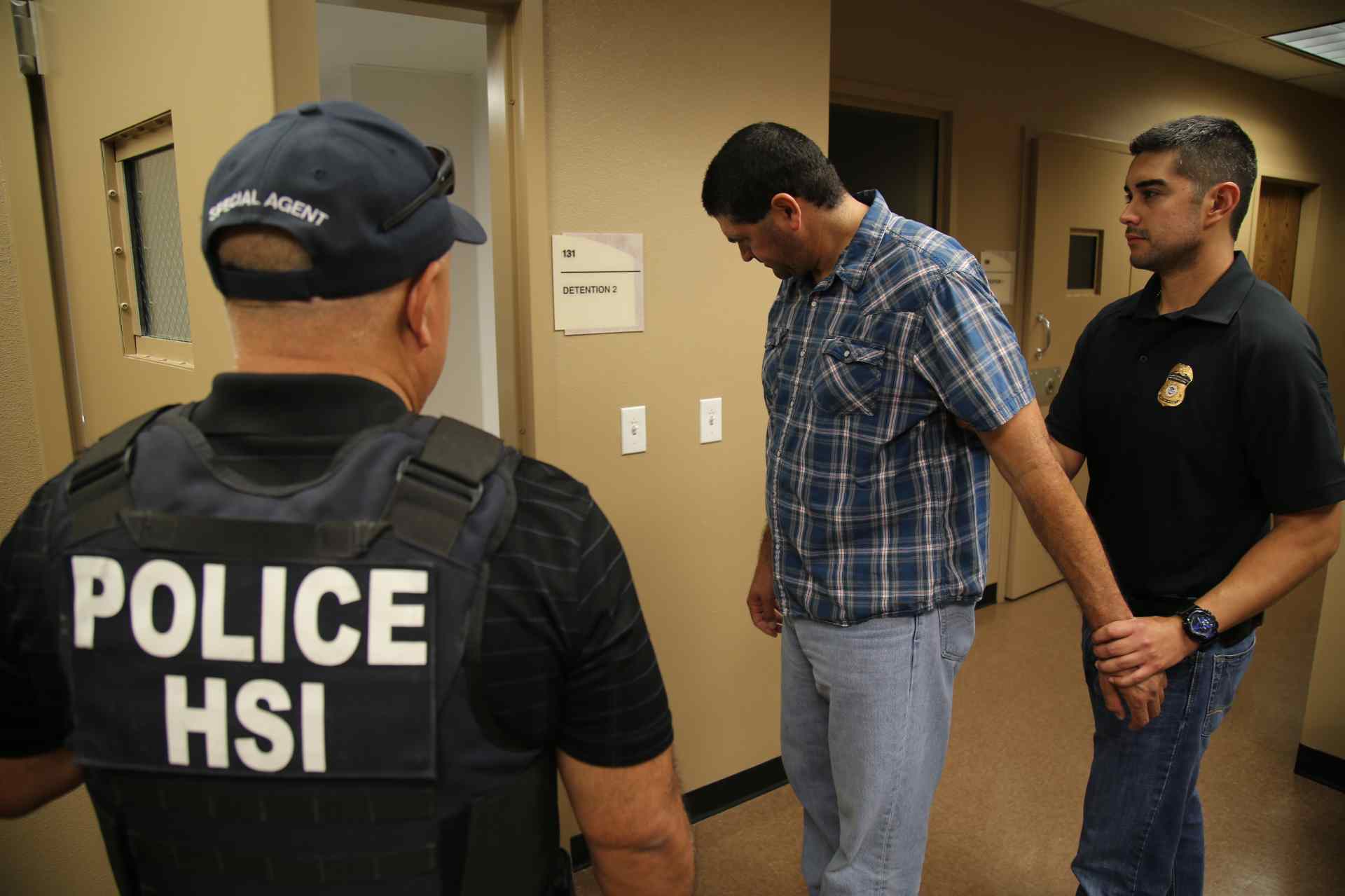
Professor Anil Kumar, a visiting scholar whose field and home country were not disclosed, was detained on December 5, 2025 by officers from U.S. Immigration and Customs Enforcement, better known as ICE, in Cambridge. Officials said his arrest followed an overstay of his approved visa and repeated warnings that his legal status had lapsed and needed to be renewed.
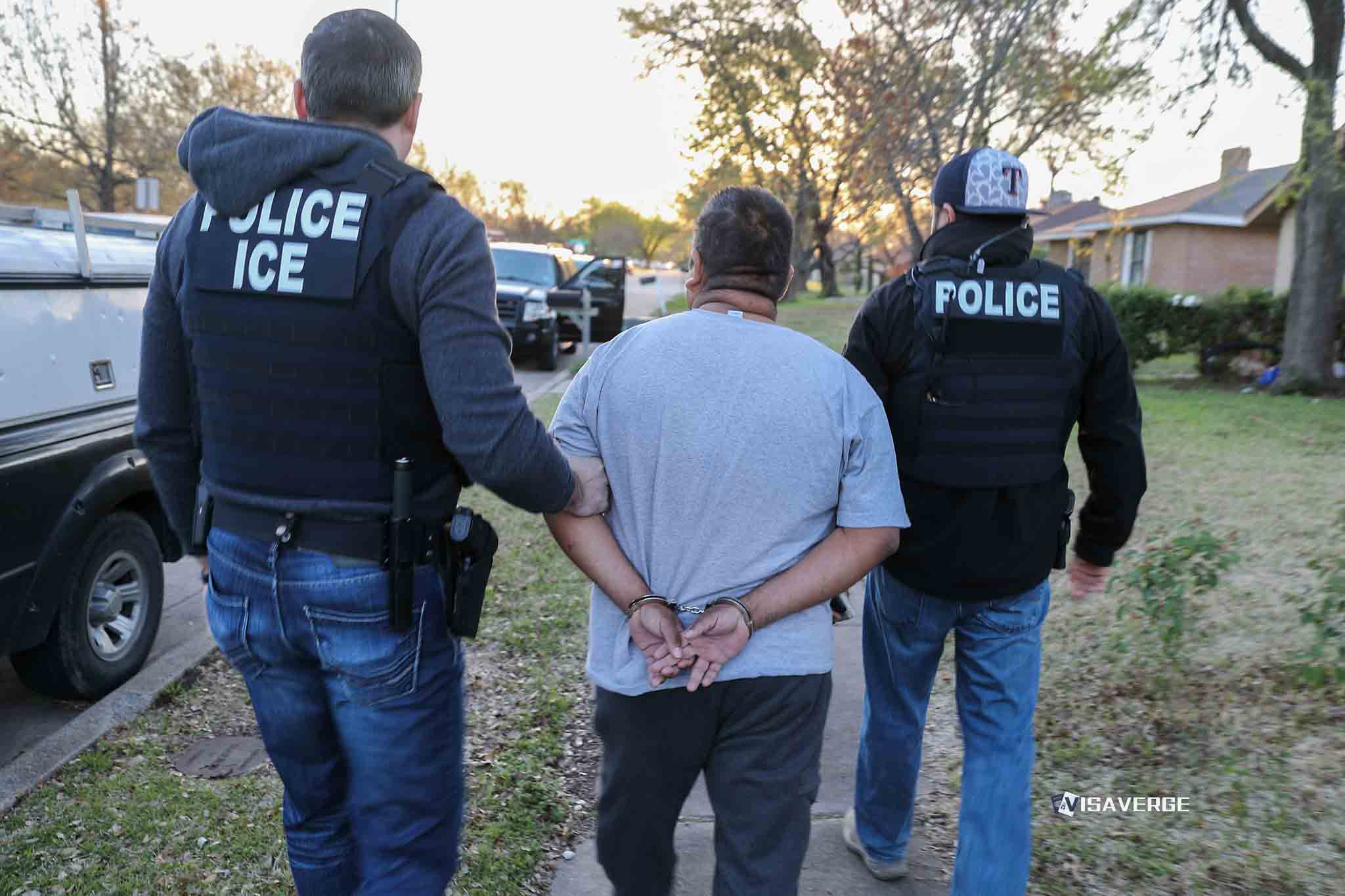
Instead of fighting the case in immigration court, Kumar chose to depart the country voluntarily, a decision that can carry fewer long‑term penalties than a formal removal order. ICE Acting Director Jennifer Smith said in a statement that Kumar had worked with officers after his arrest.
“Professor Kumar cooperated fully and has agreed to depart the country voluntarily, which allows for a more orderly resolution of his immigration status,” Smith said.
His departure has been scheduled for December 10, 2025, giving him just a few days to close his affairs in the United States, say goodbye to colleagues, and leave the Harvard campus where he had been teaching and conducting research. ICE confirmed that no criminal charges were filed, stressing that the case was based only on civil immigration violations linked to his expired visa.
Harvard’s response and internal review
Harvard University, which hosts thousands of foreign students and scholars each year, responded with rare public regret over the loss of an international academic. In a written statement, Harvard’s Dean of Faculty, Dr. Elizabeth Reynolds, said The university was “saddened by Professor Kumar’s departure” and promised to review how it supports visitors who must keep up with strict visa requirements.
“We are saddened by Professor Kumar’s departure and are reviewing our internal processes to better assist visiting academics with visa compliance,” Reynolds said.
The university’s statement highlights a recognition that, beyond individual responsibility, institutional systems play a role in helping visiting scholars track and meet visa deadlines.
How a visa overstay becomes an enforcement case
The case has drawn attention inside Harvard’s international community, where visiting scholars often juggle heavy research and teaching schedules alongside complex immigration paperwork.
While details of the specific visa category were not released, visiting professors are commonly in the United States on temporary nonimmigrant visas that require timely extensions and careful tracking of expiration dates. If that status lapses and is not fixed quickly, foreign nationals can become subject to arrest and removal.
Immigration lawyers say the choice to accept voluntary departure instead of waiting for a full removal order from an immigration judge can affect future ability to return to the United States. Key points about voluntary departure:
- It is a formal decision within the immigration system in which a person agrees to leave at their own expense by a set date rather than be deported.
- It can sometimes reduce future bans on re‑entry, depending on the length of the overstay and other case facts.
- For agencies like ICE, voluntary departure can reduce the need for long detention or extended court hearings.
Smith’s comment that the agreement “allows for a more orderly resolution” reflects how ICE often frames such deals. For someone like Kumar, voluntary departure can limit damage to his immigration record, even though it still means a sudden break from work, students and ongoing projects at Harvard University.
Institutional support and common challenges
The incident also underscores how universities depend on internal systems to keep visiting staff informed of looming deadlines. Harvard’s promise to review “internal processes” suggests possible improvements in:
- Reminders and automated alerts about visa deadlines
- Centralized guidance from the international office
- Department-level follow‑up for visiting faculty
Many campuses run international offices that help with forms and deadlines, but support can vary by department and by how closely administrators track each case.
For international academics, the fear of a late extension or a missed email is constant. Even short lapses can trigger long‑term problems. When an arrest happens in a high‑profile setting like Harvard, faculty and students from abroad often worry that a paperwork mistake could end their time in the United States with little warning.
While there is no sign that Kumar’s case involved error by immigration officials, the speed from arrest on December 5 to scheduled flight on December 10 shows how fast a scholar’s life can change.
Broader patterns and resources
Websites that focus on immigration stories for students and researchers, such as VisaVerge.com, often describe similar cases in which a missed deadline leads to sudden status loss. Those reports show a pattern:
- Busy visiting academics, often new to the U.S. system, struggle to keep track of shifting rules and renewal dates.
- Competing demands — teaching, publishing, conferences — make immigration paperwork easy to deprioritize.
- Sudden status loss can interrupt research projects, grant timelines and student supervision.
More background on how ICE handles such civil cases is available on the agency’s own website, U.S. Immigration and Customs Enforcement, which outlines enforcement policies and basic information about arrested noncitizens.
Career and academic consequences
The stakes are high because a visa overstay can affect both a person’s future in the United States and their career at home. For a visiting professor, being forced to leave a top campus like Harvard ahead of schedule can:
- Affect grants and funding tied to U.S. institutional affiliation
- Impact promotion chances or tenure timelines
- Disrupt international projects that depend on U.S. access
- Require colleagues to cover classes or research tasks
- Stall joint work with students, or force it to continue from abroad
Harvard did not say whether it would try to bring Kumar back in the future or if the university planned to support any new visa applications. With no criminal charges and a case based only on status violations, his long‑term options will likely hinge on the exact length of his overstay and on how immigration officers record his voluntary departure.
Timeline (key dates)
| Event | Date |
|---|---|
| Arrest by ICE | December 5, 2025 |
| Scheduled departure (voluntary) | December 10, 2025 |
Between those dates, lawyers, Harvard administrators and the professor himself had only a brief window to sort out housing, employment, travel plans and the sudden return to life abroad.
Takeaway
As students finish the semester and faculty prepare for winter break, the story of a visiting professor removed from campus because of an expired visa is a pointed reminder of how closely immigration rules are tied to academic life.
For international scholars considering offers from U.S. universities, this case underscores that research agendas and teaching schedules must always share space with strict, time‑bound visa rules enforced by ICE.
Harvard visiting professor Anil Kumar was arrested by ICE on December 5, 2025, for an expired visa and agreed to voluntary departure on December 10. ICE confirmed no criminal charges and called the case a civil status violation. Harvard expressed regret, pledged an internal review of visa-support processes, and noted the need for better reminders and centralized guidance to help visiting scholars manage strict, time-bound visa requirements that affect research and teaching continuity.