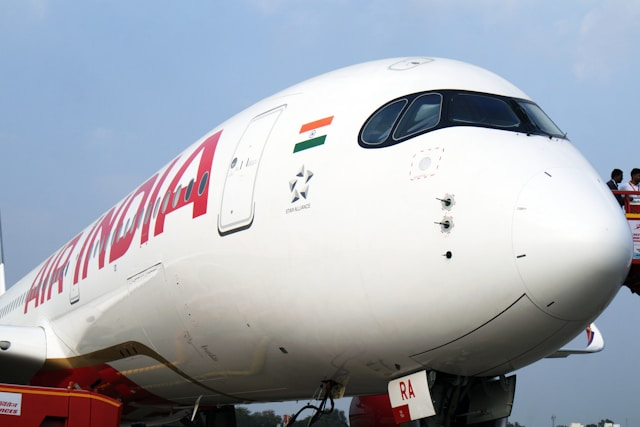
- Irish authorities deported 63 South African nationals on a charter flight from Dublin to Johannesburg.
- The group included 54 adults and nine children from family units transported under Garda supervision.
- Officials confirmed ten individuals had prior criminal convictions ranging from drugs to serious sexual offenses.
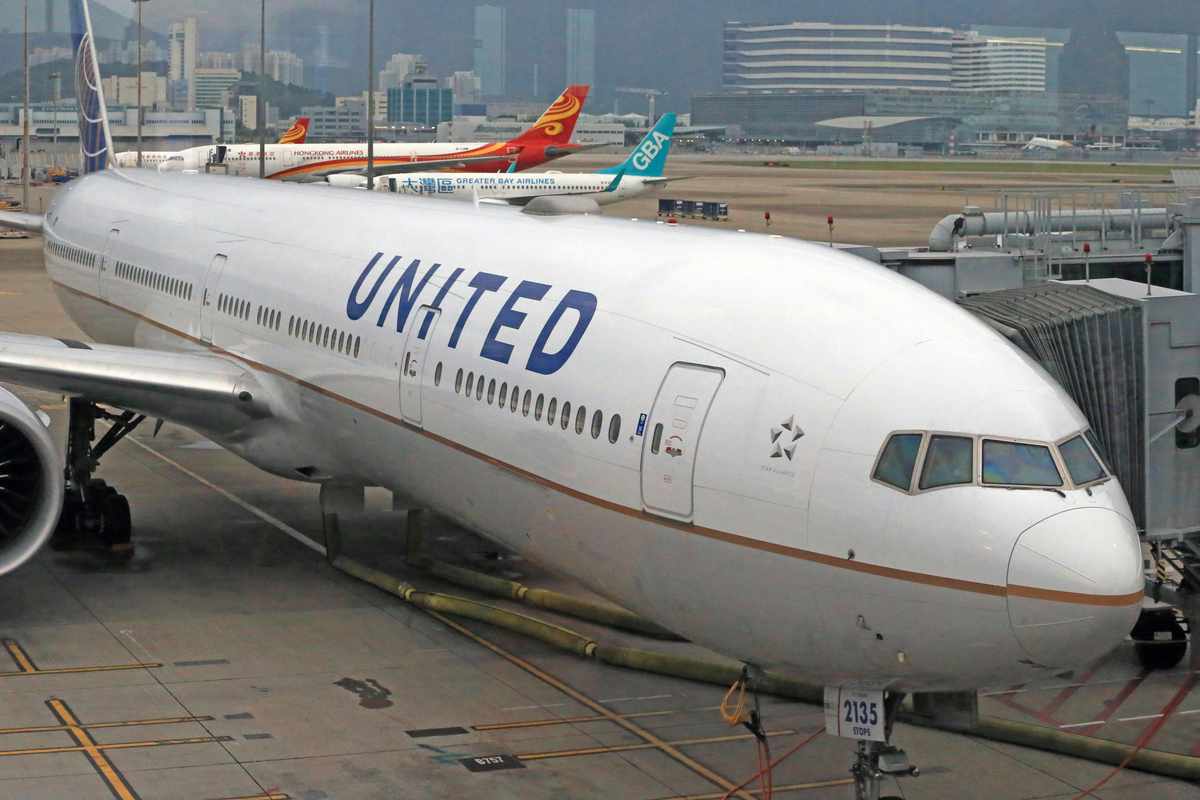
(DUBLIN, IRELAND) — Irish authorities deported 63 South African nationals, including nine children, on a charter flight from Dublin to Johannesburg, officials said.
The plane departed Dublin Airport at 17:05 on Saturday, February 28, 2026, and landed in Johannesburg shortly after 4:00 on Sunday, March 1, 2026 (Irish time), according to the officials.
The group removed comprised 28 adult men, 26 adult women, and nine children from family units, the officials said.
The Garda National Immigration Bureau executed the operation under deportation orders issued by Minister for Justice, Home Affairs and Migration Jim O’Callaghan, with An Garda Síochána members on board.
Authorities also assigned medical staff, an interpreter, and a human rights observer to the charter, officials said. Those roles form part of the oversight and support used during removals, particularly when families and children travel.
Officials said 10 individuals on the flight had prior convictions in Ireland. They cited convictions including for drugs, road traffic offenses, sex offenses, domestic violence, rape, sexual assault, and possession of child sexual abuse material.
Minister Jim O’Callaghan framed the charter as part of a broader enforcement approach. He described charter flights as “now a routine and essential part of immigration enforcement.”
“If a person does not have a legal permission to be in the state, or has been involved in criminality, they will be removed,” O’Callaghan said.
He said effective enforcement maintains public confidence in immigration laws, linking the removals to a wider message about the state’s willingness to act on deportation orders.
Minister of State Colm Brophy struck a different emphasis, while backing the operation. Brophy said most South African nationals in Ireland reside legally and contribute to the economy.
Brophy also thanked Garda and department officials involved in the charter flight, according to the officials’ account of his remarks.
The deportations brought renewed focus to individual cases that have attracted public attention in Ireland, including families whose circumstances became rallying points for campaigners.
One case involved the Oyekanmi family, identified as Titilayo Oluwakemi Oyekanmi and her three sons. Officials linked the family to protests last month, when about 300 people sought to have their deportation order revoked.
A separate case involved a Cork-based family that officials said had fled gang attacks on their Johannesburg farm. The family was deported after requesting family unity in return, officials said.
Upon repatriation, that family expressed fear, according to the officials’ account. They also said their farm had been stripped.
The presence of children on the flight added to the sensitivity around the operation. Officials said the nine children were part of family units, a description that underscored that the removal included parents traveling with minors.
Irish authorities have increasingly used charter flights as a tool to carry out removals, presenting them as a controlled method for returning people who no longer have permission to remain.
Officials described the Dublin-to-Johannesburg flight as Ireland’s second charter operation in 2026.
The earlier charter took place on January 25, when Ireland removed 17 Polish and 16 Lithuanian citizens for criminality under Directive 2004/38/EC, officials said.
The government has portrayed charter operations as one element within a wider system that includes enforced removals and voluntary returns, with voluntary returns described by officials as the preferred method.
In recent months, ministers and departments have pointed to higher levels of immigration enforcement activity during 2025, with more deportation orders signed and more confirmed departures than the year before, according to officials.
Authorities have also said further charter operations are planned in 2026.
O’Callaghan’s comments sought to connect enforcement with public trust, while signalling that the government intends to keep using removals in cases involving people without legal permission to remain and those linked to criminality, as characterised by officials.
For families facing deportation, the enforcement message can land differently, particularly where campaigners argue that people have built lives in Ireland or fear harm on return.
The protest linked to the Oyekanmi family highlighted that tension. Campaigners who turned out last month pressed the government to reverse the deportation order, officials said.
The Cork-based family’s account of fear upon arrival in South Africa added another strand to the debate, focusing attention on safety concerns and the conditions some deportees say they will face after return.
Officials did not release further personal details about the people removed beyond the group breakdown and the named family cases referenced in public discussion.
The charter also demonstrated the operational planning required for such removals. Officials said An Garda Síochána members accompanied the group, with support that included medical staff and an interpreter.
A human rights observer also travelled on the flight, officials said, reflecting monitoring arrangements that can be used during removals, particularly when families and children are involved.
Officials did not provide additional operational details about staffing levels, restraint methods, or medical interventions during the flight.
While O’Callaghan described charter flights as “routine and essential,” the scale of the Dublin-to-Johannesburg operation ensured it drew attention, both for the number of South African nationals removed and for the inclusion of children.
The government’s messaging also sought to separate deportation enforcement from the broader South African community in Ireland. Brophy said most South African nationals live in Ireland legally and contribute to the economy, officials said.
That reassurance aimed to reduce the risk of a wider stigma attaching to South Africans living in Ireland, even as the state carried out a high-profile charter flight.
The officials’ description of prior convictions among a subset of the deportees also signalled an effort to justify removals in public terms. Authorities cited a range of offences, without identifying individuals.
O’Callaghan’s quote made clear the government’s intended dividing line. “If a person does not have a legal permission to be in the state, or has been involved in criminality, they will be removed,” he said.
The deportation flight capped a weekend operation that began with the 17:05 departure from Dublin Airport on Saturday, February 28, 2026, officials said.
By the time the plane reached Johannesburg shortly after 4:00 on Sunday, March 1, 2026 (Irish time), the removal of 63 South African nationals had become the latest test of how Ireland balances enforcement with public scrutiny.
Further charter operations planned for 2026 mean that the political arguments seen around the Oyekanmi family protests, and the fears voiced by the Cork-based family, are likely to continue as Ireland presses ahead with removals, officials said.