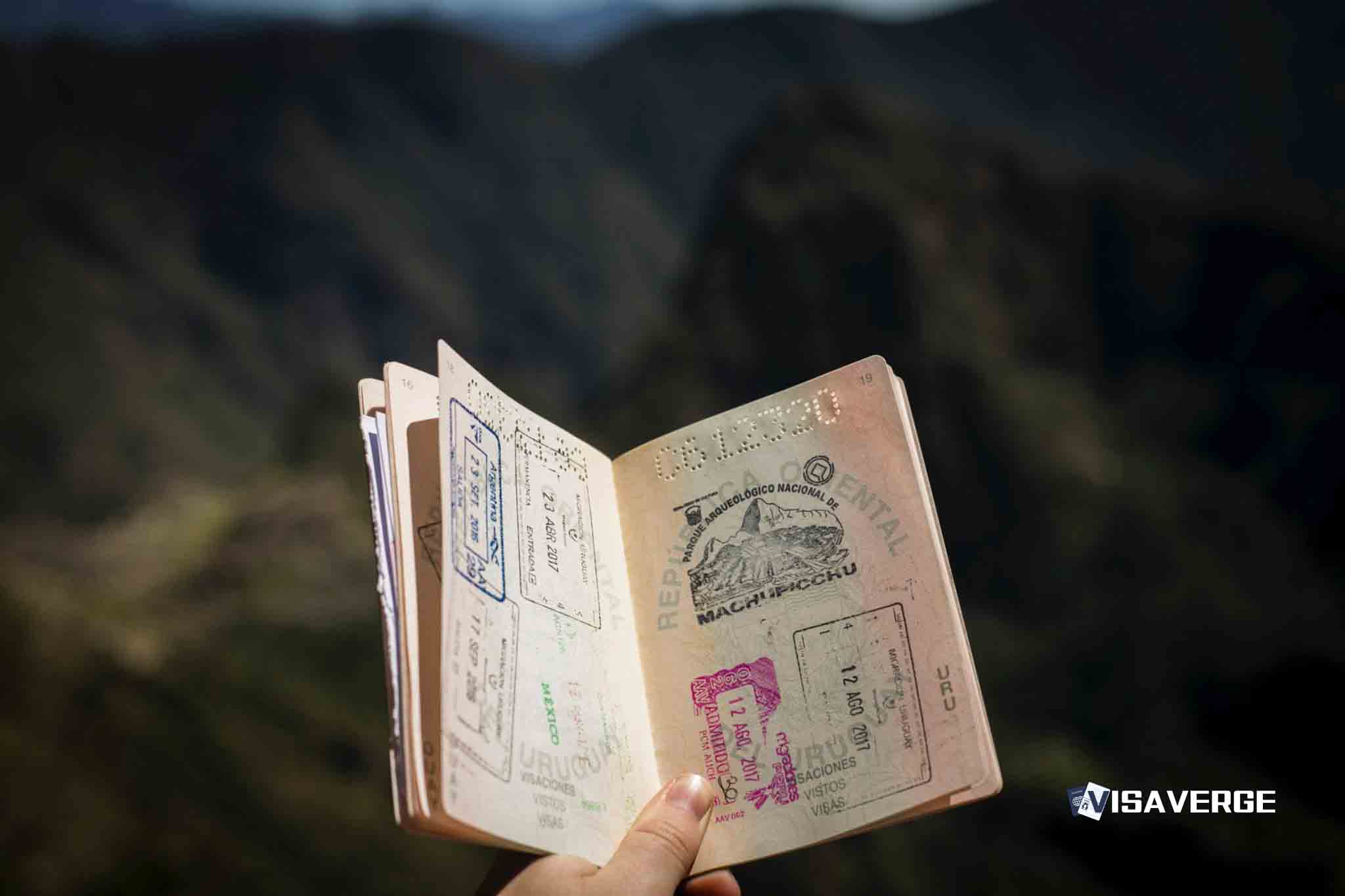
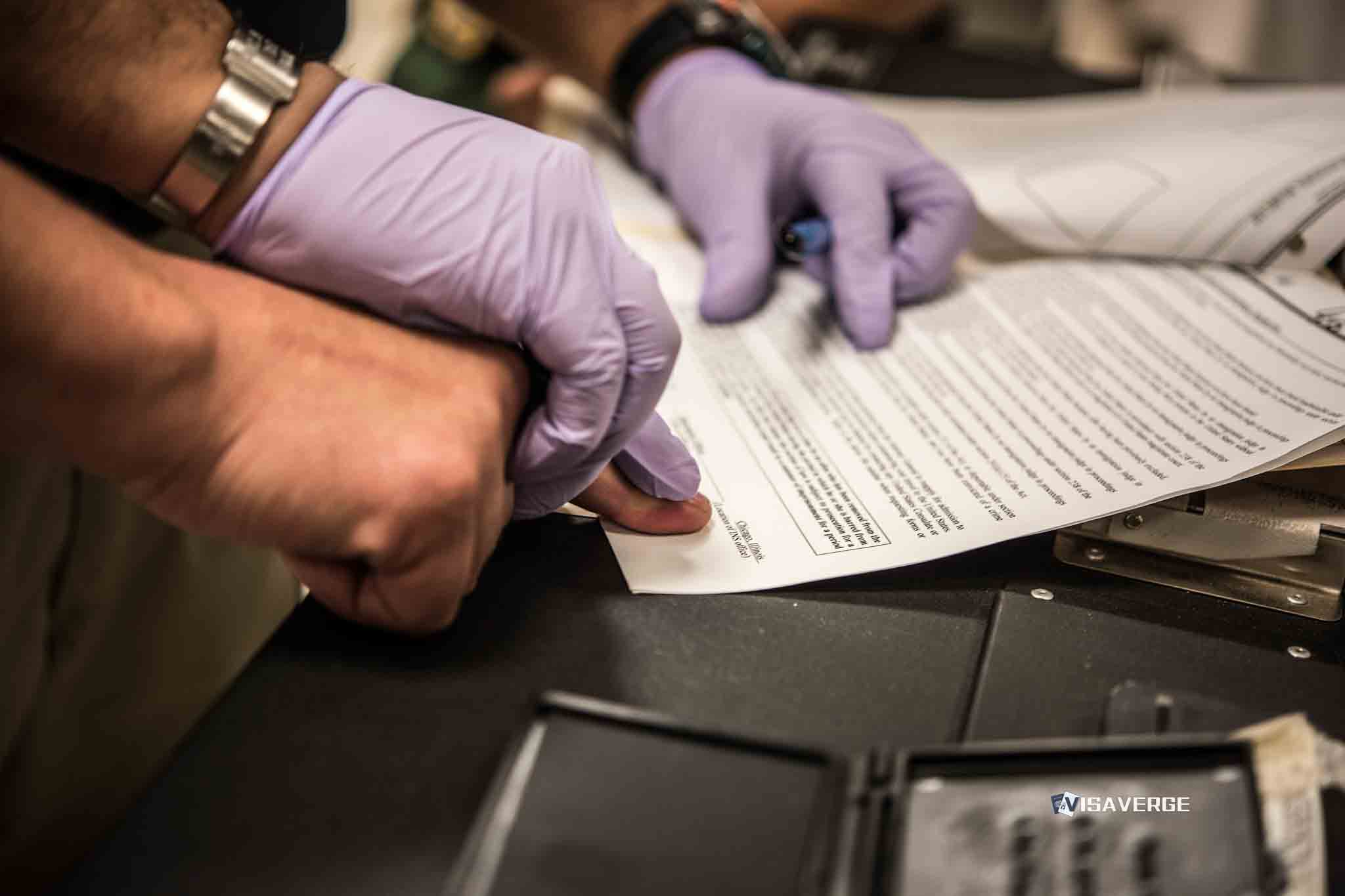
- France activated the Entry/Exit System (EES) on April 10, 2026, across all external borders.
- The system replaces passport stamps with biometric digital recordings for non-EU short-stay travelers.
- Officials are preparing for ETIAS travel authorization, scheduled to launch in late 2026 for visa-exempt visitors.
(FRANCE) — France activated the European Union’s Entry/Exit System on April 10, 2026, shifting from pilot operations to full mandatory use at its external borders and replacing passport stamps with digital biometric checks for non-EU travelers.
The move places France fully inside the bloc-wide border control system that records entries and exits through four fingerprints and a facial photograph. French authorities now use the system for arrivals and departures by non-EU and non-Schengen nationals traveling for short stays.
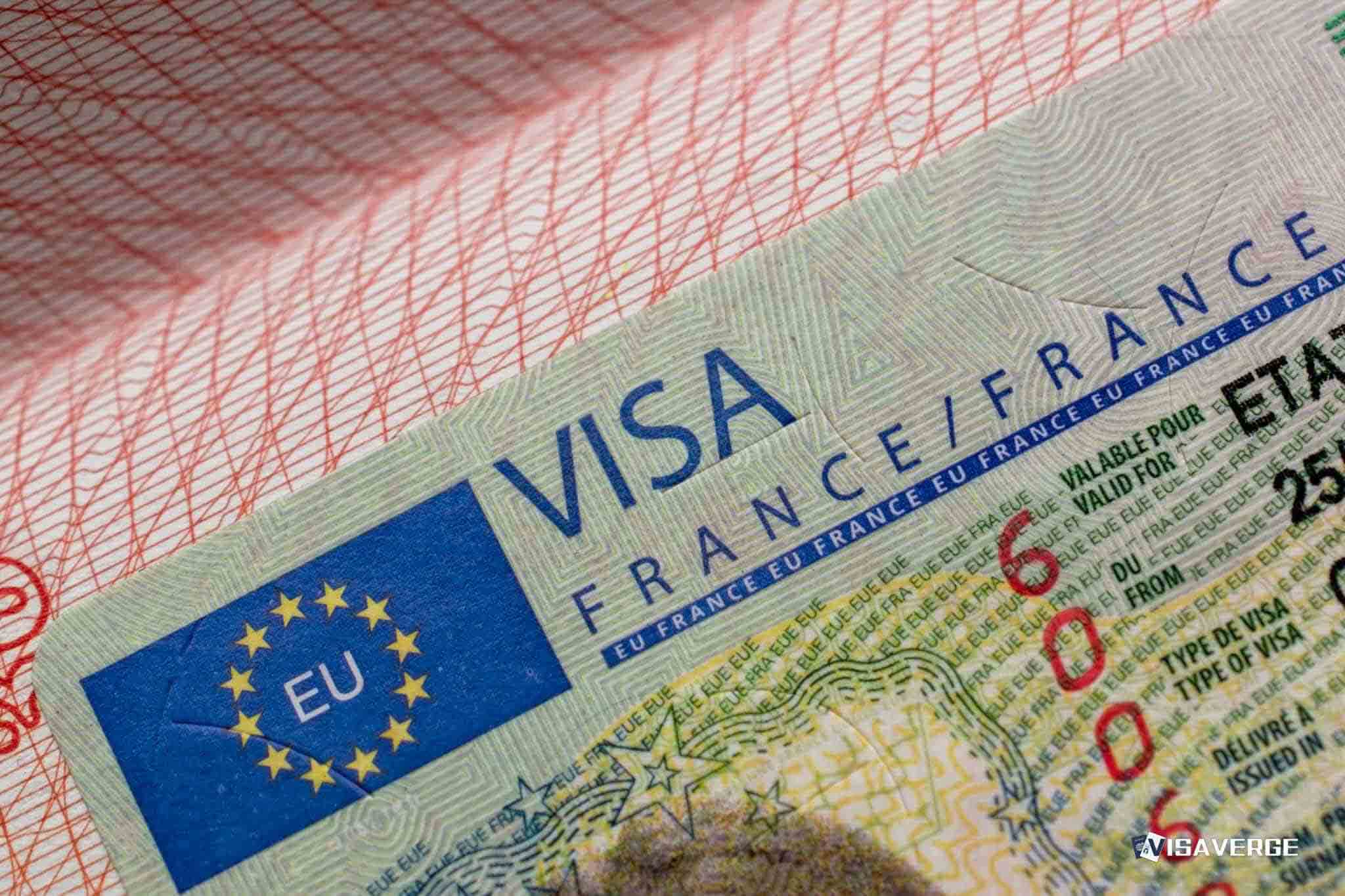
Officials in Paris are also preparing for the next step. The EU’s ETIAS travel authorization scheme is scheduled to begin in the last quarter of 2026, adding an advance online approval requirement for visa-exempt visitors including Americans, Canadians, Australians and New Zealanders.
The Entry/Exit System, or EES, began a gradual rollout on October 12, 2025 across 29 Schengen countries. It reached full operational status on April 10, 2026, marking the end of the phased launch and the start of mandatory use across the network.
In France, EES is active at eight external-border airports: Paris-Charles-de-Gaulle, Orly, Lyon, Marseille, Nice, Toulouse, Bordeaux and Nantes. Those airports now serve as the main points where travelers encounter the new registration process on entry and departure.
The system applies to nationals of non-EU and non-Schengen countries who enter for short stays of up to 90 days within 180 days, whether or not they need a visa. Holders of long-stay visas, overseas France visas or residence permits are not registered in EES.
The practical change for travelers is straightforward. Border agents no longer rely on a stamped passport page as the primary record of a short-stay visit; they record biometric data and log the crossing digitally instead.
That shift matters most at high-volume hubs such as Paris-Charles-de-Gaulle, where large numbers of long-haul passengers arrive in concentrated waves. France’s approach reflects an effort to absorb the added checks at busy airports while keeping passenger flows moving during peak periods.
EU rules give member states some room if lines build or systems face strain during the first months of full operation. Countries can partially suspend EES operations for up to 90 days after April 10, 2026, with a possible 60-day extension, a flexibility designed to manage congestion and provide temporary relief through summer 2026.
That temporary option does not change the broader direction of travel. Europe is replacing manual border records with digital ones first, then layering a pre-travel screening system on top through ETIAS later in the year.
ETIAS is not a visa. It is a travel authorization system that requires visa-exempt travelers to obtain approval online before departure, bringing Europe closer to systems already used elsewhere for short-term visitors.
The list of travelers expected to fall under ETIAS includes citizens of the United States, Canada, Australia and New Zealand. Their ability to travel visa-free for short stays remains in place, but the trip will require advance authorization once the system starts.
The application process is set up as an online form covering biometric, travel and security questions. Most applications are processed within 1 hour if no additional checks are needed, and an approved authorization remains valid for 3 years or until passport expiry.
Europe is also building in a softer start for ETIAS than for the Entry/Exit System. When ETIAS launches, a transitional period of at least six months will begin during which travelers should apply but will not be refused entry for lacking authorization.
After that, a second phase lasts another six months. During that grace period, first-time travelers can still enter without ETIAS if they meet the other entry requirements, while returning travelers will need authorization.
Those staggered timelines create an unusual overlap in 2026. France has already moved EES into full operation, but many travelers who will eventually need ETIAS will still be able to enter during the transition without it, provided they satisfy the rest of the border rules.
French authorities cast the two systems as linked parts of a broader border strategy. Paris sees EES and ETIAS as tools for smarter border management, with automation handling more of the routine record-keeping so officers can shift toward risk profiling.
That ambition is already shaping planning at Paris-Charles-de-Gaulle. The Interior Ministry intends to test a dedicated “red lane” there this summer for corporate account holders whose staff have preregistered biometrics and are flying with Air France and Delta.
The planned lane points to how France expects the new systems to evolve beyond simple compliance. If preregistered data can be matched quickly at the airport, border staff can separate some known traveler flows from the main queue and focus more attention on passengers who require closer review.
Paris-Charles-de-Gaulle is a natural test site because it sits at the center of France’s intercontinental traffic. A trial there offers a way to measure whether biometric preregistration can cut wait times for some travelers without loosening the controls built into EES and, later, ETIAS.
For airlines tied into the pilot, the project also hints at a larger redesign of the airport journey, one in which passenger data, border checks and carrier operations are more tightly connected before a flight lands. France has limited the initial test to Air France and Delta and to corporate account holders with preregistered biometrics.
The rollout also draws a clear line around who enters the new database and who does not. A short-stay traveler from outside the EU and Schengen area falls under EES at the French border, while someone holding a long-stay visa, an overseas France visa or a residence permit remains outside the system’s registration rules.
That distinction will matter as summer travel accelerates. Families, students on short visits, business travelers and tourists from visa-required and visa-exempt countries alike now meet the same EES recording system if they are traveling on a short-stay basis, while residents and long-stay visa holders follow a different track.
France’s full activation also closes the gap between pilot testing and routine use. Border systems often operate quietly until they become mandatory, and April 10, 2026 marked that point for French external borders under the EU framework.
The next date on the calendar is less precise but carries wider implications for travelers outside Europe. ETIAS is due in the last quarter of 2026, and once it arrives, the path into the Schengen area for visa-exempt visitors will increasingly involve two layers: digital border recording through the Entry/Exit System and advance travel permission through ETIAS.
Until then, France is running the first part of that model in full, airport by airport, lane by lane, with Paris-Charles-de-Gaulle at the center of the test for what Europe’s new border regime looks like in practice.