(UNITED STATES) A sweeping immigration crackdown across the United States 🇺🇸, Canada 🇨🇦, and the United Kingdom in 2025 is reshaping how students, workers, and families move across borders. New limits, tougher checks, and faster deportation systems are taking hold in all three countries. The moves — from The Trump administration’s aggressive enforcement push in the United States to caps on foreign students in Canada and tighter visa rules in the UK — are already changing decisions for people who hoped to study, work, or settle in these countries.
United States — enforcement returns to center stage

The Trump administration’s 2025 immigration crackdown has put enforcement back at the center of policy, with the White House extending this approach through 2029. Officials frame the shift around national security and protecting domestic jobs, and it is visible both at the border and inside the country.
- The government has paired tougher border controls with interior actions that reach into workplaces, local communities, and even citizenship and visa interviews.
- Interior operations include more frequent workplace visits, home arrests, and closer coordination with local law enforcement.
- The administration set a target of one million arrests annually tied to deportation efforts and increased coordination with allied governments in El Salvador and Guatemala for removals.
- There has been increased deployment of military resources at the border.
Worksite enforcement and I-9 audits
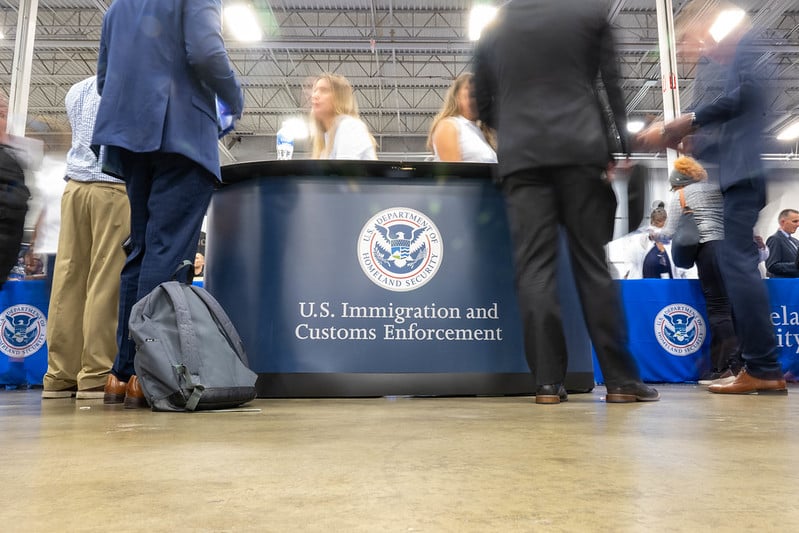
One clear sign of the shift is the expansion of worksite raids and I-9 audits (employer verification of work authorization). Immigration and Customs Enforcement (ICE) has sharply increased these checks.
- More than 1,000 workers were arrested in 2025 during enforcement actions.
- Audits are tied to the federal employment form Form I-9, which companies must use to verify identity and work authorization.
According to analysis by VisaVerge.com, this renewed focus has created fresh fear among undocumented workers and mixed-status families. Many employers worry about the cost and risk of even small paperwork mistakes.
Visa screening, detentions, and revocations
Visa holders are also affected. Temporary visa holders now face tougher screening at many stages:
- During citizenship interviews
- At visa renewal
- When attempting to re-enter the United States
Reports from immigration lawyers describe longer detentions and more visa revocations, with officers applying stricter standards and scrutinizing travel histories, security concerns, and any hint of status violations.
The message: no category is completely safe from review.
Refugees and asylum seekers
The U.S. Refugee Admissions Program, historically guided by humanitarian concerns, is being reshaped around security:
- More asylum applications are being rejected.
- More people from countries seen as adversarial are being deported rather than offered long-term protection.
- The asylum system now tilts more toward security screening and away from broad humanitarian relief.
Visa revocations at consulates
As part of the wider crackdown, the U.S. State Department revoked approximately 85,000 visas in 2025. VisaVerge.com reports that these revocations:
- Cover a range of visa types
- Reflect tighter scrutiny on foreign nationals entering or already in the U.S.
- Mean that past travel, social media posts, or minor status issues can lead to sudden loss of status
Canada — fewer new immigrants and a squeeze on temporary residents
Canada’s approach is different in detail but similar in effect: fewer new immigrants and an effort to reduce the share of temporary residents.
Immigration Levels Plan (2025–2027)
Canada’s 2025–2027 Immigration Levels Plan cuts planned permanent resident admissions by 105,000 in 2025 compared to earlier projections. The plan:
- Prioritizes people already inside Canada
- Emphasizes economic immigration (62% of admissions), family reunification (24%), and refugees
International students and post-graduate work
- Canada introduced a new cap on international student permits, cutting the number of new students by 10% in 2025 compared with 2024.
- Rules for the Post-Graduation Work Permit Program (PGWPP) have been tightened to link graduate work permits more closely to labor market needs.
- Some programs and schools that once led easily to post-study work options may no longer do so.
Temporary residents target
The federal government set a target to reduce temporary residents to 5% of the population by the end of 2026. This group includes foreign workers and international students.
- This marks a sharp turn from past use of temporary programs to fill jobs and boost institutions.
- Prospective migrants may find pathways narrower; those already in Canada may face pressure to move from temporary status to permanent residence.
For official guidance, many applicants consult U.S. Citizenship and Immigration Services and Canadian counterparts when weighing options between systems.
United Kingdom — higher thresholds, shorter post-study work, faster removals
The UK has tightened rules for students and skilled workers, increasing financial, language, and removal requirements.
Student visa and post-study changes
- For the 2025–26 academic year, the UK raised the financial threshold for student visas, requiring applicants to show higher proof of funds.
- The post-study work period for international graduates will fall from two years to 18 months from January 1, 2027.
These changes make it harder for students from lower-income families to afford UK study and shorten the time to find work after graduation.
Skilled worker and high-skill routes
- The High Potential Individual (HPI) visa cap will double.
- The Global Talent and Innovator Founder routes are being adjusted to attract skilled applicants while tightening overall rules.
- English language demands are rising: from January 8, 2026, first-time applicants for the Skilled Worker Visa, HPI, and Scale-up routes must meet CEFR B2 English.
Caps and eligible sponsors
- The UK will increase the number of eligible universities for visa sponsorship to 100.
- There will be an annual cap of 8,000 applications starting November 4, 2025 for that route.
“Deport now, appeal later” and safe countries expansion
In August 2025, the UK expanded its list of “safe countries” to 23 under the “deport now, appeal later” approach.
- Nationals from these countries who are denied humanitarian-based immigration claims can be deported before they appeal.
- People with criminal convictions from these countries can be removed immediately.
- Appeals often must be made from overseas, frequently by video conference, which limits access to UK courts and complicates evidence gathering and legal representation.
Comparative snapshot
| Country | Key 2025 changes | Impact highlights |
|---|---|---|
| United States | Mass enforcement push; I-9 audits; ~85,000 visa revocations | Increased raids, detentions, visa revocations, tighter asylum screening |
| Canada | -105,000 PR admissions in 2025; -10% new students; target: temporary residents = 5% by end 2026 | Fewer permanent admissions, capped student permits, stricter PGWPP links |
| United Kingdom | Higher student financial thresholds; post-study work 2 → 18 months (from 2027); CEFR B2 English requirement (from 2026); safe countries expanded to 23 | Higher financial/language barriers, numerical caps, faster deportations with limited appeals |
Key takeaways
Across the United States, Canada, and the United Kingdom in 2025, the trend is toward stricter control, lower numbers in some categories, and faster removal systems. People who want to move, study, or work in these countries now face higher barriers, more checks, and more uncertainty than a few years earlier.
- The U.S. enforcement drive — from mass deportation goals to worksite raids and detailed I-9 audits — is among the most aggressive.
- Canada’s cuts to planned permanent residents, caps on students, and targets to shrink temporary status signal a move to slower growth.
- The UK’s higher financial, language, and deportation thresholds tighten access and shorten post-study opportunities.
If you would like, I can:
1. Produce a one-page checklist for prospective students or workers applying to any of these three countries.
2. Create a timeline of key implementation dates for the UK, Canada, and U.S. changes.
3. Summarize visa-type impacts (student, skilled worker, temporary worker, refugee) with actionable next steps. Which would you prefer?
In 2025 major immigration reforms in the U.S., Canada, and the UK prioritize enforcement, reduce admission numbers, and speed removals. The U.S. expanded worksite enforcement, I-9 audits, interior arrests, and revoked roughly 85,000 visas. Canada cut 105,000 planned permanent resident spots, capped student permits and targeted temporary residents. The UK raised financial and English requirements, shortened post-study work, doubled some visa caps and expanded ‘safe countries’ to accelerate deportations.