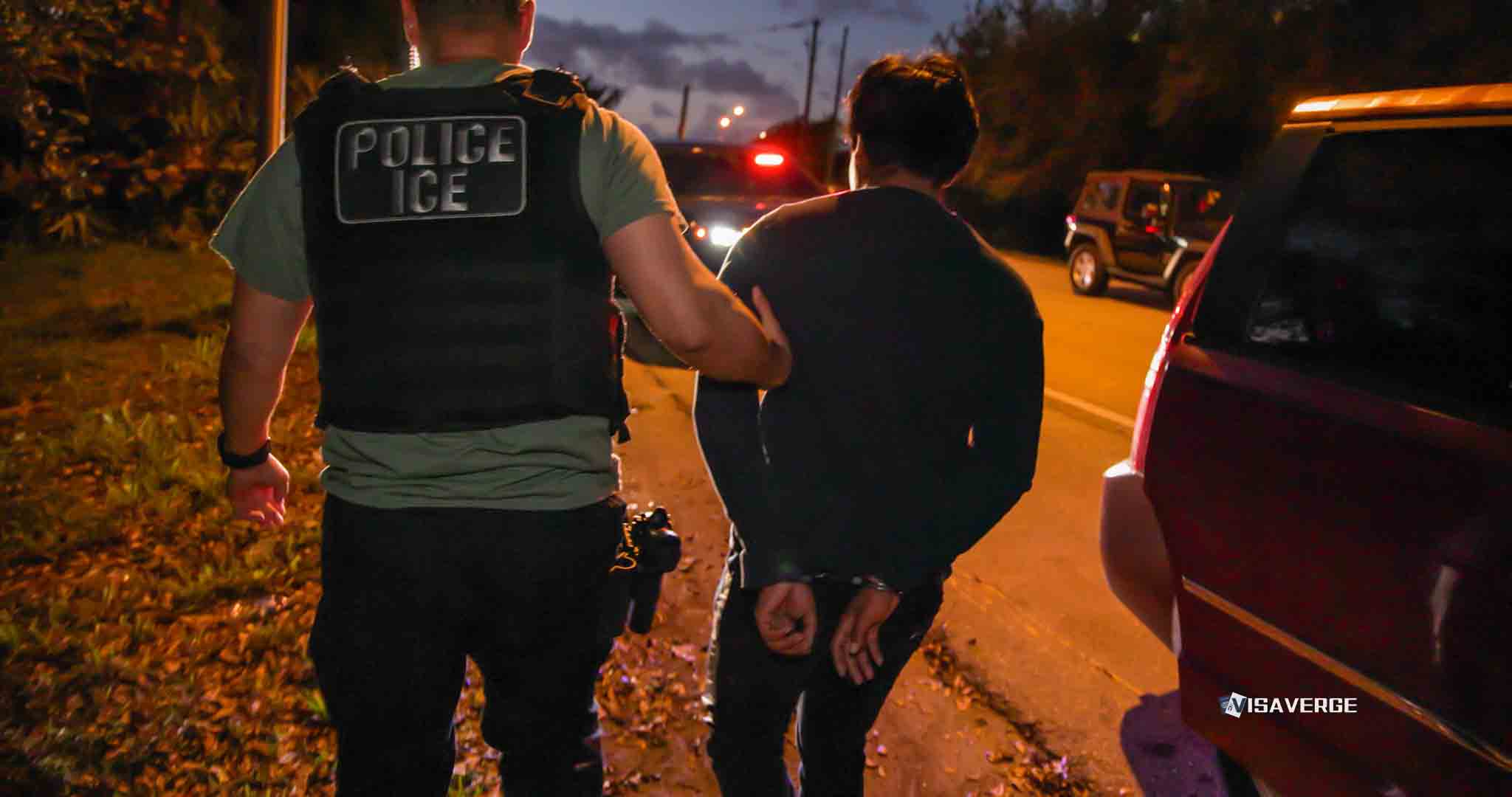
(DETROIT, MICHIGAN) — Ferris State University fired Sumith Gunasekera for misconduct on December 11, 2025, weeks after officers from ICE Detroit arrested the marketing professor in the Detroit area, the Department of Homeland Security said.
Gunasekera, a Sri Lankan national and Associate Professor of Marketing at Ferris State University in Big Rapids, Michigan, was terminated after a university hearing that he did not attend found he had provided “false or misleading information” on his employment application about his background and status.
Arrest, custody, and university action
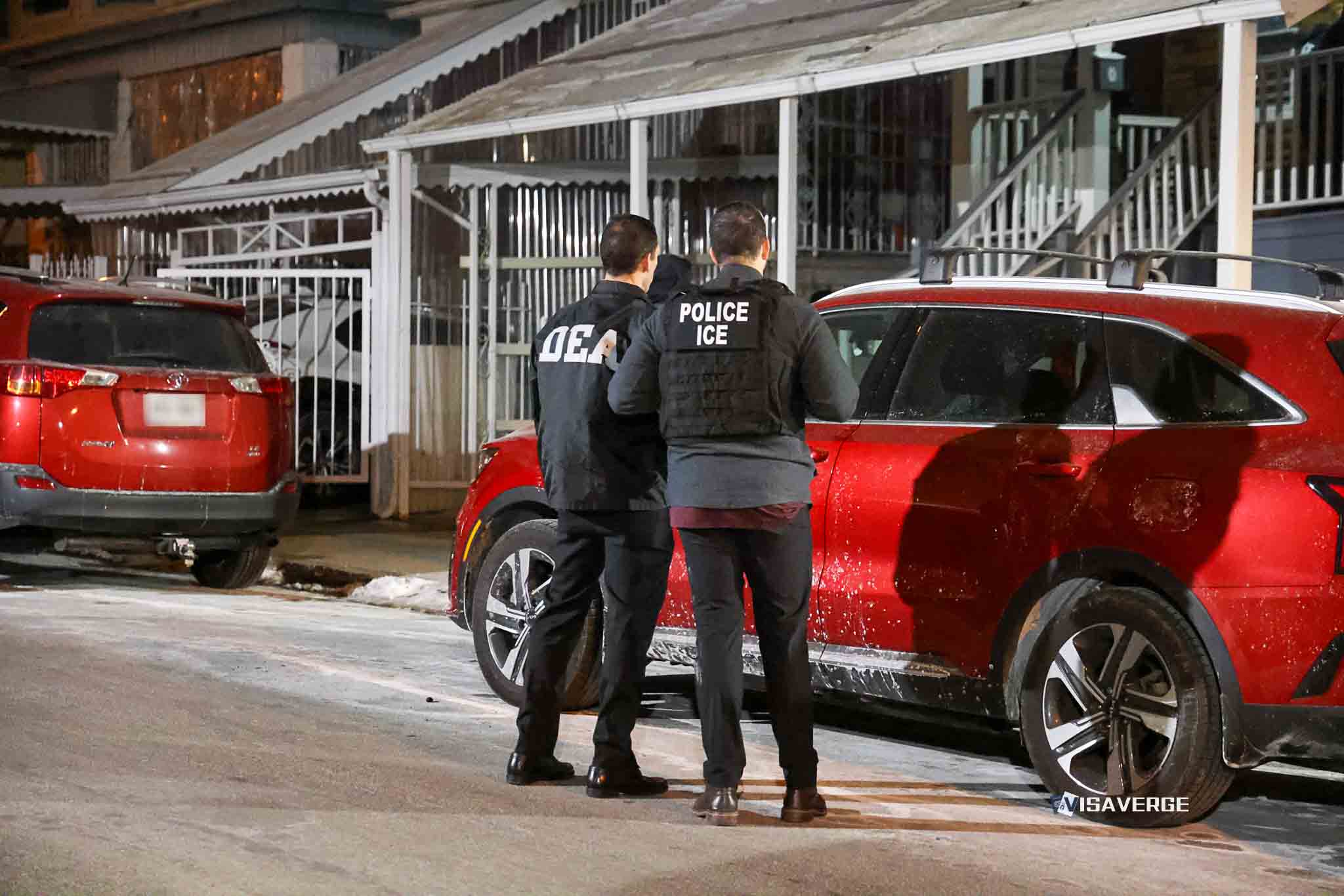
Officers from ICE Detroit arrested Gunasekera on November 12, 2025, DHS said, placing him into federal custody as immigration authorities moved to pursue removal proceedings and investigate what the agency described as a long-running immigration history across the United States and Canada.
Gunasekera remains in ICE custody at the North Lake Processing Center in Baldwin, Michigan, pending further immigration proceedings and potential removal to Sri Lanka, DHS said.
Ferris State placed Gunasekera on administrative leave on November 25, 2025, the same day DHS publicized the arrest, before an internal investigation ended with his firing for misconduct, according to the department’s account of the case.
DHS framing and public statements
U.S. officials framed the case as both an immigration enforcement action and a campus safety issue, pointing to Gunasekera’s past convictions and what they described as repeated attempts to obtain legal status despite those records.
“It’s sickening that a sex offender was working as a professor on an American college campus and was given access to vulnerable students to potentially victimize them. Thanks to the brave ICE law enforcement officers, this sicko is behind bars and no longer able to prey on Americans,”
Tricia McLaughlin, DHS Assistant Secretary (DHS press release dated November 25, 2025).
The DHS press release carried the headline “ICE Detroit Arrests Criminal Illegal Alien with History of Sex Crimes Working as College Professor,” reflecting the language used by the agency as it described the case and its implications for campuses.
Alleged criminal history and immigration timeline
DHS described the arrest as the latest step in an immigration history that began when Gunasekera first entered the U.S. in February 1998, moved to Canada, and returned later that year on a student visa.
According to DHS, Gunasekera later applied for a change of status with U.S. Citizenship and Immigration Services in 2012/2013, and the agency discovered Canadian convictions that it said rendered him ineligible for legal status in the United States.
An official ICE statement in the November 25, 2025 DHS release said:
“Over the years Gunasekera repeatedly attempted to manipulate our immigration system between applications, denials, and appeals despite the convictions in Canada that made him ineligible for legal status in the United States.”
DHS laid out a criminal history spanning Canada and the United States, including:
- August 1998 (Brampton, Ontario) — Arrest for uttering death threats and sexual interference with a minor (per DHS).
- November 1998 (Brampton, Ontario) — Convicted of uttering a threat to cause death or bodily harm and sexual interference; sentenced to one month in jail and one year of probation (per DHS).
- January 2004 (Las Vegas, Nevada) — U.S. conviction for disorderly conduct following an arrest for open and gross lewdness (per DHS).
Federal officials said USCIS identified Gunasekera’s criminal record as early as 2012, when he sought a change of status, but DHS reported that he remained in the country while pursuing various appeals.
DHS assertions about eligibility and enforcement
DHS argued the Canadian convictions left Gunasekera ineligible for legal status and described a years-long chain of “applications, denials, and appeals.” The department did not provide the specific names of filings or the dates of each appeal step.
Federal officials cast the matter as an enforcement priority tied to public safety, noting the combination of his employment at a public university and the immigration timeline.
University response and unknowns
Ferris State officials emphasized that “student safety is our top priority,” DHS said, as the university moved to terminate his employment once the nature of his arrest and prior history became clear.
DHS said the university’s termination followed a hearing that Gunasekera did not attend, and that the result turned on findings that he had provided “false or misleading information” on his employment application regarding his background and status.
However, the department’s account did not detail:
- What Ferris State’s hiring process uncovered at the time of his employment application.
- How the university evaluated his disclosures when he was hired.
- The scope of Gunasekera’s teaching duties at Ferris State.
- The length of his employment at the university.
- Whether Ferris State has reviewed other personnel files.
Those specifics were not included in the DHS release, which focused on his job title, the termination date, and the finding of misleading information.
Broader context and procedural notes
The case highlights the roles of different agencies in immigration matters:
- ICE Detroit — Responsible for arrests and detention for immigration enforcement.
- USCIS — Handles benefits and status adjudications; denials and appeals can later factor into enforcement actions.
DHS did not identify any attorneys or representatives for Gunasekera in its statements, and the department did not include a response from him to the allegations about his immigration history or the university’s findings.
Remind HR to keep employee files current, review international records responsibly, and consult legal counsel before finalizing actions tied to immigration status or past convictions.
The department repeatedly pointed to the Canadian convictions as the central factor in its assessment of Gunasekera’s eligibility, while ICE emphasized what it described as repeated attempts to secure status “despite the convictions in Canada.”
Summary timeline
| Date | Event |
|---|---|
| February 1998 | Gunasekera first entered the U.S.; moved to Canada later that year. |
| August 1998 | Arrest in Brampton, Ontario (uttering death threats, sexual interference — per DHS). |
| November 1998 | Conviction in Brampton: uttering a threat and sexual interference; sentence: 1 month jail, 1 year probation (per DHS). |
| January 2004 | U.S. conviction in Las Vegas for disorderly conduct after arrest for open and gross lewdness (per DHS). |
| 2012/2013 | Applied for change of status with USCIS; USCIS identified Canadian convictions (per DHS). |
| November 12, 2025 | Arrested by ICE Detroit and placed in federal custody (per DHS). |
| November 25, 2025 | Ferris State placed him on administrative leave; DHS publicly released statements and McLaughlin’s quote. |
| December 11, 2025 | Fired by Ferris State University for misconduct after a hearing he did not attend (per DHS). |
Closing details
Ferris State, a public university in Big Rapids, Michigan, must now manage the fallout from a high-profile arrest of a faculty member, while immigration authorities continue to hold Gunasekera in Baldwin as proceedings move forward.
DHS published its account of the arrest and allegations in the November 25, 2025 press release, “ICE Detroit Arrests Criminal Illegal Alien with History of Sex Crimes Working as College Professor,” and pointed to ICE’s broader public updates through its newsroom.
ICE arrested Ferris State University professor Sumith Gunasekera in November 2025. Following the arrest, the university terminated his employment for misconduct, specifically citing false information on his job application. DHS highlighted his criminal record in Canada and the U.S., including sex crimes. Gunasekera is currently in federal custody in Michigan awaiting potential deportation to Sri Lanka after years of immigration appeals.