- FEMA is withholding $608.4 million in grants intended for Florida’s temporary migrant detention facilities.
- Operational costs for ‘Alligator Alcatraz’ and ‘Deportation Depot’ could reach $1.7 billion by 2027.
- Federal lawyers argue the funding was never final due to unfinished environmental reviews and compliance steps.
(FLORIDA) — The federal government is withholding a $608.4 million grant meant to reimburse Florida for building and running makeshift immigration detention sites, leaving the state on the hook for hundreds of millions of dollars as legal challenges and federal reviews drag on.
The money, approved as a “Detention Support Grant” on Sept. 30, 2025, remains blocked as of March 3, 2026, even as Florida continues operating temporary facilities that officials tied to President Trump’s push for “mass deportations.”

The standoff has turned FEMA withholding into an operational and legal pressure point for Florida’s immigration lockups, with the state already drawing heavily on its emergency funds while federal lawyers cite unfinished compliance steps and argue the funding was never final.
Secretary Kristi Noem, in a June 24, 2025 statement at the project’s onset, framed the effort as a rapid expansion backed by federal help. “Under President Trump’s leadership, we are working at turbo speed on cost-effective and innovative ways to deliver on the American people’s mandate for mass deportations. We will expand facilities and bed space in just days, thanks to our partnership with Florida. These new facilities will in large part be funded by FEMA’s Shelter and Services Program,” Noem said.
A FEMA spokesperson echoed that message on July 2, 2025, saying, “We are working at turbo speed. we will expand facilities and bed space in just days, thanks to our partnership with Florida.”
Those public assurances ran into administrative controls and legal positioning as environmental lawsuits targeted an Everglades-area detention site and federal officials pointed to review requirements that can halt reimbursement even when political leaders promise support.
The most direct sign of the hold emerged in an email dated December 10, 2025, after Florida submitted a $30 million payment request. FEMA denied it, writing: “The EHP [Environmental and Historic Preservation] hold should not have been lifted as the EHP review was not yet finalized. FEMA will put the funds back on hold until the EHP review is finalized.”
Florida’s spending has continued. The state has already spent at least $573 million from its Emergency Preparedness and Response Fund on the detention operations, as the state awaits reimbursement tied to the larger grant approval.
Florida Division of Emergency Management projections put the price tag far higher over time. The agency projects the two primary facilities — “Alligator Alcatraz” in the Everglades and “Deportation Depot” in Baker County — will cost a combined $1.7 billion through July 2027.
Records cited in the dispute show how quickly costs accumulated at the Everglades facility. “Alligator Alcatraz” cost $390.2 million in its first four months alone, with daily costs peaking at over $3 million during the initial setup.
That pace matters because reimbursement decisions can hinge on documentation, compliance sign-offs, and whether federal officials accept that costs match an approved framework. It also means Florida’s financial exposure rises quickly while the federal hold remains in place.
In February 2026, Department of Justice attorneys responding to environmental lawsuits began describing the federal role in narrower terms than earlier public messaging. “The existence of a state application is only a preliminary step towards a final federal funding decision, and FEMA has not made that ultimate decision even now,” the attorneys wrote in legal filings. They also described the funding plans as “unrealized” and “legally insufficient.”
The funding posture intersects with litigation over environmental reviews. Environmental groups, including Friends of the Everglades, sued to stop the Everglades facility, arguing it violated the National Environmental Policy Act. In that context, federal arguments that the government had not provided funding yet and therefore was not subject to NEPA pulled FEMA’s reimbursement plans into the center of the case.
The December 10 email pointed to Environmental and Historic Preservation review as a concrete reason for keeping money on hold. FEMA’s EHP process is designed to ensure projects meet federal requirements before funds flow, and the email indicated the hold was reinstated because the review “was not yet finalized.”
Beyond EHP review, administrative limits inside the Department of Homeland Security have also slowed large expenditures, including grants not tied to disaster response. Noem recently imposed a rule requiring her personal sign-off on any FEMA expenditure exceeding $100,000, a threshold that has slowed disbursement of non-disaster grants, according to the information provided.
The broader fiscal environment inside DHS has added another layer of uncertainty. As of late February 2026, DHS faced multiple funding lapses and a partial shutdown tied to Congressional stalemates over immigration enforcement “guardrails,” complicating FEMA’s ability to process state reimbursements.
For Florida officials and contractors, the delayed flow of federal money raises questions about how long the current operating tempo can continue without a funding bridge. The state’s reliance on its Emergency Preparedness and Response Fund has drawn attention because that fund also supports readiness for natural disasters.
Governor DeSantis used the state’s emergency fund to pay for the facilities, and critics argue the fund is now nearly depleted while the state awaits federal reimbursement. The dispute has put the relationship between immigration detention operations and Florida’s hurricane preparedness into the same budget conversation.
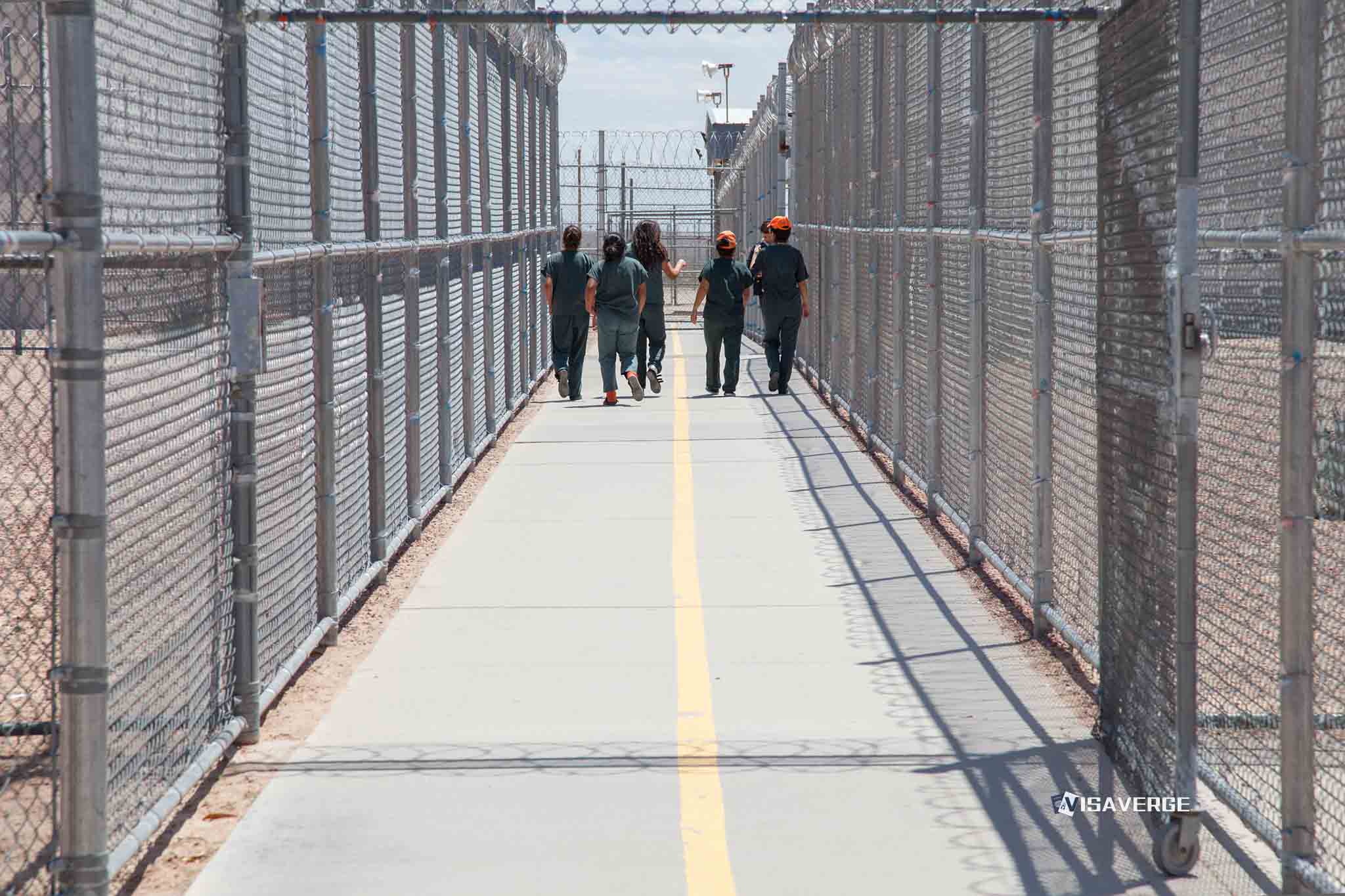
The stakes extend beyond state balance sheets. The facilities, particularly the Everglades site, consist of temporary tents and trailers in remote areas, a setup that can complicate oversight and sustained medical operations over long periods.
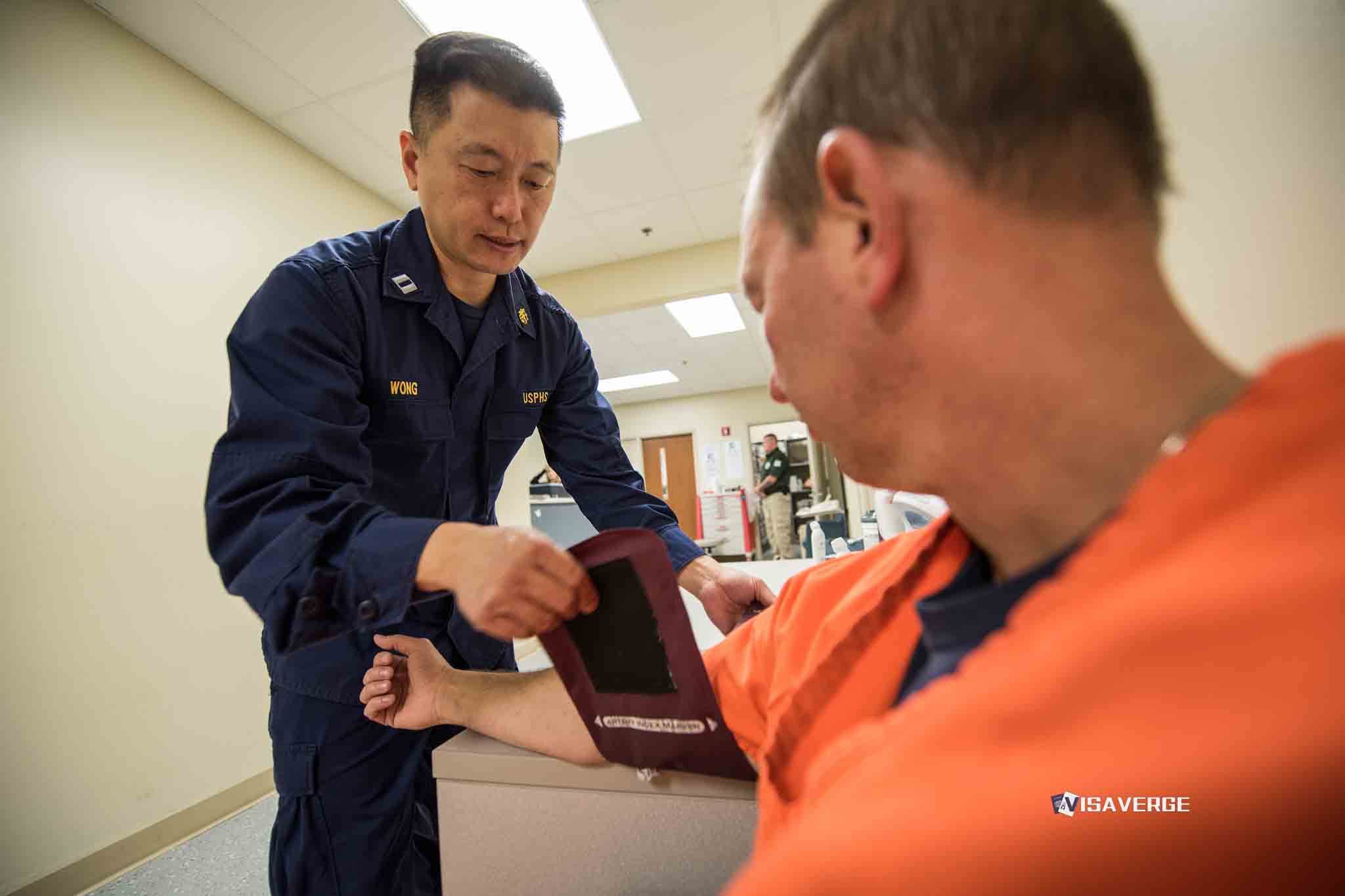
DHS officials have said the sites provide medical care and air conditioning, but the lack of permanent infrastructure and the continuing legal uncertainty have driven concerns about long-term stability and oversight for people held in the facilities.
Taxpayers also face a direct financial question if federal officials succeed in court with arguments that the grant was never final. The information provided states Florida taxpayers may be forced to cover the nearly $600 million already spent, along with projected future costs, if reimbursement does not arrive or is reduced.
At the center of the dispute is whether early political commitments can substitute for completed federal reviews and final agency approvals. The December 10 email shows FEMA linking payment decisions to the status of EHP review, while the DOJ filings depict the state’s funding request as preliminary and legally insufficient to trigger the obligations challengers argue should apply.
The fight has left Florida’s detention expansion effort operating in a space between fast-moving construction and slower-moving federal compliance checks. That mismatch has become more visible as spending figures stack up and court filings describe the funding as still undecided.
For readers tracking official developments, federal agencies publish updates through their own channels. DHS posts releases and statements at the DHS Newsroom, FEMA publishes program and agency announcements on its press releases page, and USCIS posts immigration system updates and related federal actions on its newsroom page.