- The FAA halted all flights at El Paso International Airport for ten days starting February 10.
- The airspace is designated as national defense airspace due to undisclosed special security reasons.
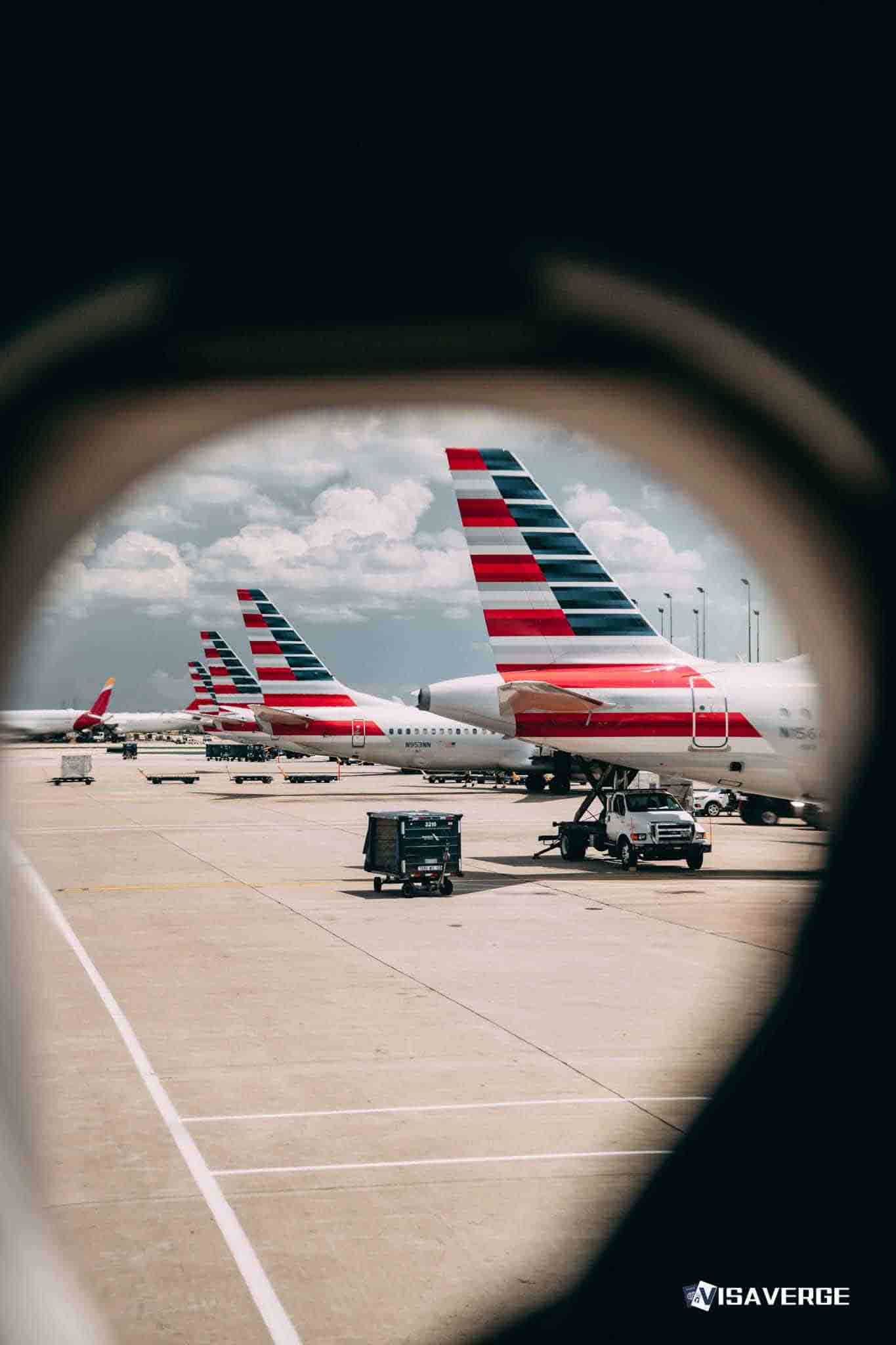
- The closure affects commercial, cargo, and general aviation, leaving at least 17 jets currently immobilized.
The Federal Aviation Administration halted all flights at El Paso International Airport in Texas for 10 days, citing “special security reasons” without providing further explanation.
The shutdown took effect on February 10 at 11:30 PM (MST) and runs until February 20 at 11:30 PM (MST), cutting off arrivals and departures at a commercial airport that sits near a busy international border crossing.

Airlines and travelers faced immediate disruption as schedules broke apart and aircraft already on the ground could not depart. The restriction is temporary and limited to the airspace around El Paso International Airport, but it blocks normal operations at the field during the 10-day window.
El Paso International Airport sits approximately two miles from the Mexican frontier, and its proximity to the U.S.–Mexico border makes any full stop at the airfield operationally sensitive.
Major carriers serve the airport, including American Airlines, Southwest, Delta, United, Alaska Airlines, and Frontier. That mix increases the scale of passenger disruption because carriers feed travelers into wider networks and connections beyond west Texas.
At least 17 commercial jets are immobilized by the closure, a constraint that can push cancellations and changes beyond El Paso as airlines reposition planes and crews around missing segments.
The FAA’s order bars commercial, cargo, and general aviation operations within the restricted area, stopping everything from scheduled passenger departures to private flights that would normally share the airspace.
In its notice, the FAA designated the airspace as “national defense airspace,” a label that signals a higher enforcement posture and a narrower tolerance for deviation than routine temporary restrictions.
Pilots who violate the restrictions face consequences that can include interception or detention by law enforcement, civil penalties, certificate action, and potential criminal enforcement. The notice also warned of the possible use of “deadly force” against an aircraft if it poses an imminent security threat.
The restrictions’ breadth matters because the ban applies across aircraft types and missions, removing the usual flexibility that airports and operators sometimes use to keep limited service running during disruptions.
For commercial airlines, a full operational halt severs the normal chain of inbound aircraft arriving to operate outbound legs, and it prevents late-day recovery flying that carriers often use to rebuild schedules after earlier delays.
General aviation operators, including business and private pilots, also fall under the prohibition, eliminating an alternative stream of activity that sometimes continues even when airline schedules thin out.
The FAA spelled out the restriction’s footprint as a defined zone around the airport and capped it at a specific upper altitude, a combination that blocks the climb-out and approach corridors aircraft need for departures and arrivals.
Within that zone, the agency prohibited all aircraft operations, a formulation that leaves little room for routine movements associated with normal airport activity.
By setting the restricted airspace around the airport, the order effectively shuts down access to the runways for aircraft that would otherwise be arriving to land or departing for other cities.
Flights simply transiting the broader region may not need to land at El Paso International Airport, but the restriction’s radius and vertical limits can still reshape routing options as airlines and other operators plan paths that avoid the prohibited airspace.
Travelers can experience cancellations, reroutes, and longer itineraries as carriers adjust service, and re-accommodation can require shifting customers to different flights or different airports depending on availability.
The FAA’s notice defined the restricted area as a 10 nautical mile radius of El Paso Airport from ground level up to 17,999 feet, placing the key approach and departure airspace off limits for the duration of the order.
El Paso’s airport also sits in a region where cross-border commerce and movement intersect with domestic airline networks, making the closure consequential even without any change to surrounding surface travel.
Alongside passenger operations, the airport houses one of the largest cargo facilities near the border, and a stop to aircraft operations can ripple into freight schedules that rely on precise timing.
A full pause at the field can interfere with time-sensitive shipments and routing decisions, especially when cargo moves through tightly planned sequences that connect air movements to other modes of transport.
Disruptions can include delays in transfers between trucking and air legs, rerouting to alternate airports, and schedule compression after reopening as operators work to move backlogs through constrained slots.
The cargo impact also extends to businesses that plan inventory and deliveries around expected lift, because a closure can force changes in where shipments enter the air network and when they can move.
El Paso International Airport’s location near the border adds another layer of operational complexity because the region supports both local demand and flows tied to cross-border logistics.
Even without details about the reason for the restriction, the effect is clear: the airport cannot function as a passenger gateway or cargo node while the ban remains in force.
El Paso Airport authorities said they have reached out to the FAA and are awaiting additional guidance, indicating local officials are seeking more clarity about how long the disruption could last and what conditions govern the reopening.
The FAA has not publicly detailed the specific security reasons behind the closure, leaving airlines and airport users to rely on the boundaries and timing laid out in the temporary restrictions.
Airlines typically issue travel alerts and rebooking instructions when flights are canceled, and passengers often receive updates through carrier communications tied to specific itineraries.
Airport advisories can also guide travelers on what services remain available on the ground during a halt in flights, while FAA notices set the formal parameters for when flight operations can resume.
For now, the effective dates and the scope of the restricted airspace define the immediate reality for El Paso International Airport: a complete stop to flight activity ordered by the Federal Aviation Administration for “special security reasons,” with airport officials awaiting further direction.