

(San Diego, CALIFORNIA) — Flights into and out of San Diego International Airport are running late as runway and taxiway construction squeezes capacity during one of the busiest travel weeks of the year. If you’re flying today or through the first week of January, expect longer taxi times, missed connections, and last-minute rebookings.
The Federal Aviation Administration said construction activity is driving the congestion, reducing how many aircraft can arrive each hour. By midday during the affected period, arriving domestic flights were averaging about 50 minutes late. As of the afternoon report, FlightAware was showing at least 108 delays at the airport.
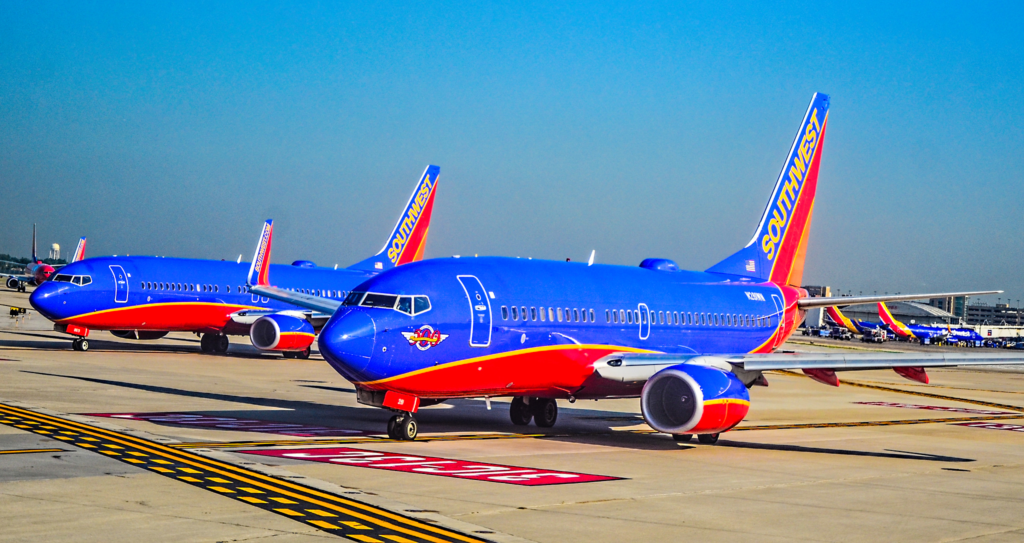
San Diego’s timing couldn’t be worse for travelers. The airport projected as many as 1.4 million arriving and departing passengers during the winter holiday window from Dec. 19, 2025 through Jan. 5, 2026. That works out to about 75,000 travelers per day, with 85,000 on peak days.
San Diego International Airport is also uniquely sensitive to disruption. It’s widely described as the busiest single-runway airport in the U.S. That means there’s little slack in the schedule. When construction narrows taxiway access or slows spacing on approach, delays can stack up fast.
Current impacts travelers are seeing
Most of the pain shows up in three places:
- Arrivals: The FAA flagged reduced arrival capacity, which can hold flights at their origin.
- Taxi-in and taxi-out: Even if you land on time, a congested ramp can add minutes.
- Connections and aircraft rotations: Late inbound planes mean late outbound departures.
Holiday travel magnifies the ripple effect. A single late arriving aircraft can push back multiple later departures on the same tail.
A late SAN departure can quickly derail tight connections at LAX, SFO, PHX, or DEN. Avoid short layovers and consider a same-day swap to a nearby airport when feasible to protect your itinerary.
San Diego’s guidance is to build extra time into your airport plan. The airport identified peak curbside periods at 4–6:15 a.m., 9:30 a.m.–12:30 p.m., and 8 p.m.–12 a.m. Those hours are when drop-offs, bag checks, and security lines tend to surge.
⚠️ Heads Up: If you have a tight connection at LAX, SFO, PHX, or DEN, a late departure from San Diego can erase it quickly. Aim for longer layovers this week.
Why SAN is more vulnerable than many airports
San Diego has strong demand and limited pavement. Unlike airports with multiple parallel runways, there isn’t an easy way to “catch up” after a slowdown. Airlines can pad schedules, but there’s a limit. In practice, travelers often see:
- More ground stops for inbound flights
- More gate holds when gates fill up
- More rolling delays that last into the evening
For business travelers and families alike, that translates into more missed events, extra hotel nights, and rebooking headaches.
How airlines may handle rebooking and fees
Airlines typically issue travel waivers when weather or major operational disruptions occur. Construction-driven delays can be trickier: sometimes a waiver appears, sometimes not.
Key actions and considerations:
- Check your carrier’s app early — that’s often where waivers and change options appear first.
- If a waiver posts, you can often change flights without paying the usual change fee or fare difference. This mostly helps domestic economy tickets.
- If you hold Basic Economy, read the fine print. Some carriers limit voluntary changes unless a formal waiver is announced.
- If your flight is delayed enough to trigger an involuntary change, agents can usually rebook you. The threshold for involuntary changes varies by airline and situation.
Mileage and loyalty implications
Delays can affect your points strategy in three real ways:
- If you’re chasing elite status, a cancellation or misconnect can cost you a flight segment — important in programs like American AAdvantage or Alaska Mileage Plan.
- Rebooking onto a partner airline can change how mileage credit posts. Save boarding passes until credit appears in your account.
- Award tickets often offer more flexibility. Many U.S. carriers now permit free cancellation or redeposit of award bookings, which can be a safety valve during operational disruptions.
Alternate airports to consider
San Diego is convenient, but if your plans are flexible, nearby airports may avoid construction-related bottlenecks.
| Option | Pros | Cons |
|---|---|---|
| San Diego (SAN) | Closest to downtown and beaches | Single-runway limits recovery during disruptions |
| Los Angeles (LAX) | More flights and rebooking options | Longer ground commute, heavy traffic |
| Orange County (SNA) | Closer to North County SD than LAX | Short runway and strict noise rules limit late recovery |
| Ontario (ONT) | Often smoother ops than LAX | Farther drive to San Diego |
If you hold a refundable fare or a changeable award, a same-day swap to LAX or SNA can sometimes save hours — especially if SAN is flow-controlled.
Practical tips if you’re flying through Jan. 5
Construction delays are manageable with planning. Recommended tactics:
- Book earlier departures when possible; delays compound later in the day.
- Avoid tight connections through hubs with winter issues (e.g., DEN, ORD).
- Carry on if you can, since rebooking with checked bags is slower.
- Turn on app notifications for gate changes and departure updates.
- Monitor the inbound aircraft in your airline app — knowing whether your plane is delayed at its origin helps you anticipate rebooking needs.
San Diego expects the holiday rush through Sunday, Jan. 5, 2026. If you’re traveling before then, pad your schedule, watch your inbound aircraft in the airline app, and pick flights with longer connection buffers to protect the trip.
San Diego International Airport is experiencing major operational hurdles this holiday season. Runway construction has significantly reduced arrival capacity, leading to average delays of 50 minutes and over 100 daily disrupted flights. As the nation’s busiest single-runway hub, SAN lacks the flexibility to absorb these delays. Travelers are advised to monitor apps closely, anticipate missed connections, and consider nearby alternatives like Ontario or Orange County through early January.


