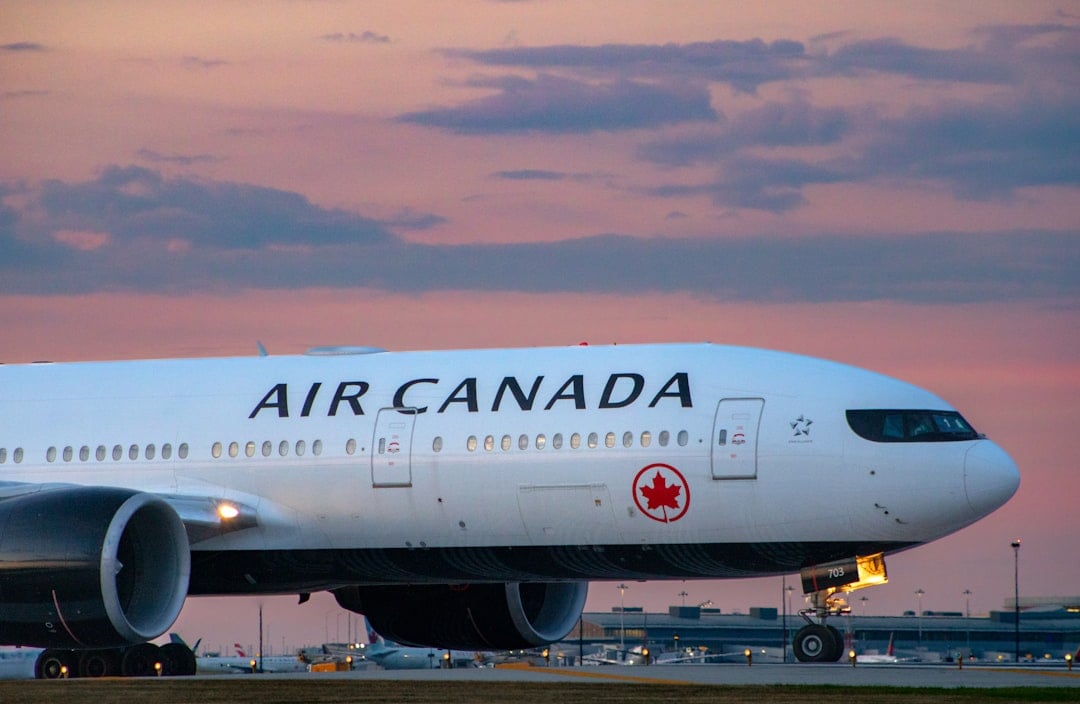
(WASHINGTON, D.C.) Federal aviation leaders are under pressure after a midair collision on January 29, 2025, near Ronald Reagan Washington National Airport that killed 67 people, and after a later six-week government shutdown forced the Federal Aviation Administration to order flight cuts at dozens of major airports. The FAA has taken a series of safety steps in 2025, but the provided record does not show the agency telling Congress it is taking action specifically because of the January crash, a gap that has left families and frequent fliers demanding clearer answers.
The collision and immediate political reaction

The collision — involving a commercial aircraft and a military helicopter — quickly became a national flashpoint not only for air safety but also for the way Washington assigns blame.
In the days that followed:
– The White House issued a Presidential Memorandum directing the Secretary of Transportation and the FAA Administrator to review hiring decisions and safety protocols from the prior four years.
– The memorandum linked responsibility to the Biden Administration, asking officials to determine whether standards had slipped and whether “unqualified personnel” should be replaced.
– The memo framed the tragedy as proof that “deteriorations in standards” required prompt corrective action.
Because the memorandum also pointed to diversity, equity, and inclusion (DEI) policies as part of the hiring debate, reactions were sharply divided. Some conservative lawmakers praised the move, while others criticized turning safety oversight into a culture-war fight.
Aviation workers and travelers — including many immigrants who depend on reliable flights to keep jobs and maintain family ties — have watched the political crossfire with dread. Even brief disruptions can trigger missed visa appointments, lost wages, and difficult choices about whether to travel at all.
Congressional scrutiny and the shutdown’s impact
Congressional attention resurfaced later in the year as lawmakers examined how the 2025 shutdown strained the aviation system.
- Sen. Moran announced a Senate Commerce Committee hearing titled “Flying on Empty: How Shutdowns Threaten Air Safety, Travel, and the Economy.”
- The hearing agenda referenced the January collision alongside the shutdown’s ripple effects.
The provided material indicates the shutdown created backlogs in:
– FAA certifications
– Oversight work
– Rulemaking
– Training approvals
Those delays impeded safety improvements and added to staffing pressures that were already relevant to the collision context.
FAA emergency actions in late 2025 — timeline
The FAA issued multiple safety orders and directives in late 2025. Below is a concise timeline of the agency’s most concrete responses described in the provided material.
| Date | Action | Key details |
|---|---|---|
| Nov 8, 2025 | Emergency Airworthiness Directive | Grounded 109 U.S.-registered MD-11 and MD-11F aircraft for inspections |
| Nov 12, 2025 | Emergency Order | Required a 10% reduction in flights at 40 high-volume airports; civil penalties up to $75,000 per excess flight |
| Nov 15, 2025 | Expanded Airworthiness Directive | Added 10 MD-10 and DC-10 aircraft due to shared design flaws |
| Dec 1, 2025 | Compliance investigations start | FAA began investigating whether airlines complied with the Nov 12 flight reductions |
| Dec 16, 2025 | Federal Register Airworthiness Directive | Inspections required for Model MBB-BK117 and BO105 helicopters (fork levers inspected within 30 days; faster checks if >110 hours time-in-service) |
| Sept 9 & 19, 2025 | Safety Alerts for Operators (SAFOs) | Sept 9: lithium battery fire risks in cabins; Sept 19: urged revised evacuation procedures after passengers grabbed carry-on bags during exits |
What these actions mean for travelers
- The Nov 12 Emergency Order forcing a 10% cut at 40 airports often translates into fewer rebooking options and longer waits for international passengers.
- For immigrants with strict travel windows, missed connections can cost more than time — potentially disrupting job obligations, visa appointments, or immigration status requirements.
- The MD-11 / DC-10 directives and helicopter inspections are technical measures aimed at specific hazards, not broad public statements linking actions to the January crash.
Safety notices and operational guidance
Two September SAFOs addressed common patterns seen in real emergencies:
– Sept 19, 2025 SAFO: Urged airlines to revise evacuation procedures after incidents of passengers grabbing carry-on bags, which the FAA warned can cost lives.
– Sept 9, 2025 SAFO: Focused on lithium battery fire risks in passenger cabins, calling for better training and firefighting plan reviews.
The December helicopter Airworthiness Directive aimed to prevent loss of control from cracks in fork levers — a detail that resonates with the January 29 collision between an airplane and a military helicopter — but the record shows these rules were issued separately from any public accounting to Congress tying them directly to the crash.
Accountability and the limits of the public record
The provided material is explicit about what it could and could not find in public documentation:
“No, the FAA is not currently telling Congress it is taking action specifically after a fatal collision that exposed safety gaps,” the source states. The available search results do not contain statements or reports in 2025 showing such a direct congressional update.
This does not mean nothing has happened inside the agency. Instead, the public record presented here is:
– Heavy on technical directives and enforcement actions,
– Light on a clear through-line from the fatal collision to publicly articulated reforms directed at Congress.
Why this matters for immigrant travelers
For many immigrants, this accountability debate is deeply personal even when policies are not labeled “immigration.” Key impacts include:
– Students returning to classes and temporary workers who must re-enter after consular visits often travel under strict timelines.
– Lawful permanent residents worry that extended trips might trigger border questions.
– A 10% reduction at hubs can cascade into missed appointments, longer stays away from jobs, and higher travel costs.
Travel lawyers note that even small operational changes can create big consequences for migrants and mixed-status families, who typically face higher costs, longer distances, and less flexibility.
Practical advice for travelers:
– Keep copies of tickets and travel itineraries.
– Retain documentation proving the reason for travel (appointments, employer letters, school enrollment).
– Watch official notices closely and monitor airline messages.
For official background on FAA safety rules, the article points readers to the FAA’s Airworthiness Directives portal at FAA Airworthiness Directives.
The political debate ahead
The Presidential Memorandum’s directive to assess and correct “deteriorations in standards” is likely to keep the January 29, 2025 disaster in the spotlight for months. Interpretations of the memo have split along political lines:
– Supporters say it calls for tougher screening of safety staff.
– Critics argue the memo’s focus on DEI looks like a search for a scapegoat rather than a careful review of procedures.
With the country also absorbing the shutdown’s operational damage, lawmakers and the public are left piecing together an account from separate documents:
– Emergency order cutting flights
– Airworthiness Directives grounding aircraft
– Safety alerts on evacuations and lithium batteries
– Helicopter inspection rules published in the Federal Register
Until officials release a clearer account tying reforms to the collision near Ronald Reagan Washington National Airport, travelers — including immigrant families planning reunions and workers planning return trips — may continue to feel the system is reacting in fragments rather than speaking with one voice. In the meantime, airlines and airports are bracing for more hearings, more directives, and more questions from passengers who want simple, direct facts.
A Jan. 29, 2025 midair collision near Reagan National killed 67 and prompted a Presidential Memorandum ordering FAA reviews. Congressional hearings examined shutdown-related strains on certifications and oversight. The FAA issued emergency airworthiness directives in late 2025, grounding MD-11s, expanding directives to DC-10/MD-10 models, and ordering a 10% flight cut at 40 airports; public records do not show the FAA telling Congress these actions were taken specifically because of the crash.