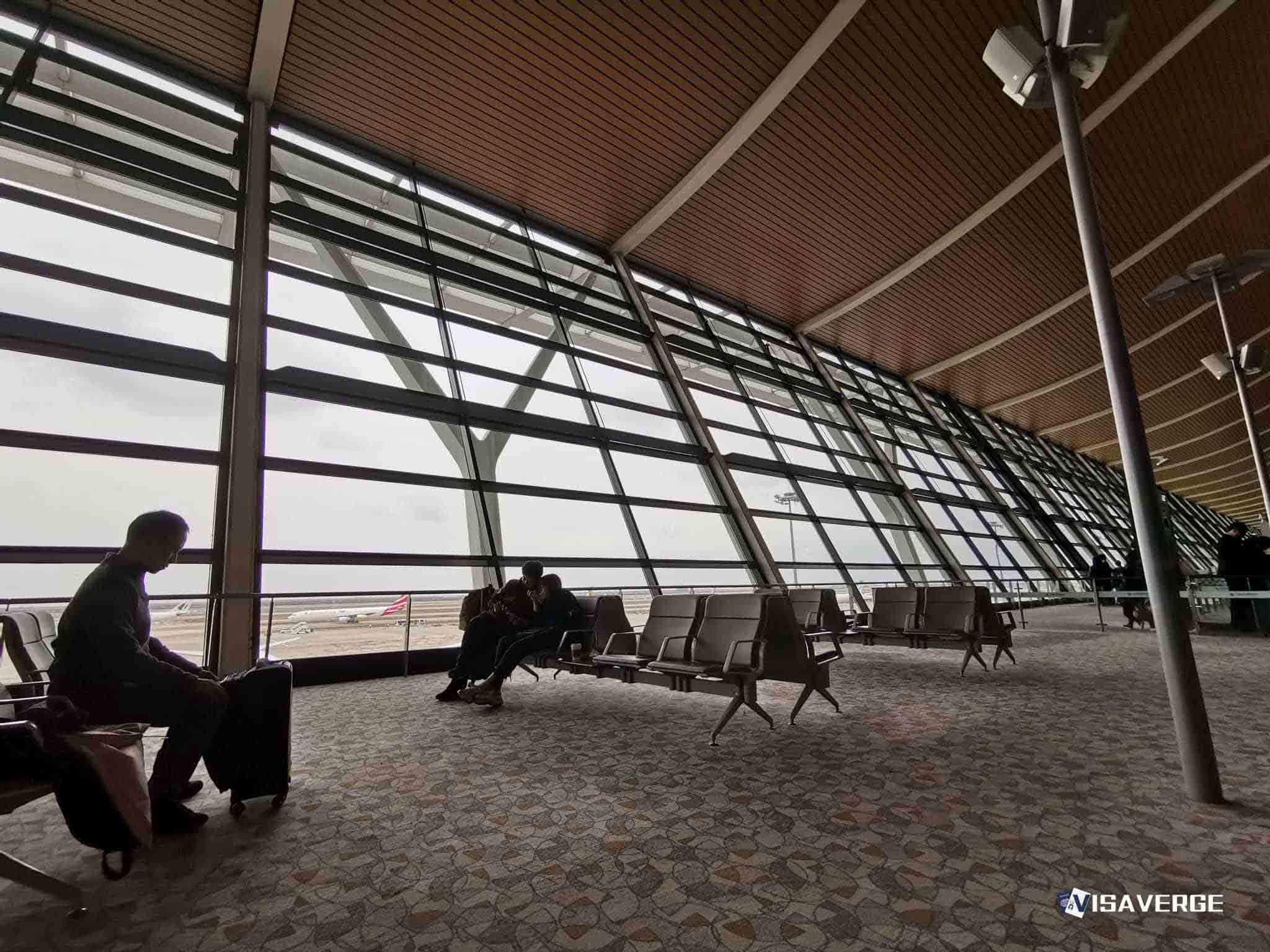
(DENVER, COLORADO, USA) A brief but disruptive FAA ground stop hit Denver International Airport on Friday morning as high winds pushed through the Front Range, freezing the steady rhythm of arrivals and departures at one of the United States 🇺🇸 busiest hubs and leaving many travelers—especially those with tight international connections—scrambling to rebook, find child care, or explain missed appointments tied to immigration deadlines.
What happened and why
Local reports said the Federal Aviation Administration ordered the ground stop because hazardous gusts made conditions unsafe for aircraft to land and depart. The initial bulletin, according to local reporting, put the restriction in place Friday morning and listed it as running until about 9:00 a.m. local time. Travelers, however, said the ripple effects lasted far longer than the official window as airlines worked to reset crews and aircraft.

Flight-tracking data and local coverage pointed to a fast-growing pileup. FlightAware data cited in local reports showed hundreds of delays, and one set of figures repeated across local outlets described 365 delays and 12 cancellations at one point during the wind event.
Even when a ground stop is short, delays can cascade: incoming planes are held at departure airports, gates fill up, and outbound flights wait for aircraft and crews that are out of position.
Broader weather impacts
The wind event was not just an airport problem. Local reporting described a broader stretch of severe weather concerns across the Front Range, including:
- High-wind warnings
- Elevated wildfire risk in nearby foothill counties
For aviation, those conditions can complicate operations in multiple ways:
- Aircraft may need extra spacing on approach.
- Ground crews face safety limits around equipment.
- Airlines may pause certain operations until gusts ease.
Who was most affected
Denver’s role as an international gateway made the disruption more than an inconvenience for many passengers. The effects included:
- Overseas arrivals missing onward domestic connections to places without easy same-day alternatives.
- Families arriving with children after long-haul trips stuck landside for hours.
- Students missing move-in windows or class obligations after school breaks.
- Travelers losing prepaid hotel nights, tours, or event tickets due to missed connections.
Immigration-linked travel was particularly sensitive. People traveling for:
- visa appointments at U.S. consulates,
- medical exams tied to immigrant visa processing,
- time-limited enrollment check-ins for school programs,
- oath ceremonies or court dates,
often plan schedules down to the hour. A delay does not change the law, but it can change the real-world ability to comply with deadlines—especially when backup options require days rather than hours.
Airline responses and passenger experience
Airlines typically rebook passengers automatically when weather drives disruptions, but automatic rebooking can be messy in practice. Common passenger experiences included:
- Reroutes through other hubs
- Companions split across different flights
- Placement on standby
For non-U.S. citizens, these outcomes can raise extra worries:
- Where to spend the night
- What documents to keep on hand while plans shift
- Difficulty using hotel vouchers if luggage is checked through to an unreachable final destination
Where to check for official status
The FAA’s most authoritative public tracker for these restrictions is its National Airspace System status page, which lists active ground stops and delay programs as conditions change. Travelers and families trying to confirm whether a restriction remains active can check the FAA’s official page at FAA NAS Status.
Note: Airline apps and airport display boards can lag behind fast-moving air traffic control decisions, so the FAA listing often becomes the anchor source during quickly changing weather.
Strain on airport services
This kind of disruption also strains services important to international arrivals:
- Language assistance lines
- Wheelchair support
- Rebooking desks (which can form long lines)
People who rely on connecting flights to reach smaller cities may face the hardest choices, because the next available seat may not appear until the following day. Consequences can include:
- Unplanned nights in Denver
- Extra transport costs
- Stress communicating delays to employers, schools, or relatives
Analysis and advisories
According to analysis by VisaVerge.com, weather-driven interruptions at major hubs can hit immigrants and visitors harder than many U.S. citizens because they often:
- Travel on fixed schedules tied to legal paperwork, school start dates, or employer onboarding
- Face higher fees or limited availability when changing international tickets
Lawyers often advise clients not to take unnecessary risks close to a hard deadline, but even careful planning can be overtaken by a sudden ground stop when winds rise.
Key takeaway
What made Friday’s situation tense for passengers was the combination of speed and uncertainty: a restriction described as lasting until 9:00 a.m. could still translate into missed connections at noon or later, because aircraft and crews remain scattered. Even after weather eases, the system must “unclog”—arriving flights compete for gates and departing flights wait for their turn to move.
By late morning, travelers were still sharing stories of rebookings and long airport waits as airlines worked through the backlog created by high winds and the FAA ground stop at Denver International Airport—a reminder that, even in a country built around air travel, the safest decision can still be to keep planes on the ground when conditions turn hazardous.
A significant wind event at Denver International Airport led to an FAA-mandated ground stop on Friday morning. The disruption caused hundreds of delays, severely impacting travelers with time-sensitive international connections and immigration-related deadlines. While operations resumed by late morning, the resulting backlog created logistical challenges for airlines and passengers alike. Authorities recommend using the official FAA status page for the most reliable flight information.