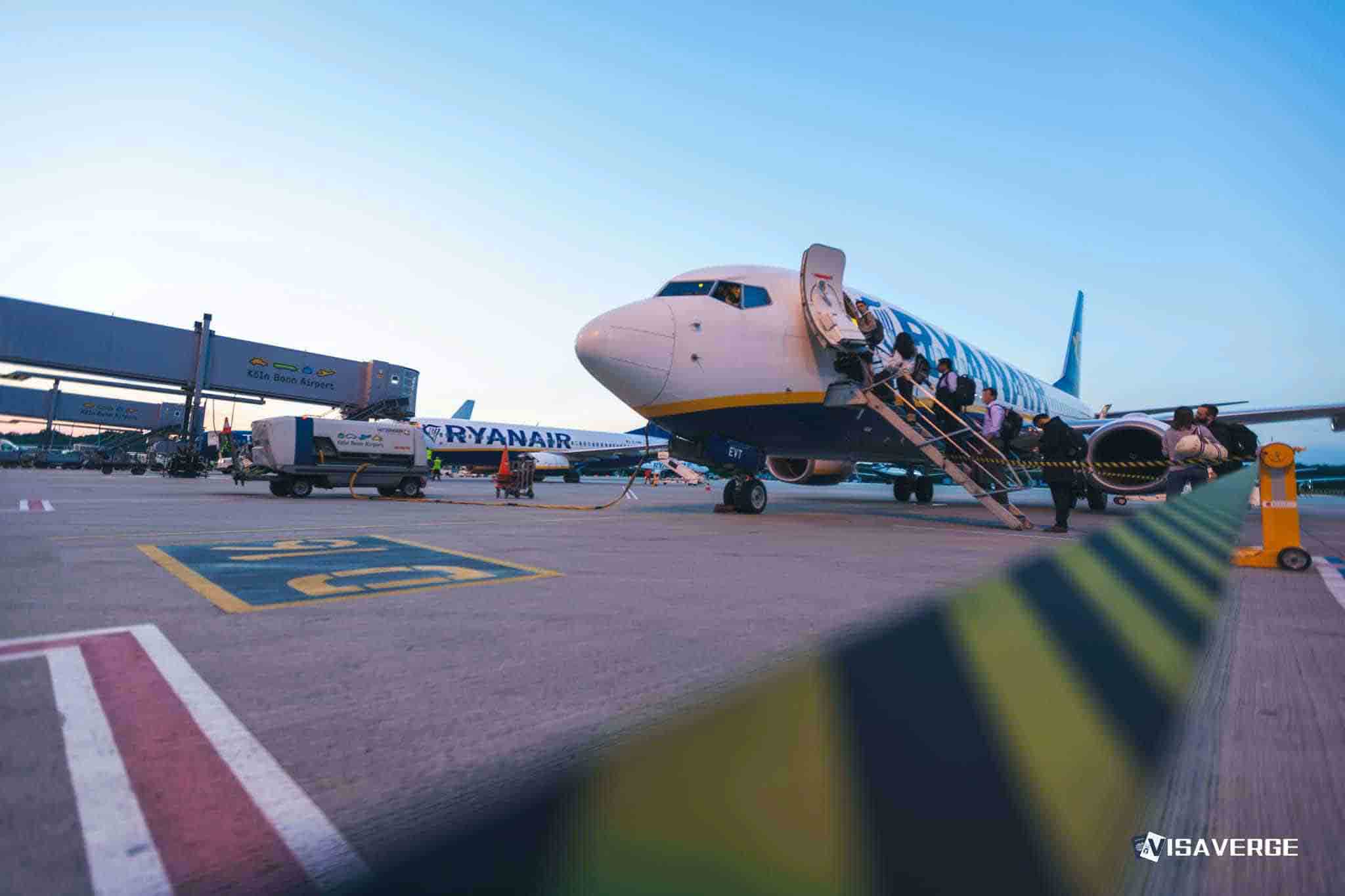
(ABUJA, NIGERIA) West African leaders have agreed to scrap a wide range of airfare taxes and cut passenger and security charges by 25% from January 1, 2026, a move ECOWAS says should bring down some of the highest flight costs on the continent and make it easier for people to move for work and trade across the region.
The decision was adopted by ECOWAS heads of state at their December 2024 summit in Abuja, based on a supplementary act that tells member states to remove air transport taxes that ECOWAS says go against International Civil Aviation Organisation guidelines. ECOWAS officials have long argued that stacked levies and charges add sharply to ticket prices and hold back the bloc’s goals on trade, tourism, and legal cross-border travel.
Policy announcement and rationale
Chris Appiah, the ECOWAS Commission Director of Transport and Telecommunications, confirmed the policy in Abuja briefings and said the bloc would push airlines to work together so the cuts show up in the fares passengers actually pay.
He also pointed to how the burden falls on small traders, with a Lagos-to-Dakar ticket for a trader cited at around $3,000, with taxes making up a large share of the total cost.
ECOWAS has described West Africa’s air travel costs as among the highest in Africa, with some routes priced up to 67% higher than other regions. Airlines and consumer advocates have often blamed a mix of charges—some imposed directly on tickets and others collected at airports—for turning short regional trips into luxury purchases, even when flights are essential for business and family ties.
Why this matters beyond aviation
The policy matters beyond aviation because it touches a basic reality of migration in West Africa: many people move often, and not always with much notice.
When airfare is out of reach:
– Workers may take longer and riskier land routes.
– Traders may cut back on trips.
– Families may delay travel for funerals, weddings, and urgent care.
Lower ticket costs won’t remove border checks or paperwork, but they can change how realistic it is to travel legally and quickly.
Implementation, monitoring, and fiscal concerns
ECOWAS said it plans to monitor compliance by member states, a key point because past regional pledges have sometimes stalled when domestic revenue agencies resist losing income.
The bloc is betting that lower charges will:
– increase demand,
– bring more passengers into the system, and
– help airports and governments collect revenue through higher volumes rather than high add-ons.
Important: The effectiveness of the policy depends on uniform implementation and whether member states and airports actually adjust charges and remit to their budgets accordingly.
Potential effects on airlines and routes
The aviation industry has been quick to frame the change as a boost for regional carriers that struggle to fill seats on thin routes. If fares fall and passenger numbers rise, airlines could:
– add frequencies,
– open routes that are now hard to run year-round, and
– make short-term work travel feasible without forcing long stays away from home.
That, in turn, can affect migration patterns in a practical way: more reliable flights can widen job searches, speed up recruitment, and support short-term contract travel.
Industry response and a contested claim
Still, one claim circulating in online searches does not match the public record: despite headlines suggesting “AFRAA applauds abolition of airfare taxes across West Africa,” the provided material says there is no evidence in recent reports that AFRAA (the African Airlines Association) issued a statement praising ECOWAS for this decision.
Coverage cited in the source material links the policy to ECOWAS decisions and briefings, but not to an AFRAA endorsement, including reports dated as late as December 15, 2025.
This gap matters because AFRAA often acts as a voice for airline operators. A public endorsement could have signaled early industry buy-in or outlined what airlines want in return (for example, lower airport fees or clearer rules for regional partnerships). For now, based on the provided content, the policy is best described as an ECOWAS-driven move, with the industry response not yet documented in the same reports.
What travelers and traders should watch
People who cross borders for business are likely to watch whether the tax cuts reach the ticket counter. On many West African routes, a base fare can look reasonable until a long list of charges pushes the total far beyond what a worker or market trader can pay.
If member states remove the targeted airfare taxes and airports adjust passenger and security charges in line with the ECOWAS plan, potential outcomes include:
– More travelers able to fly for job interviews, short contracts, or sales trips and return home quickly.
– Reduced reliance on slower or riskier land routes.
– Greater practical use of ECOWAS free-movement rights.
Link to ECOWAS mobility rules
There is also a link to the region’s bigger free-movement promise. ECOWAS citizens already have rights under regional rules to travel within the bloc, and the policy pitch in Abuja tied cheaper travel to mobility and trade.
For readers who want the official starting point on ECOWAS mobility rules, the ECOWAS Commission posts core material and updates at its official site, ECOWAS.
Remaining practical barriers
Even with lower fares, travelers will still face the day-to-day issues that shape migration in practice:
– document checks,
– differing airport procedures, and
– variable enforcement by border officers.
ECOWAS has not, in the provided material, said that the tax change will alter entry rules or identity requirements. What it has said is that cost itself has become a barrier, and it wants to remove taxes it sees as out of step with international guidance.
Airline pricing decisions and possible outcomes
Airlines will need to decide how to price routes once taxes fall. Appiah said the bloc wants airline collaboration to help push savings through to customers. Possible airline strategies include:
– code-sharing,
– coordinated schedules, and
– joint marketing.
These steps can fill planes and lower per-seat costs without cutting safety. The concern for passengers is that if the cuts are absorbed elsewhere in the system, travelers may see only small changes in final prices.
Analysis and expectations
According to analysis by VisaVerge.com, policies that reduce the cost of legal travel can shift migration decisions in quiet but real ways, especially for short trips tied to work, study, and family duties.
In West Africa, where many people rely on fast cross-border movement to earn a living, airfare taxes can act like a hidden wall even when entry is allowed.
For now, the clock is set for implementation on January 1, 2026, and the main test will be enforcement across member states. If ECOWAS can get uniform compliance, passengers may finally see regional flight prices move closer to what local incomes can support, and the bloc’s promise of easier movement may feel less like words on paper and more like a trip that is actually affordable.
At its December 2024 Abuja summit, ECOWAS decided to eliminate certain air transport taxes and reduce passenger and security charges by 25% effective January 1, 2026. The move aims to lower some of Africa’s highest regional airfares—sometimes 67% above other regions—boost trade and mobility, and encourage airlines to improve route offerings. Implementation hinges on member-state compliance and whether reduced charges translate into lower ticket prices for travelers and traders.