(UNITED STATES) Dulles International Airport, one of the main international gateways to the National Capital Region, is set for its most ambitious expansion in decades under a new master plan that airport officials say will reshape how millions of global travelers enter and leave the 🇺🇸. Immigration lawyers and airlines are already watching closely, saying the project could change the experience for visa holders, refugees, students, and business visitors who rely on Dulles for long‑haul flights.
Master plan adoption and scale of growth
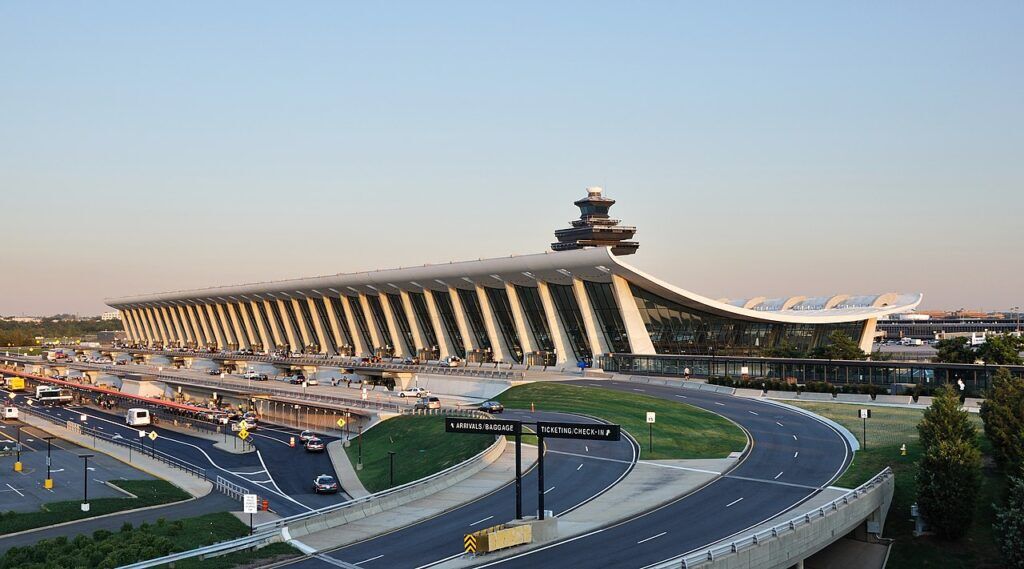
The Metropolitan Washington Airports Authority (MWAA) formally adopted the updated master plan on July 16, 2025, its first major overhaul in 40 years. The plan, designed by architecture firm HOK, adds more than 2.8 million square feet of new space and prepares the airport to handle up to 90 million passengers a year between 2080 and 2090, up from about 27 million in 2025.
Such growth has potential effects on immigration operations, including processing times at Customs and Border Protection (CBP), secondary inspections, and missed‑connection risks for travelers with tight visa interview schedules or onward flights.
Important: These changes could materially affect how immigration rules feel in practice even though federal processes remain the same.
Political context
Although former President Donald Trump has spoken about wanting to make Dulles Airport “really spectacular,” there is no evidence that any Trump administration project is behind the current work. Donald Trump left office in January 2021, and the airport’s transformation is moving forward under President Joe Biden’s administration, driven primarily by MWAA’s long‑range planning and federal environmental review rules rather than White House branding.
Design goals and passenger experience
HOK co‑CEO Susan Klumpp Williams described the design intent:
“Our design will create an exceptional passenger experience while honoring Dulles’ iconic architecture. We’ll deliver a forward‑thinking design that accommodates growth, enhances operational efficiency, and creates a sustainable gateway worthy of our National Capital Region.”
For immigration‑heavy traffic, that “gateway” language is practical: smoother flows in terminals, corridors, and screening areas directly affect how efficiently travelers move through primary and secondary inspections.
Key components of the expansion
- Concourse Tier 2 — the first visible piece: a rebuilt and enlarged concourse adding 22 new international gates to support more long‑haul flights from Europe, Africa, Asia, and Latin America.
- Concourse Tier 3 — planned in a later phase as demand grows.
- United Airlines’ 14‑gate Concourse E — part of the master plan, targeted to open in late 2026, with AeroTrain access and expanded shops and services.
- AeroTrain extension — commitment to extend the AeroTrain to all concourses, potentially replacing aging mobile lounges (the current “people movers”).
- Support infrastructure upgrades:
- new central utility plant
- improved baggage handling
- stronger security processing
- better ramp control systems
- Proposed fifth runway, timing tied to traffic growth.
Why these changes matter for immigration and operations
- More direct international gates can reduce risky connections through third countries that may require transit visas or harsher screening.
- Rail‑based AeroTrain systems can move larger groups more predictably, helping CBP staff manage primary inspection lines more efficiently.
- Back‑of‑house upgrades (baggage, ramp control) affect on‑the‑ground reliability: delayed bags, chaotic gate changes, and long taxi times can jeopardize tight legal timelines for students, temporary workers, or others with narrow visa windows.
Airlines and implementation timeline
United Airlines, as the largest Dulles carrier, is already executing its portion of the build‑out with Concourse E (14 gates) opening late 2026. The broader master plan will roll out in stages over many years, meaning Dulles will remain an active construction site even as it continues to operate.
Economic development: the “aerotropolis” vision
MWAA envisions an “aerotropolis” around Dulles that includes:
- mixed‑use office and retail space
- hotels
- entertainment venues
- light industrial development
Such growth commonly attracts foreign investors, multinational companies, and employers who sponsor workers on H‑1B, L‑1, and other employment‑based visas. Increased connectivity and regional headquarters can drive greater demand for immigration services and consular processing.
Environmental review and community input
MWAA emphasized the project requires a detailed environmental review. Key recent actions:
- August 4, 2025 — public scoping workshop as part of the National Environmental Policy Act (NEPA) process, collecting comments on noise, air quality, traffic, and land use.
- Public comments accepted through August 22, 2025, allowing advocacy groups to raise concerns about displacement, housing pressure, and access to jobs.
Community attendees included workers from immigrant communities who clean planes, load baggage, and staff airport restaurants; they asked about future jobs, housing pressures, and transport links to immigrant‑heavy suburbs in northern Virginia.
Operational perspective and historical context
Inside MWAA, some officials frame the plan in historic terms. Keith Autry, MWAA’s engineering deputy vice president, called adoption of the master plan “really a legacy moment, a proud moment” for the board.
Long‑time Dulles users note that the previous major master plan update was four decades ago — before post‑9/11 security rules, electronic travel authorizations, biometrics, and today’s large international student flows.
How immigration procedures remain and where design helps
Federal entry processes — managed by CBP — will continue to use tools like electronic travel records and facial comparison technology. Official entry procedure information is available at the U.S. Customs and Border Protection website: cbp.gov.
That said, better‑designed halls, clearer signage, and more room for secondary inspection can:
- reduce missed connections
- lower traveler confusion
- help those navigating complex legal timelines
Takeaway
Dulles’ long‑range master plan expansion is intended to transform the airport over decades, balancing increased capacity with operational upgrades and community concerns. Construction will proceed in stages, so travelers will experience both familiar elements (like mobile lounges) and new infrastructure as projects complete.
If MWAA and HOK meet their goals, future arrivals — including students, workers, tourists, and refugees — may find a substantially different first impression of the United States: one shaped by durable planning and infrastructure rather than short‑term political branding.
MWAA’s July 16, 2025 master plan for Dulles adds 2.8 million square feet and new concourses to support long‑haul traffic. Phased projects include a 14‑gate United Concourse E opening late 2026, AeroTrain extension, baggage and security upgrades, and a possible fifth runway. The plan aims to increase capacity toward 90 million annual passengers by 2080–2090, improve passenger flows, and spur regional economic development while undergoing NEPA environmental review and public comment.